
10/10/26
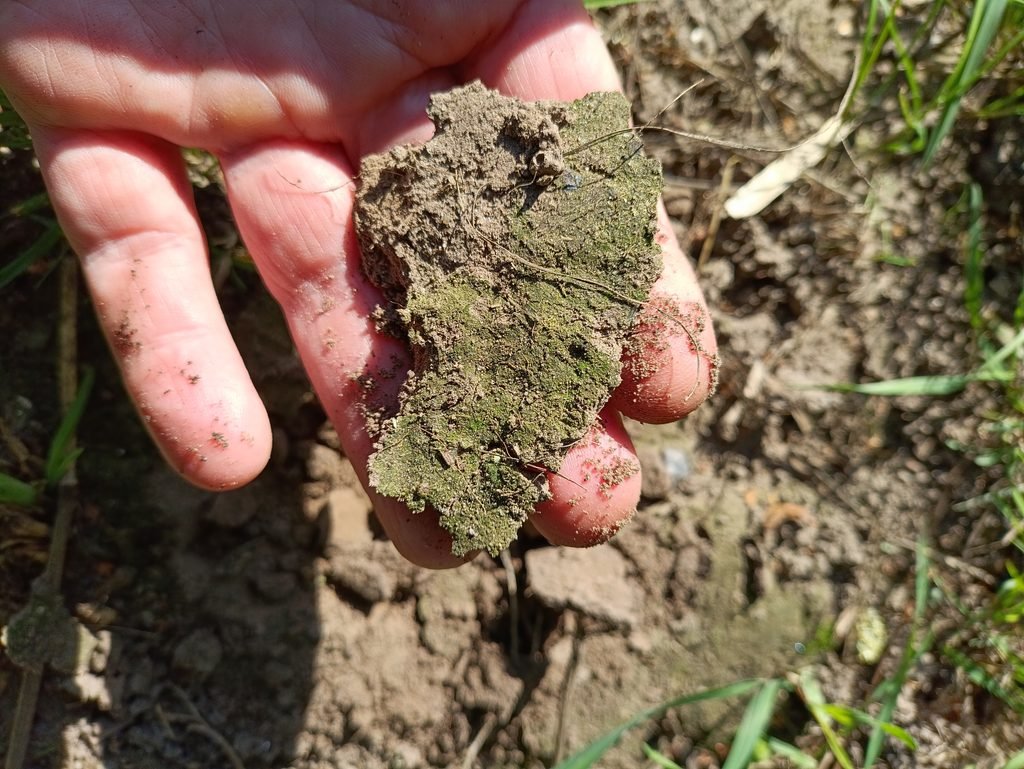
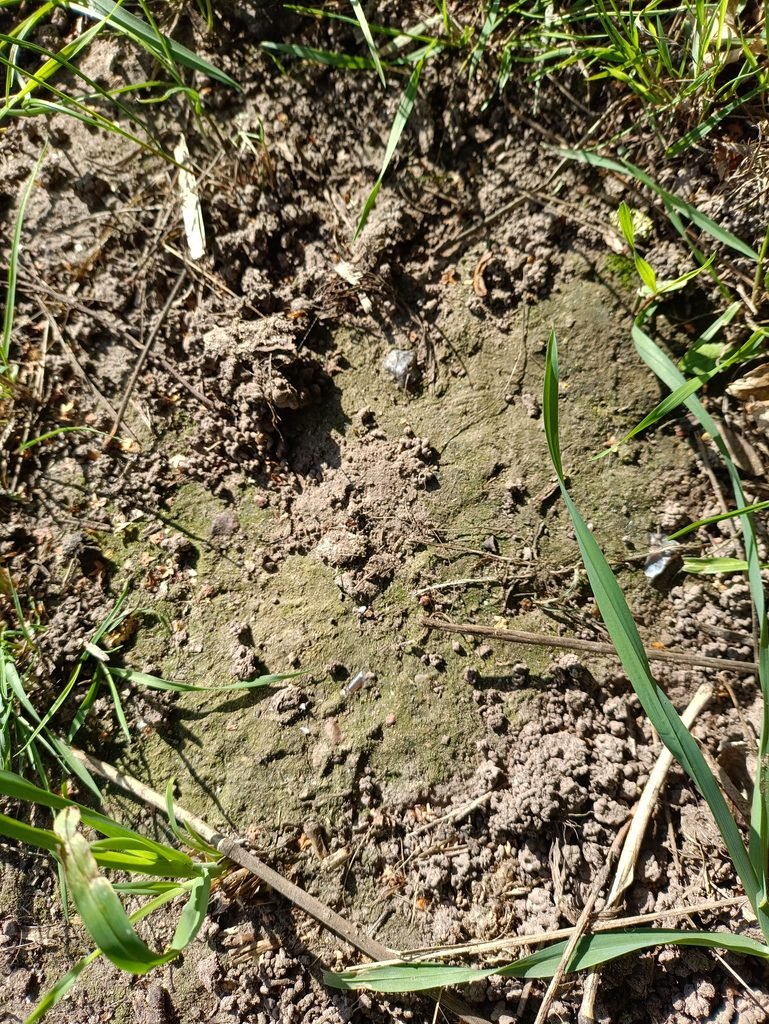
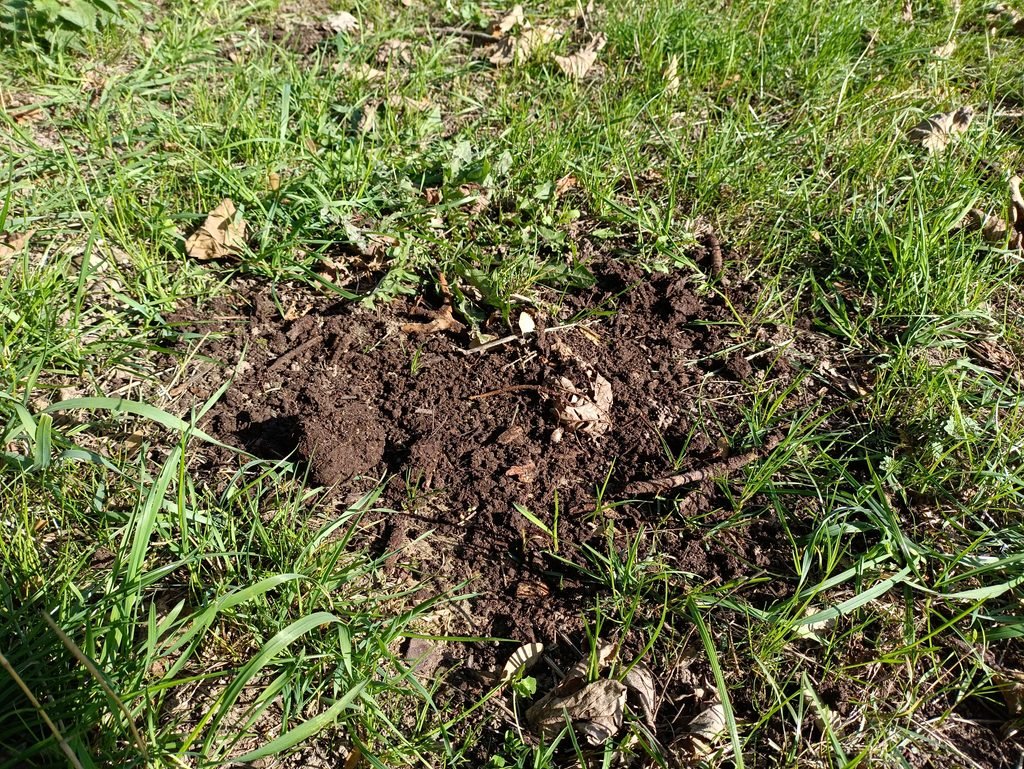
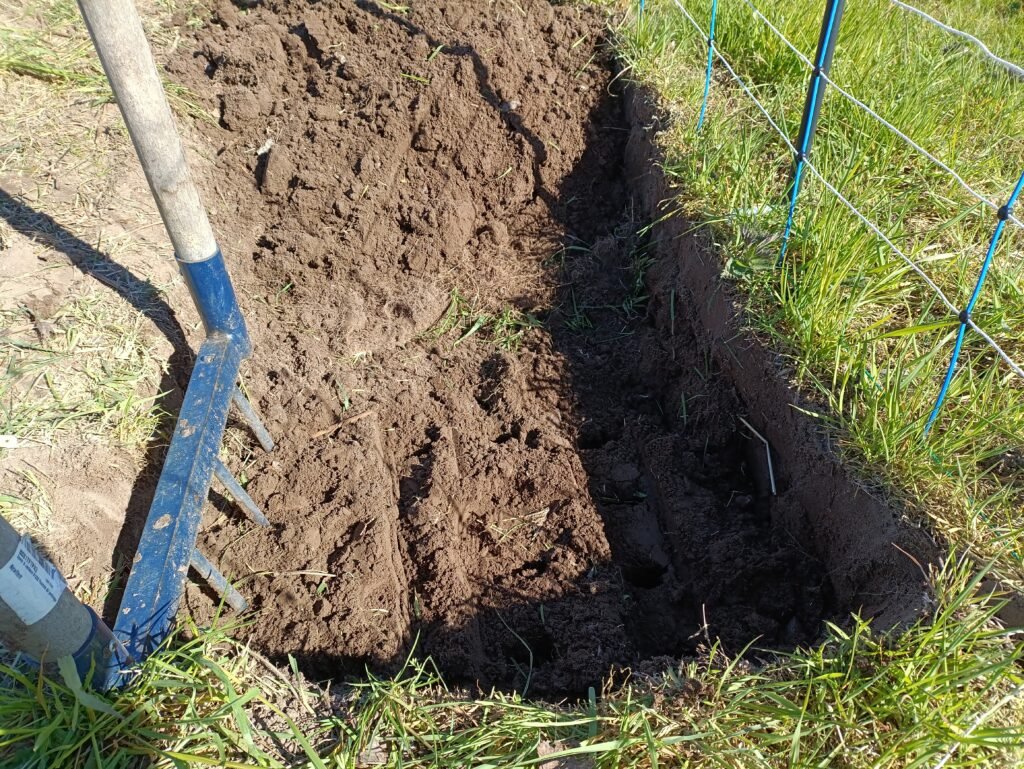
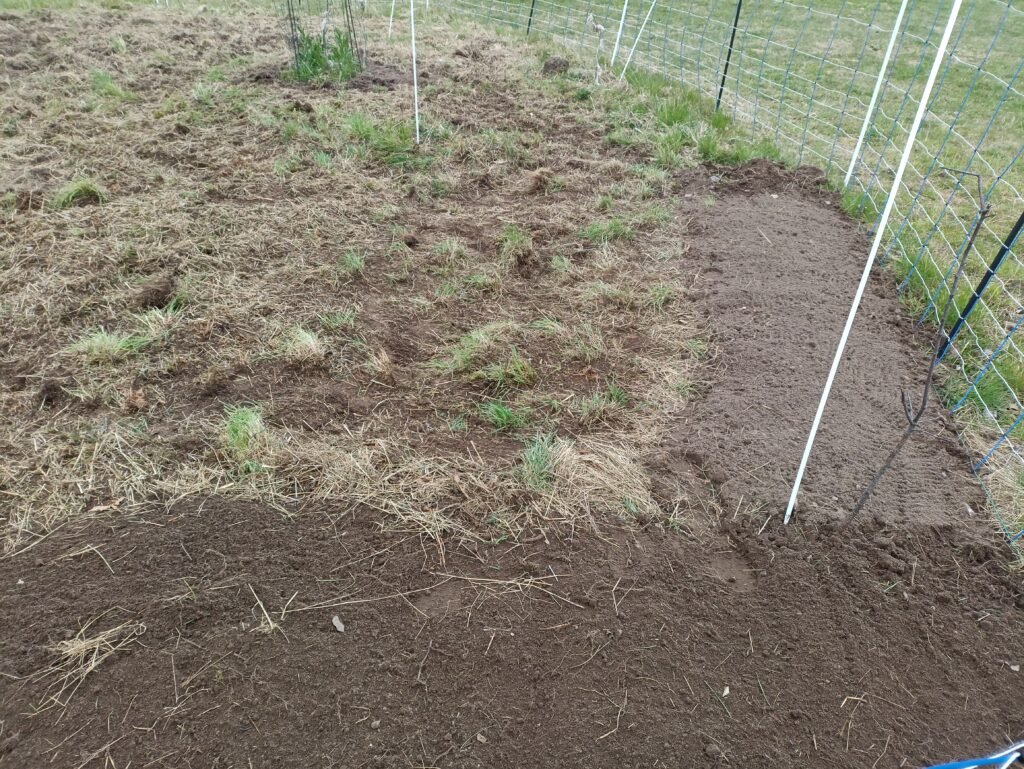
This fall, there are more bare patches than usual on our pasture. Some of them are covered with algae. Apparently, the surface of these patches has hardened to the point that no seeds can germinate there. These patches may form on old molehills or in areas where the grass cover isn’t dense enough. Rain falling directly onto the ground can „break up“ small soil aggregates, allowing the fine particles to penetrate the soil pores. Furthermore, algae and other microorganisms find favorable growing conditions on exposed soil surfaces when the animals graze the grass down low and fertilize the area with their droppings. In addition, there has been plenty of sunshine this year, which has dried out and hardened these areas covered only by a crust.
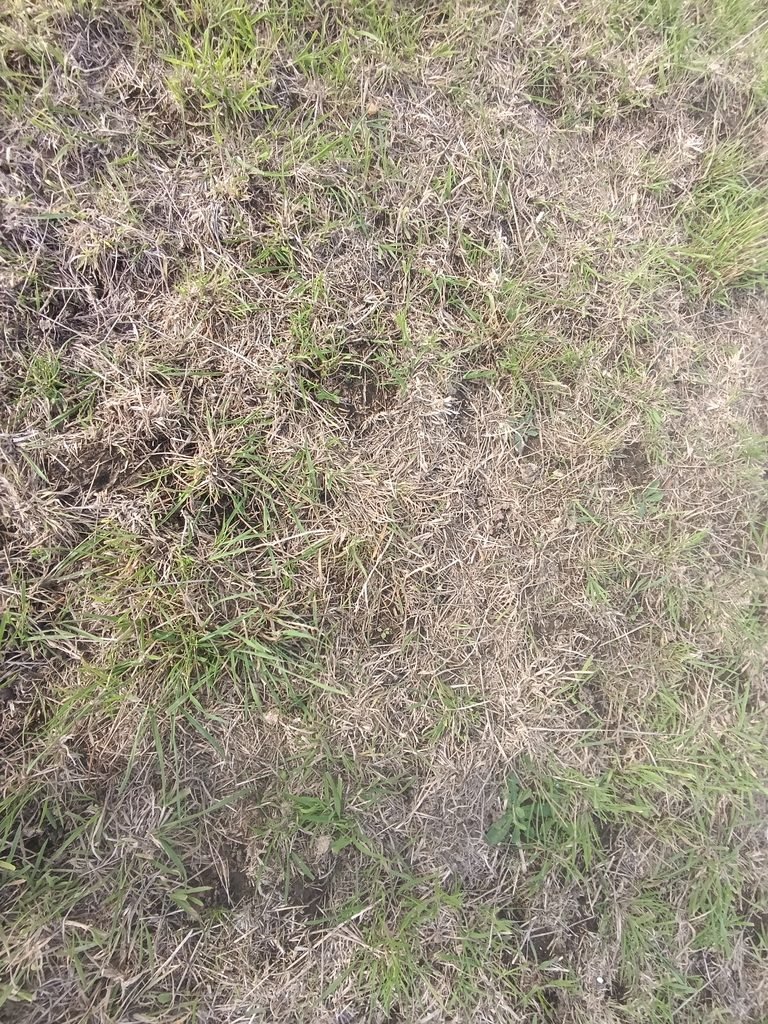
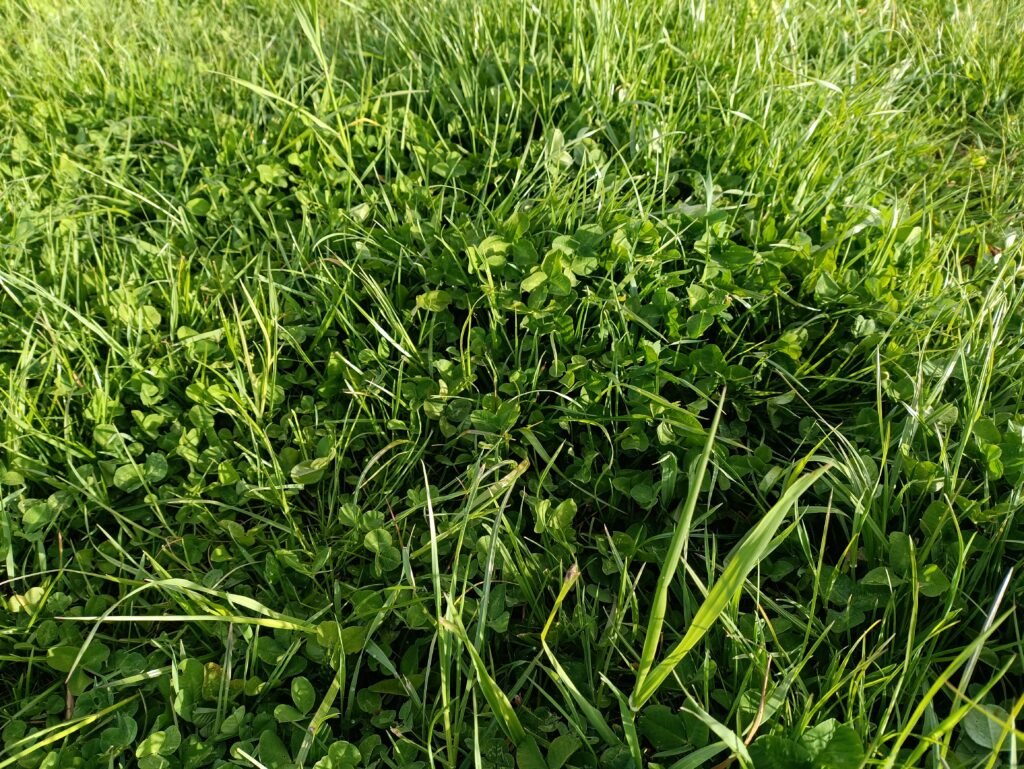
In other areas, the grass has died, but the ground is still covered. In September, I pulled up the grass in a few spots (it came out very easily) and found the larvae of the garden foliage beetle near the roots.
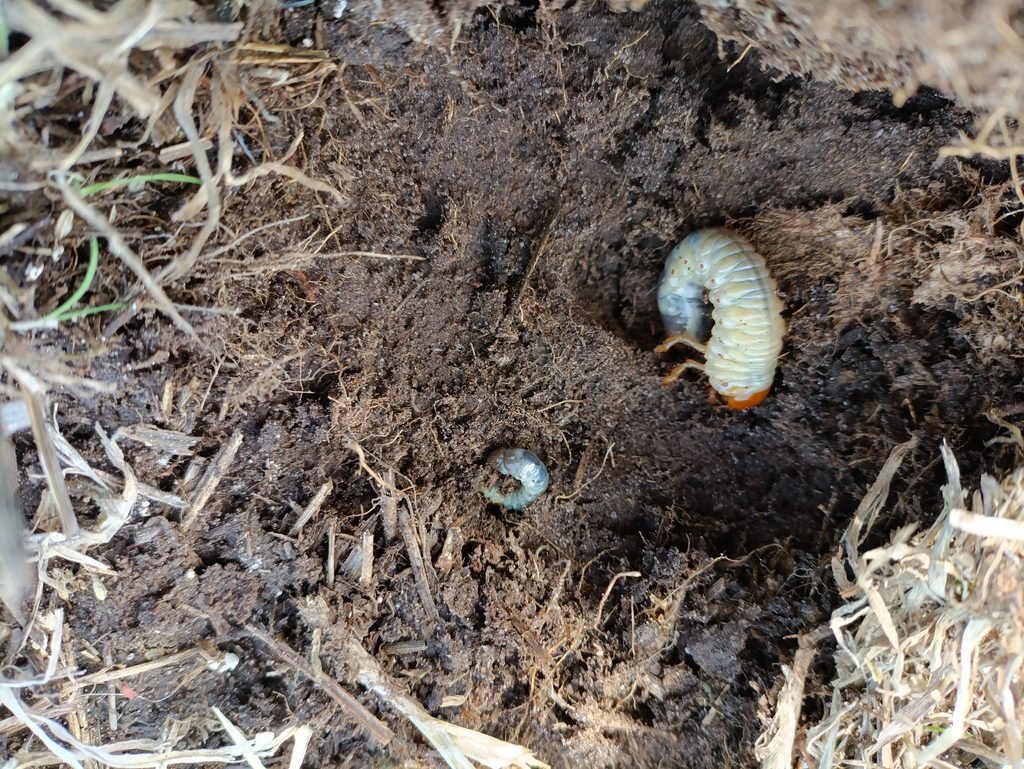
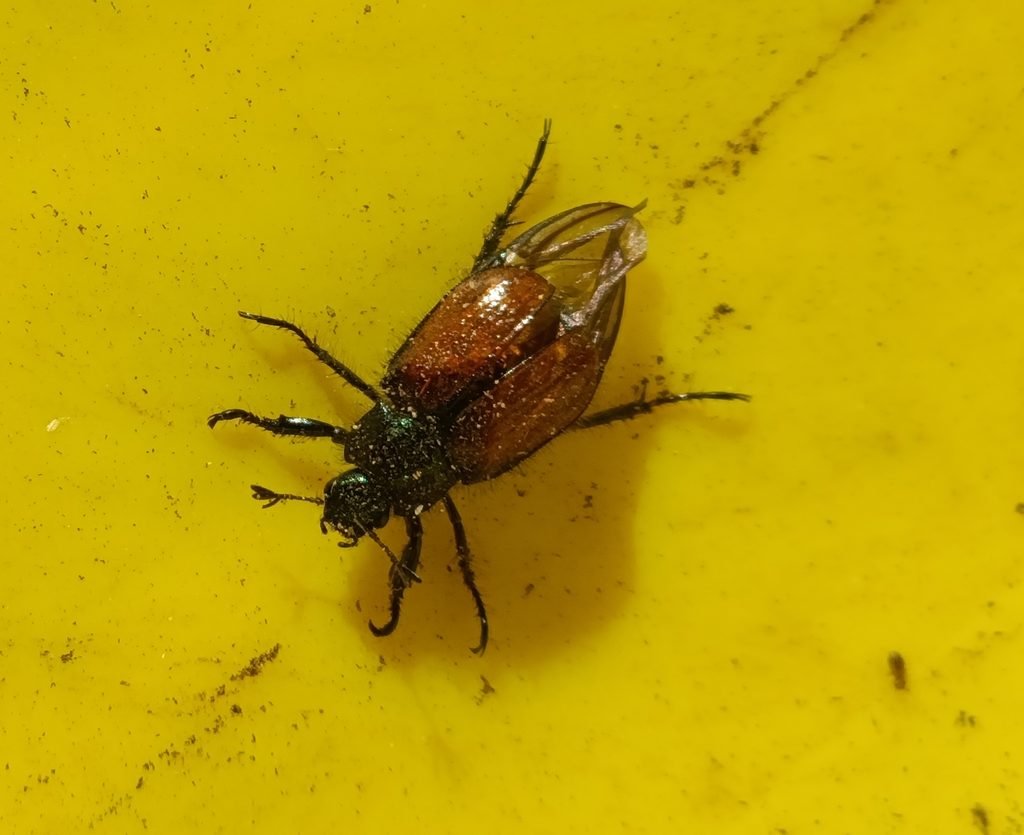
In May, the beetles had swarmed over our pasture and were also found in large numbers in the animals’ water troughs. At that time, I had already tried to identify the beetle using the internet and concluded it was the garden foliage beetle. Given the large number of beetles, I had already feared damage to the grass. Now, in October, the larvae appear to have migrated to deeper layers of soil. Fortunately, the damaged areas aren’t as extensive as the sheer number of beetles would have suggested.
We are currently considering the best way to fill in the gaps in the pasture. In the spring, we could break up the crusts with a weed harrow and level the molehills at the same time. This would certainly also break up the dead grass cover, providing better conditions for the seeds to germinate.
Liming the soil could help reduce algae growth relative to that of grasses, since algae have a competitive advantage over grasses in an acidic environment. We had already begun liming because our soil sample (just one sample) showed a pH of 4.6. This value is significantly below the recommended levels. Liming is also intended to improve the soil’s crumb structure, and grasses can absorb nutrients more effectively at a higher pH level.
With regard to the beetles, it is recommended to avoid overgrazing the areas, especially in May and June. When the grass grows taller, the female beetles have a harder time laying their eggs.
In general, we try to promote soil life by adding organic matter. This should improve soil structure over the long term, make the soil looser, and provide better growing conditions for our pasture plants.
For this reason, we began producing what is known as Johnson-Su compost last year, which is particularly rich in microorganisms. We had actually planned to spread a filtrate made from this compost over the entire pasture this year. Unfortunately, we didn't have enough time to do so.
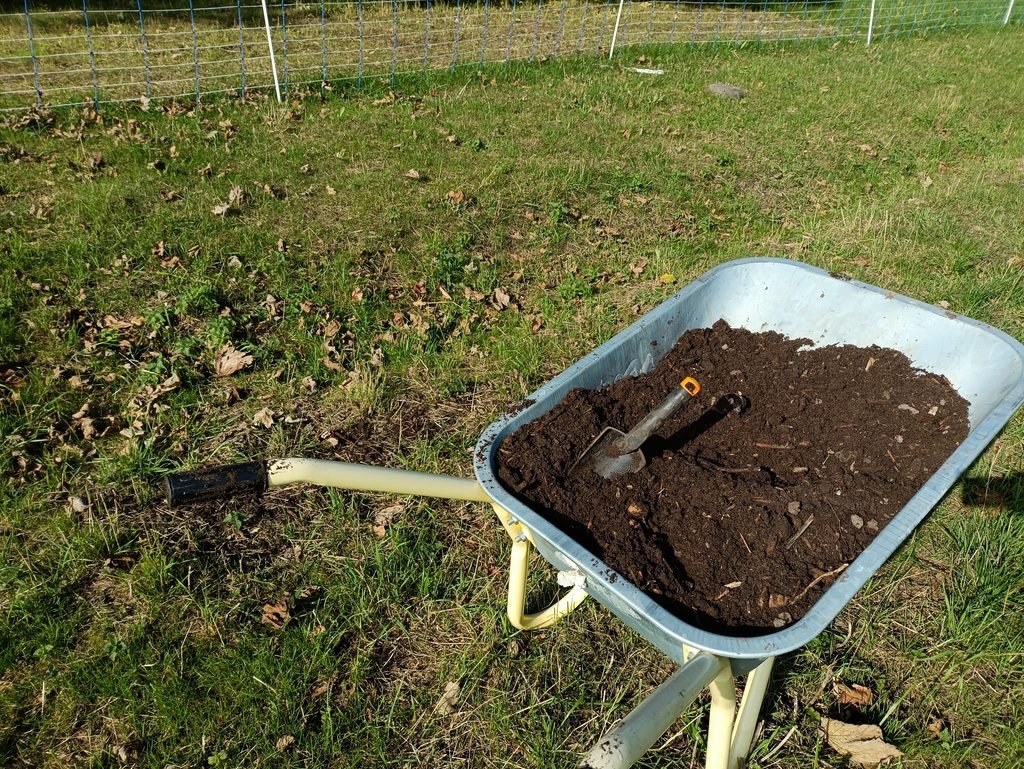
So two weeks ago, I decided on the spot to use a wheelbarrow and shovel to spread the contents of our first Johnson-Su compost bin, focusing mainly on the bare spots in the pasture.
 Deutsch
  Dansk
Dansk  English