
29/9/26
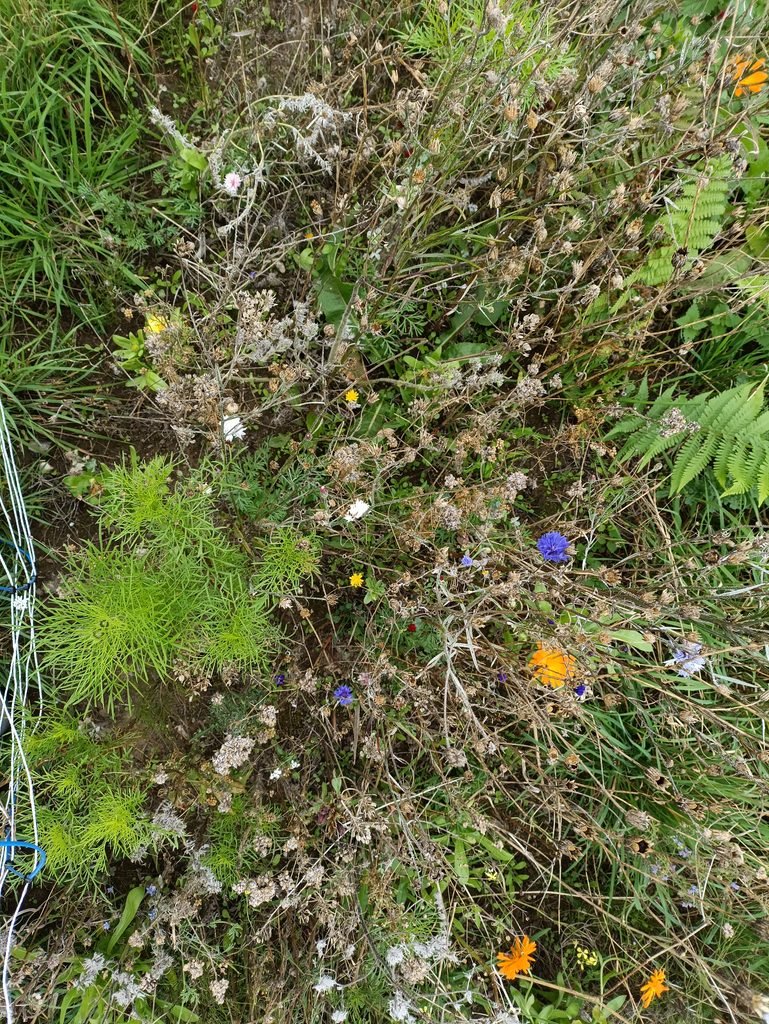
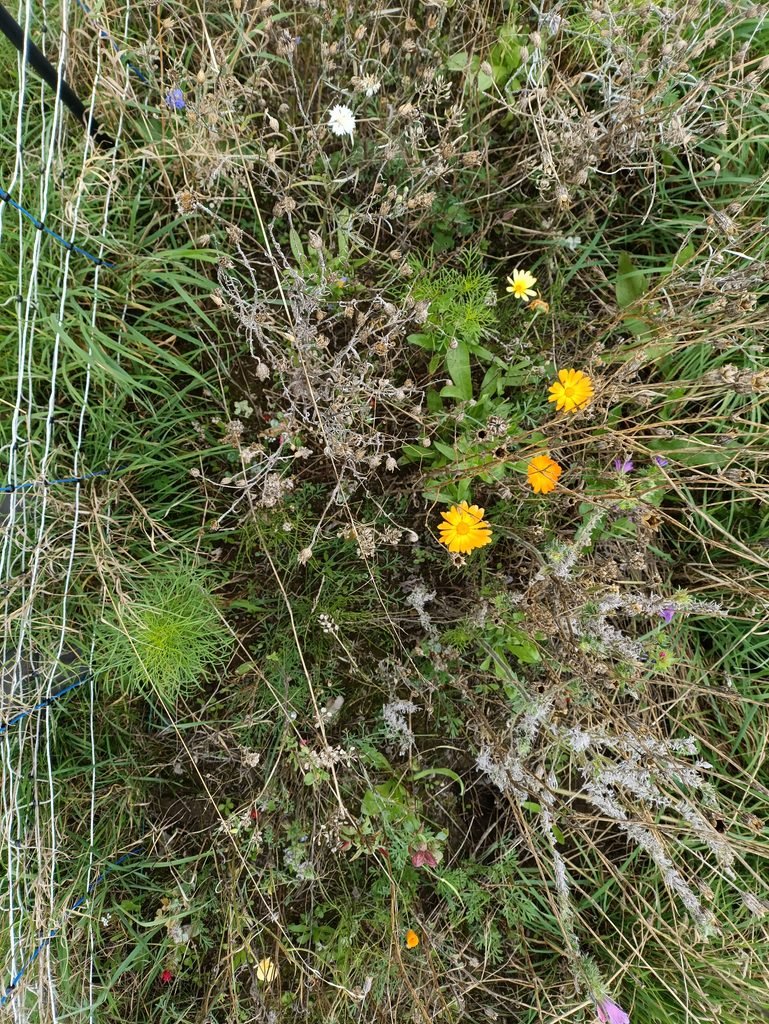
The flowers in the tree circles—which I wrote about sowing in my post from May 13—have taken root well. However, it’s difficult to determine which method was most successful. For one thing, there was a gap of over a month between sowing in the first and the last tree circle. As a result, most of the flowers in the first two tree circles had already finished blooming. Furthermore, it became apparent that the presence of certain plants (particularly noticeable with tansy, but also with the field thistle) suppressed the establishment of other flowers. Overall, the flower mix certainly increased biodiversity, but it wasn’t really representative of the types of flowers that are meant to enrich a pasture. Especially now as fall approaches, the cosmos have taken over—these are ornamental plants in our region and originate from the New World. They’re still lovely to look at, though.
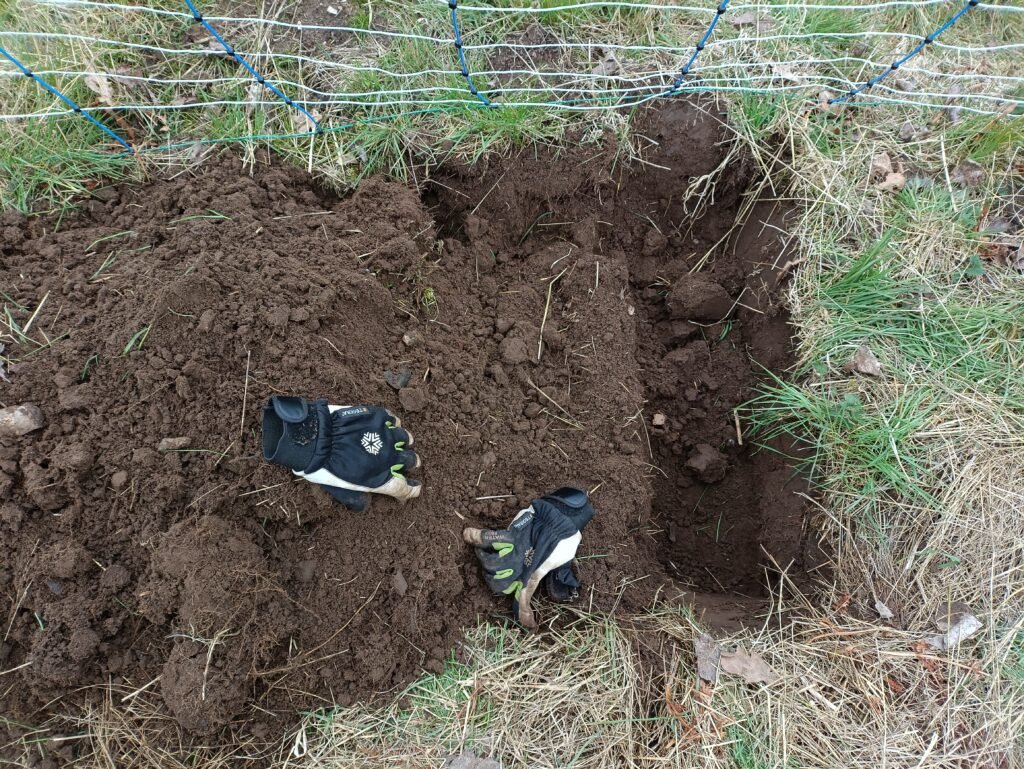
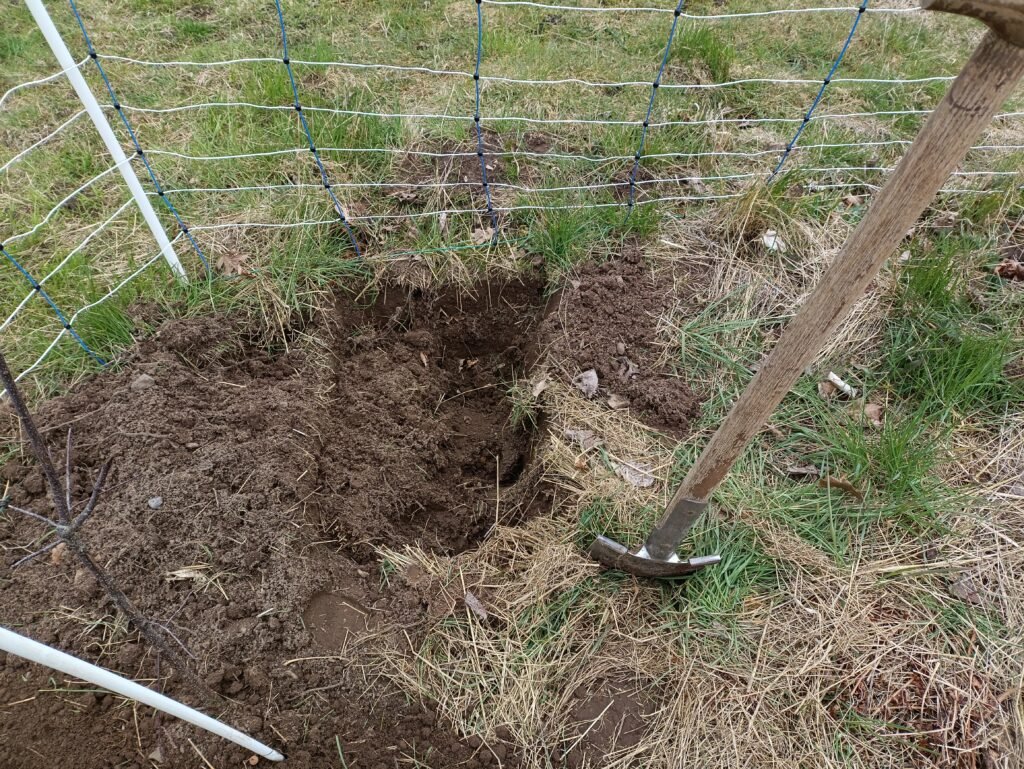
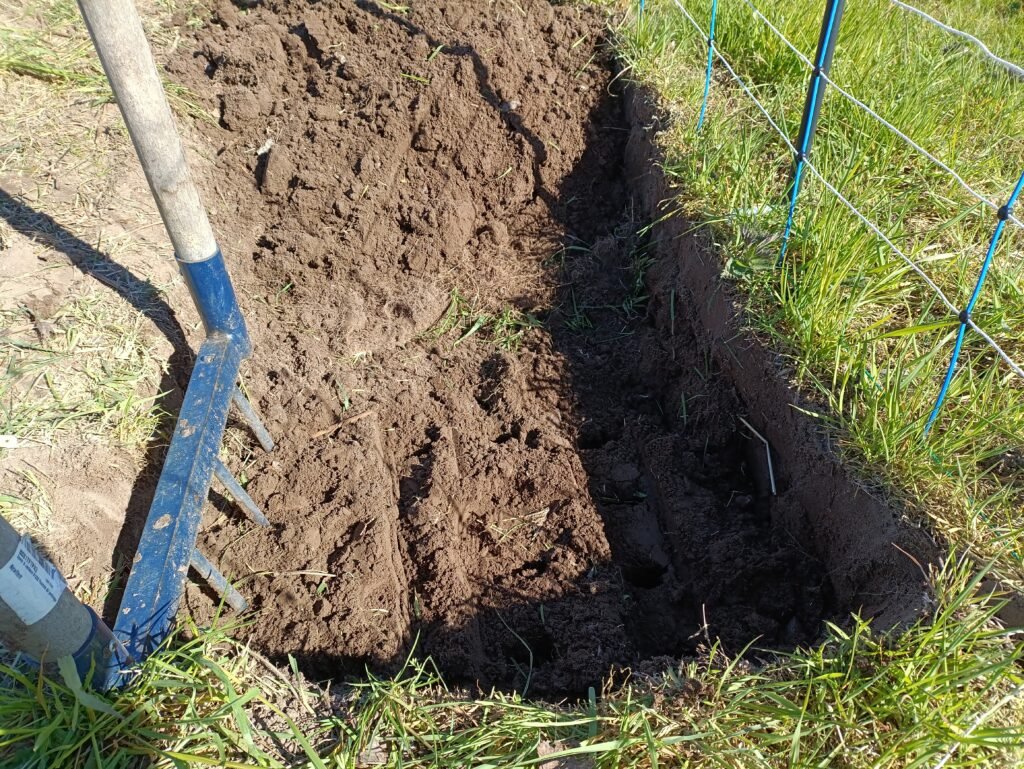
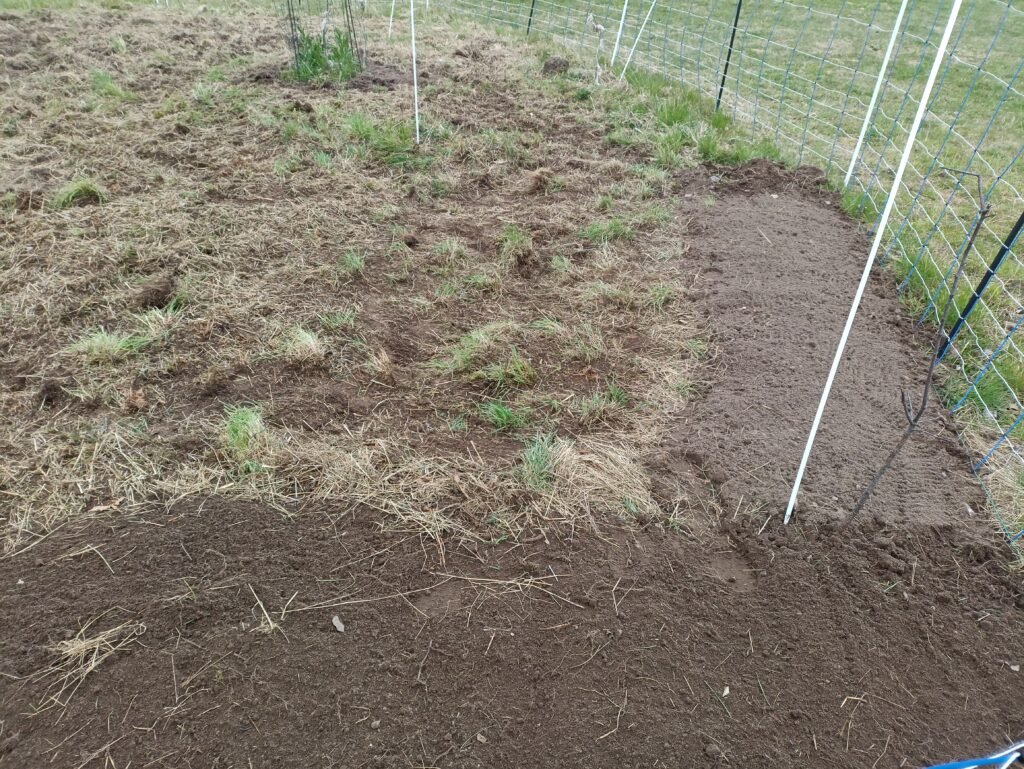
Most of the flowers can be seen in the smallest tree circle I worked on right at the end of May. Here, the soil was dug up to a depth of two spades along the edge before the flower mix was sown. In the center, I also raked the tilled area to remove a large portion of the existing vegetation.
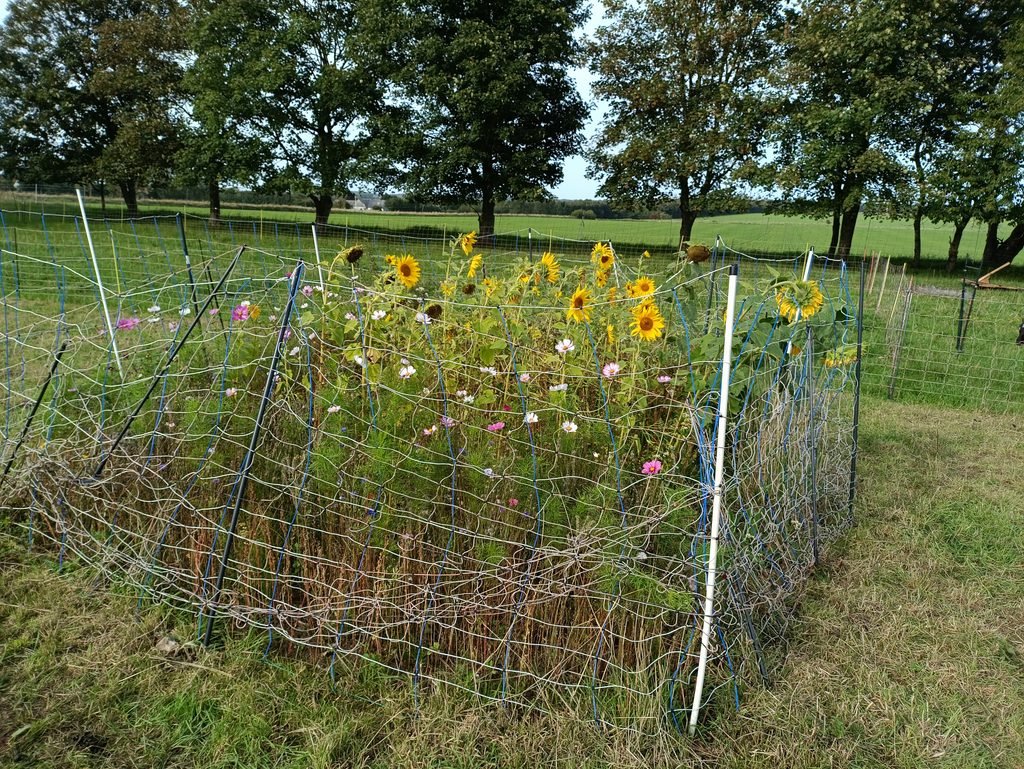
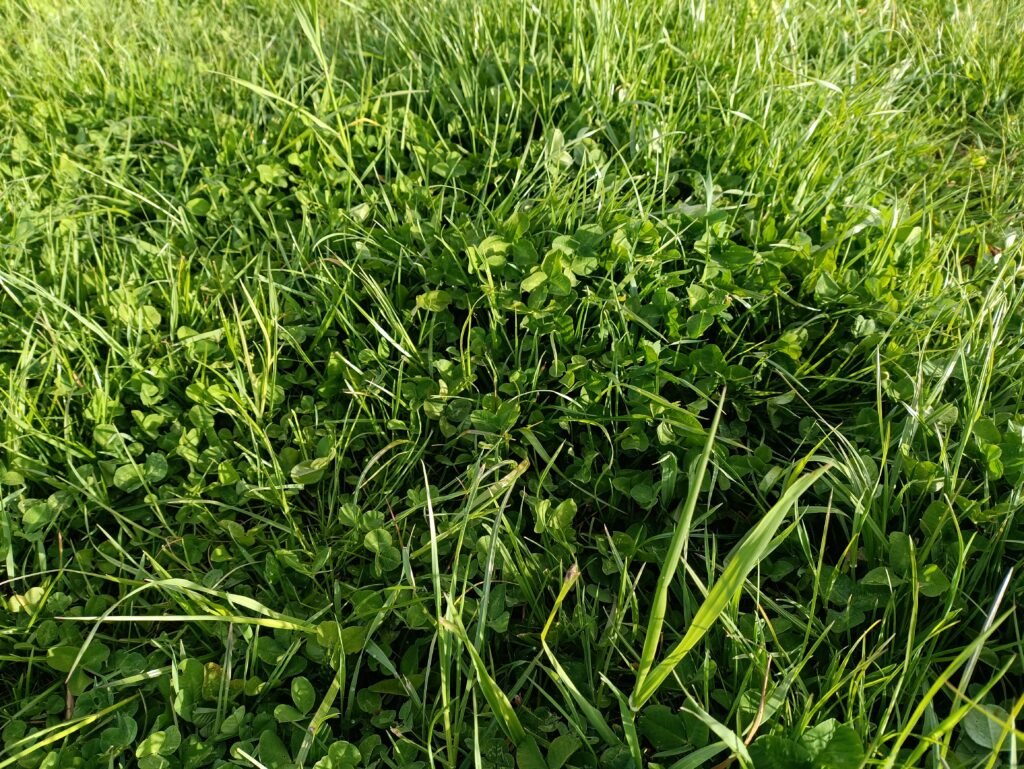
In one tree circle, I had dug up one section to a depth of two and another to a depth of one spade. Even though a direct comparison is possible here, there’s hardly any difference to be seen. In the section dug up to a depth of one spade, there’s a bit more grass and sorrel.
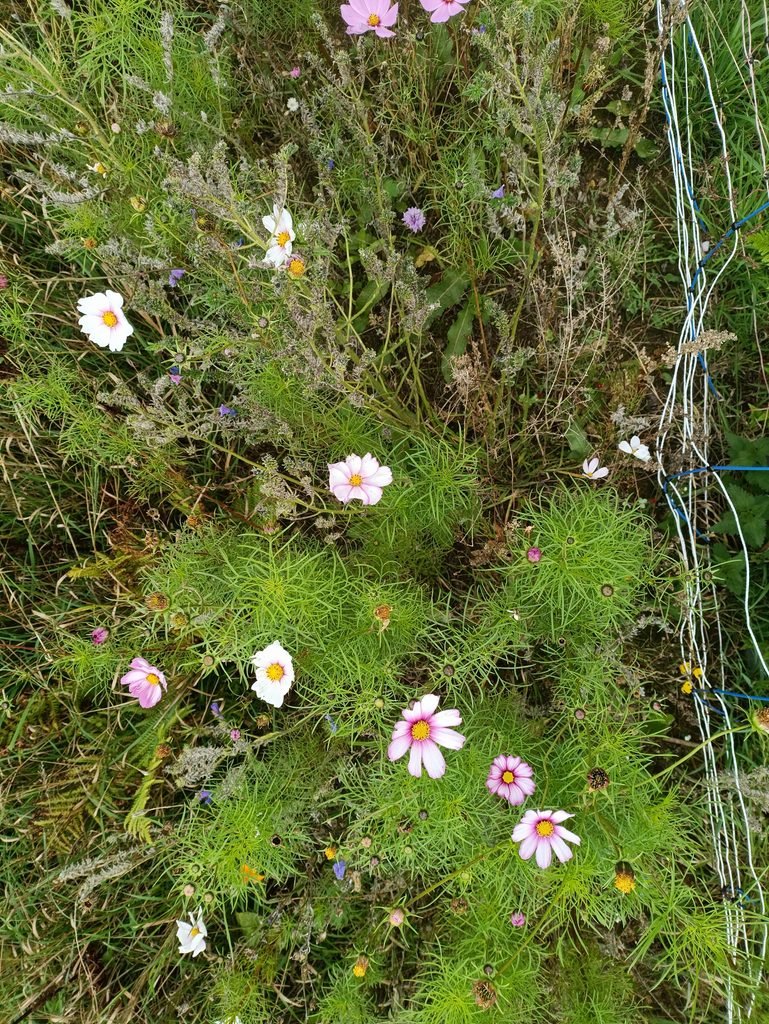
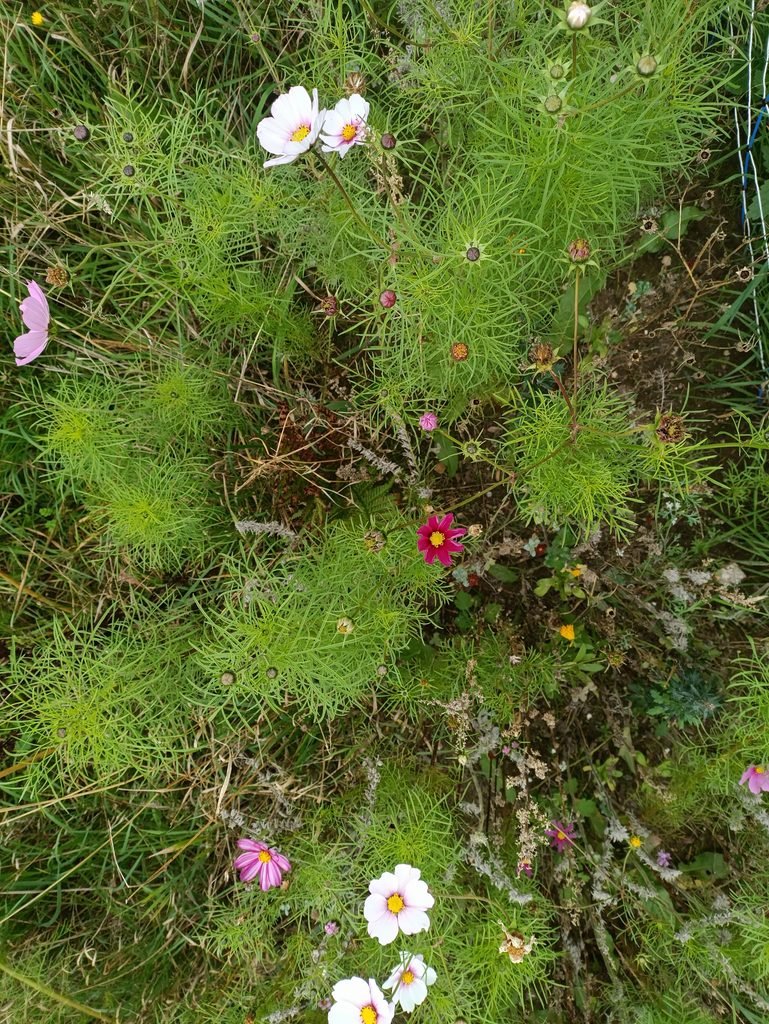
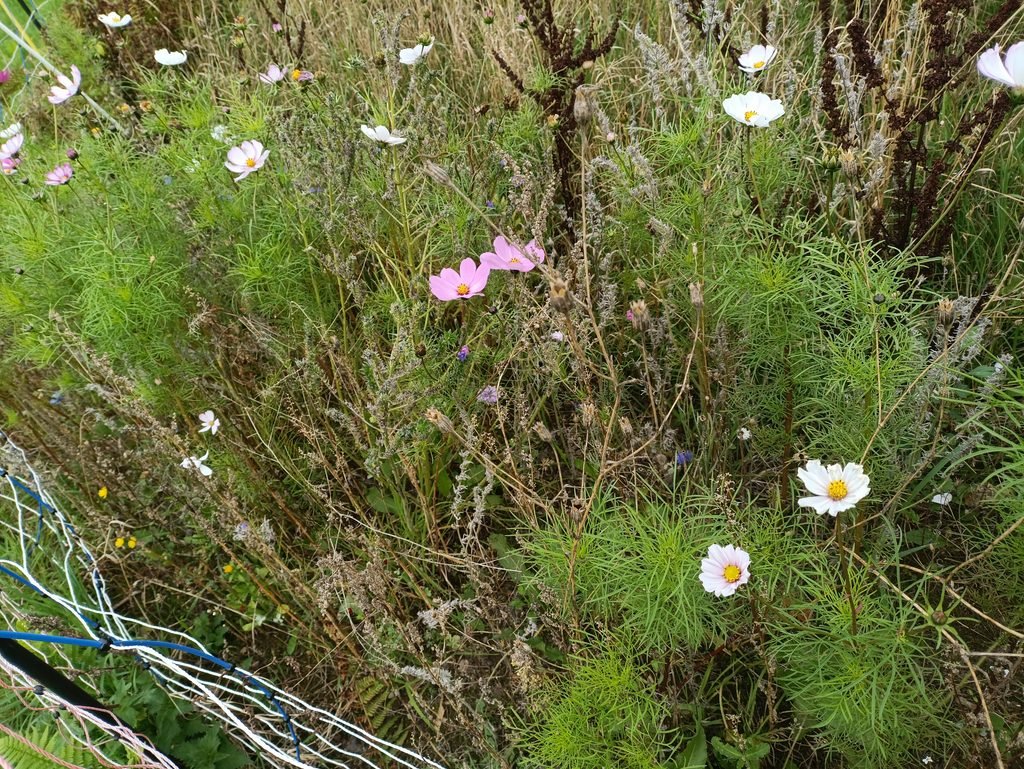
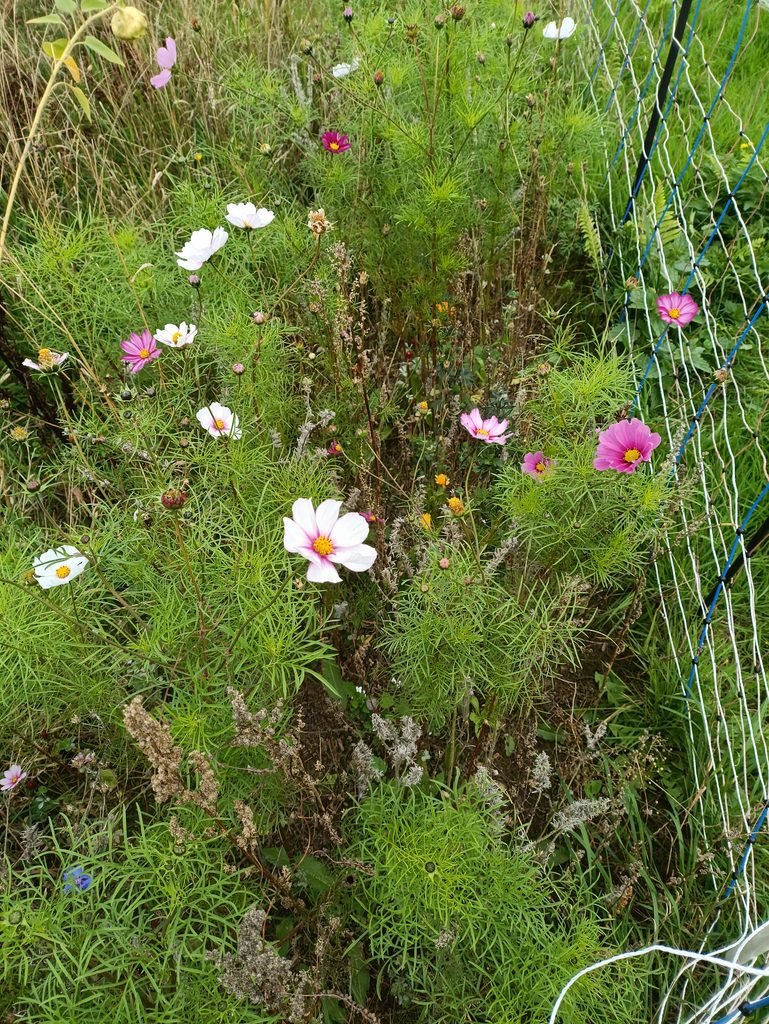
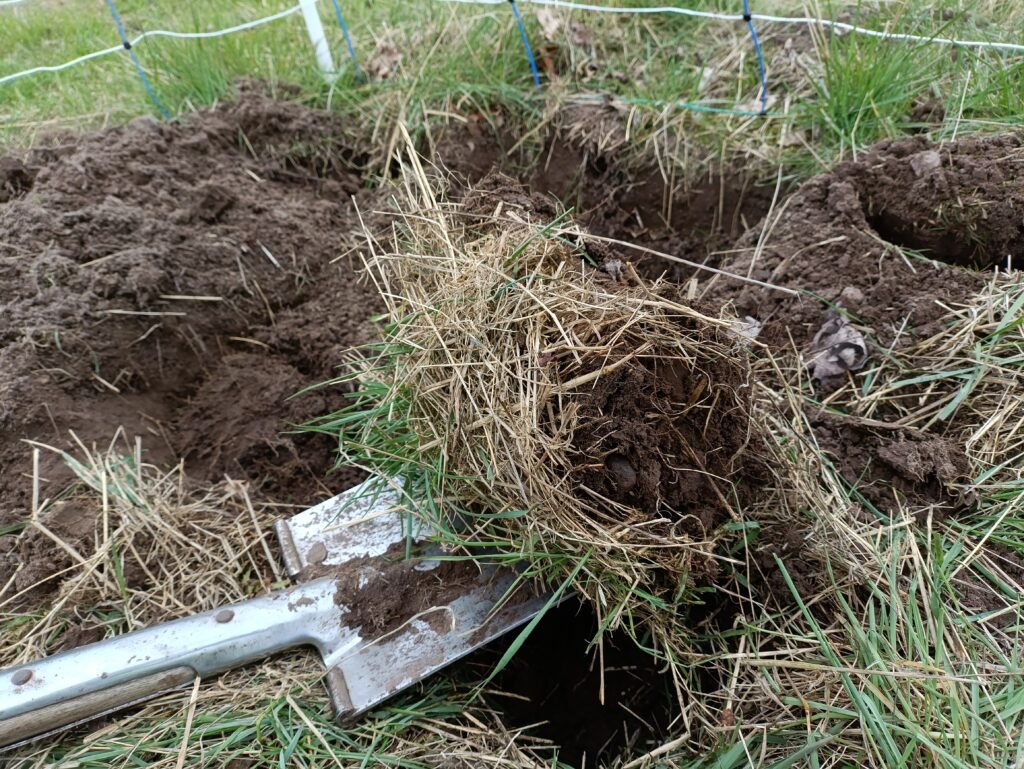
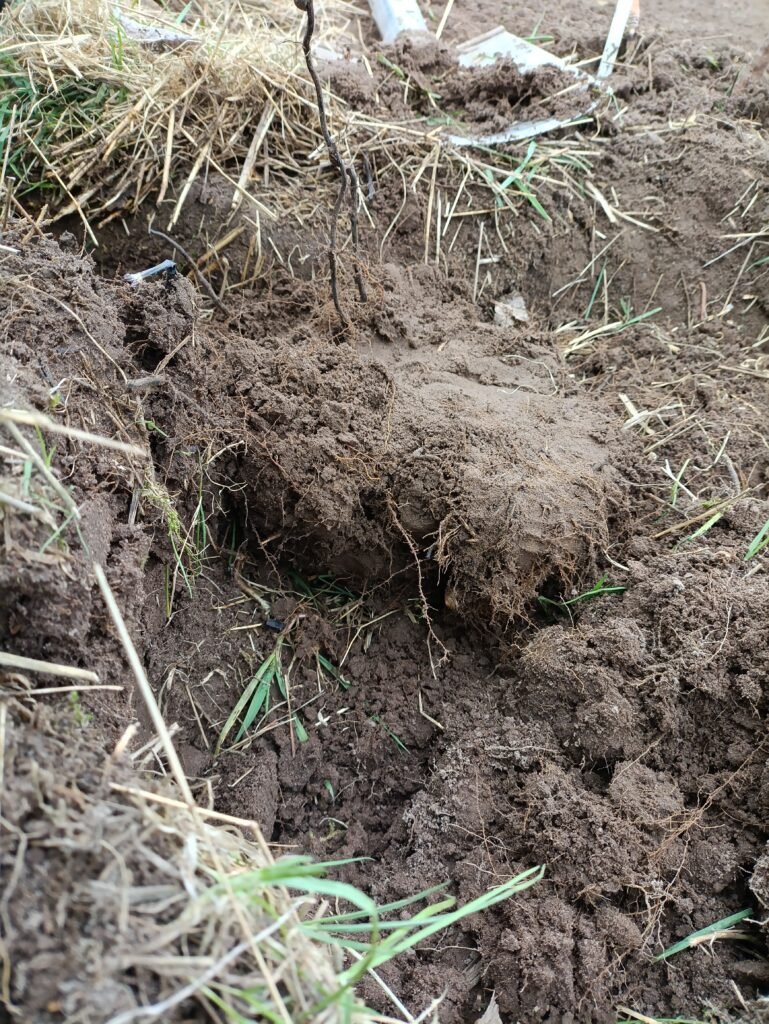
It seems that in the areas where I simply turned over the sod, thistles and other „weeds“ tend to grow a bit more frequently right among the planted flowers. Next year, I’ll be able to observe in which area the annual flowers are best able to self-seed and whether they can hold their own, at least to some extent, against the „weeds“ typical of that location.
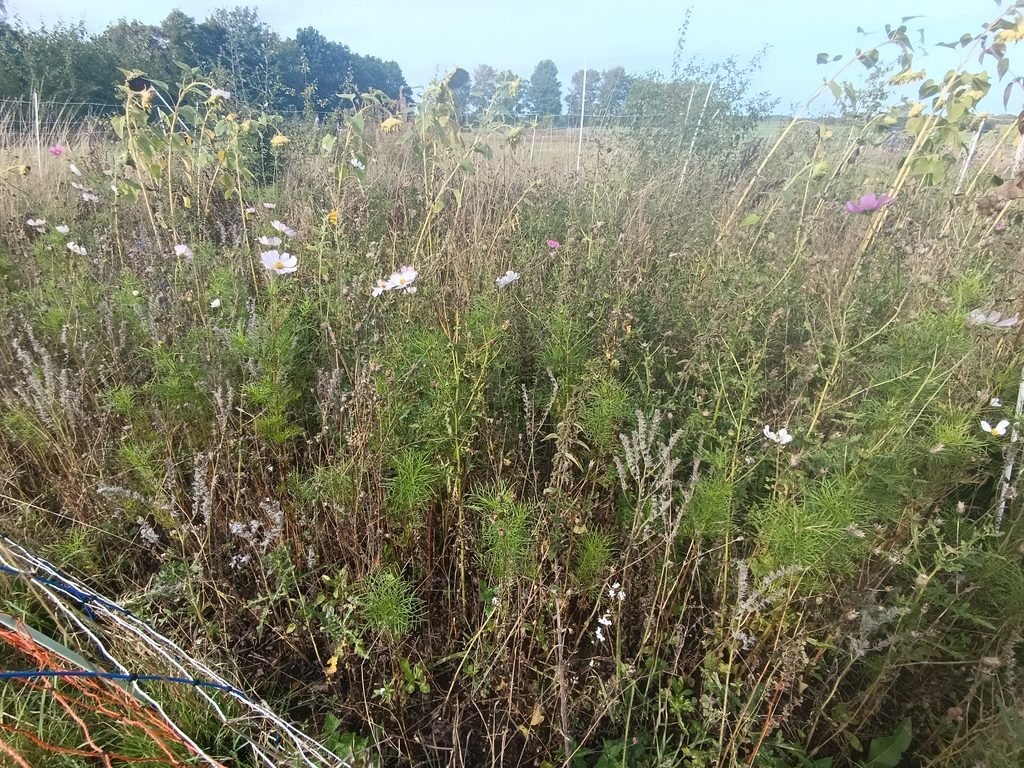
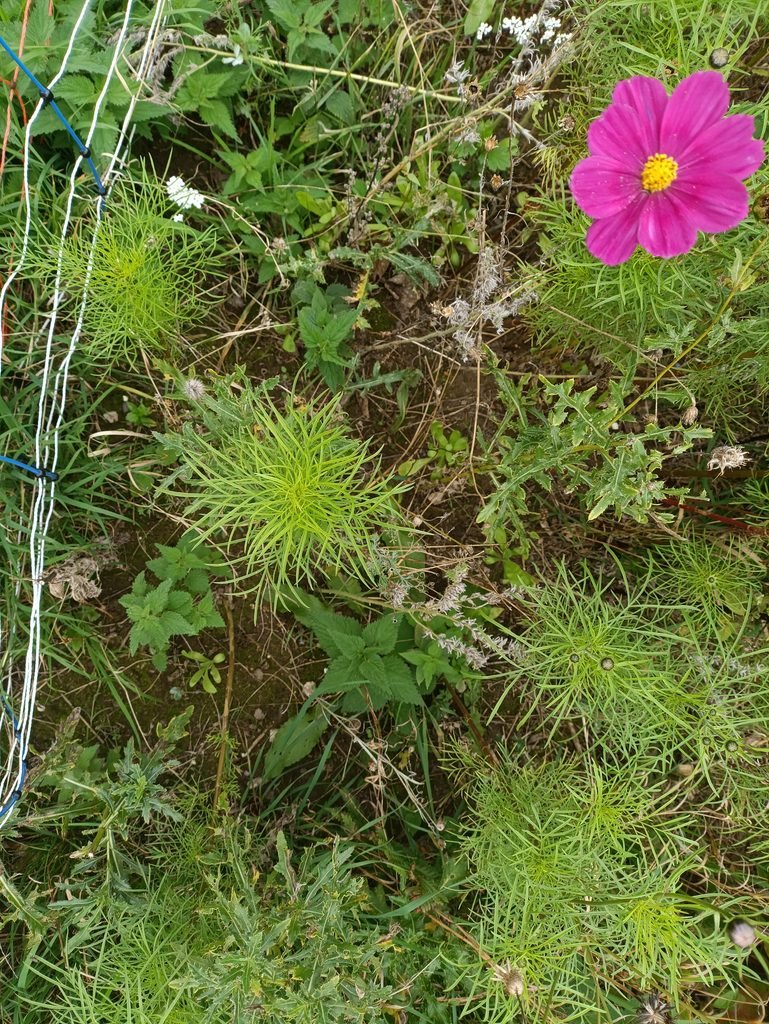
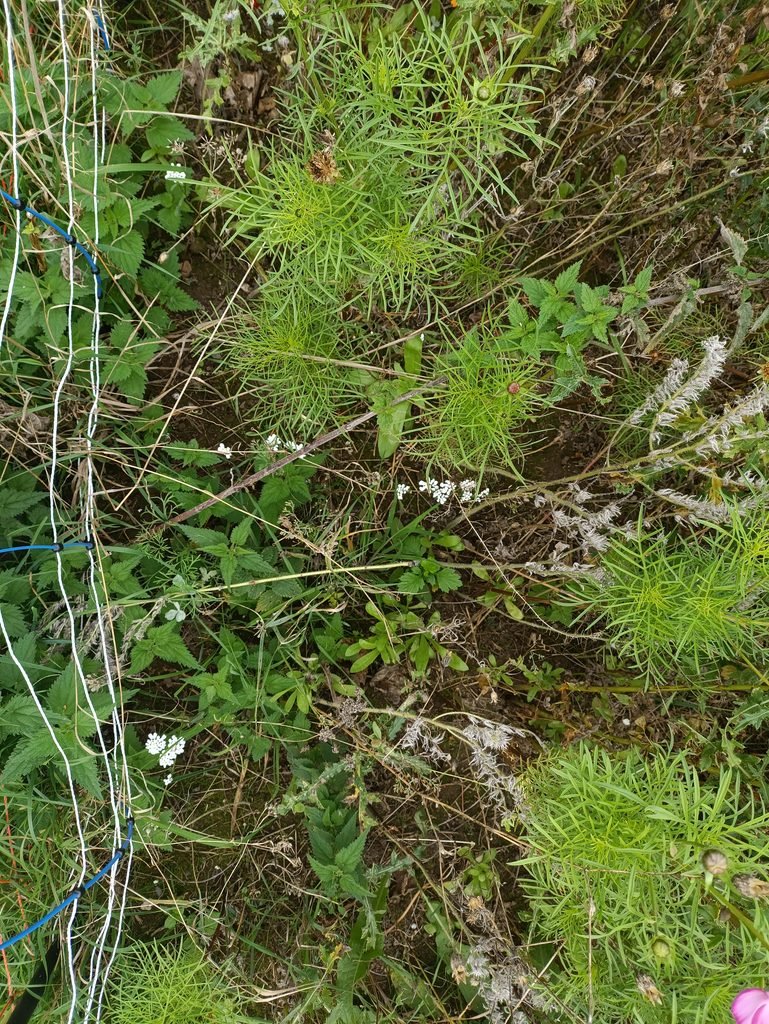
When sowing the seeds, in some of the tilled areas I lightly raked the seeds into the soil and then scattered a few more on top, while in others I simply scattered the seeds and covered them with a little soil. I can't tell the difference between the two methods.
 Deutsch
  Dansk
Dansk  English