
30/3/26
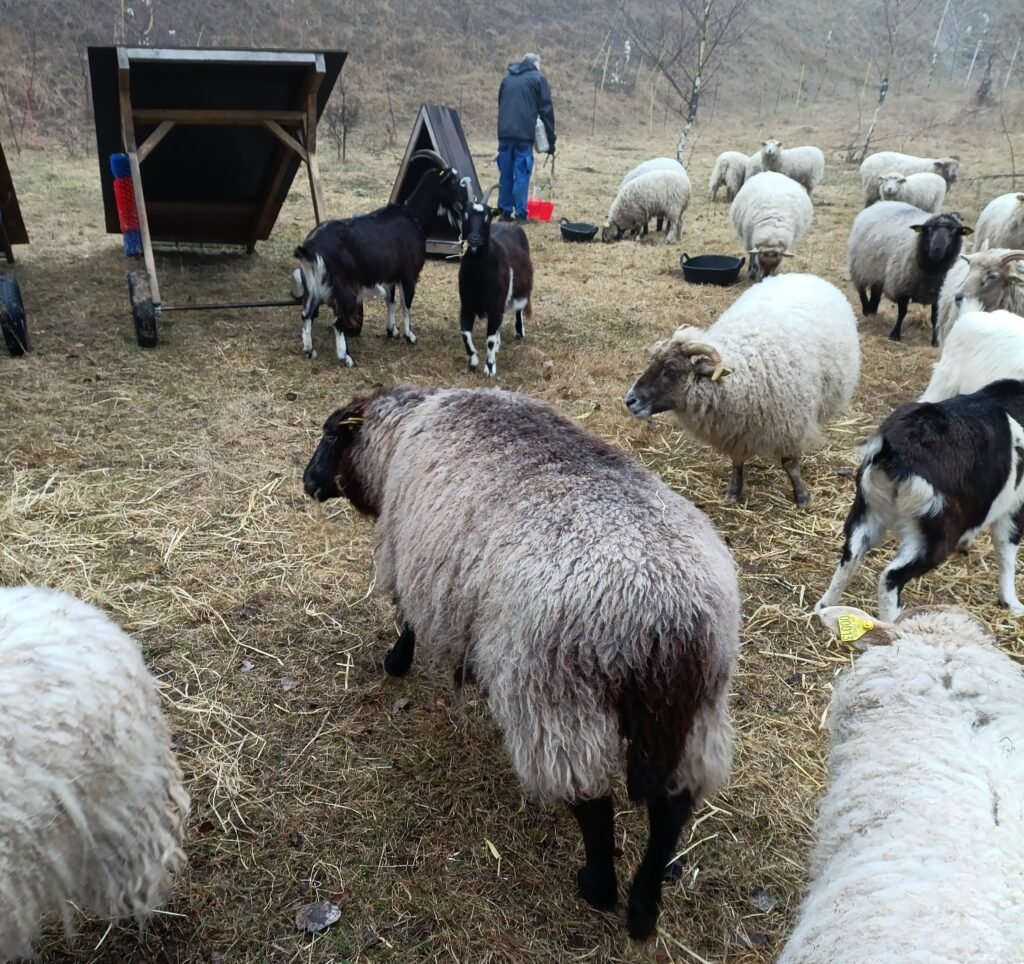
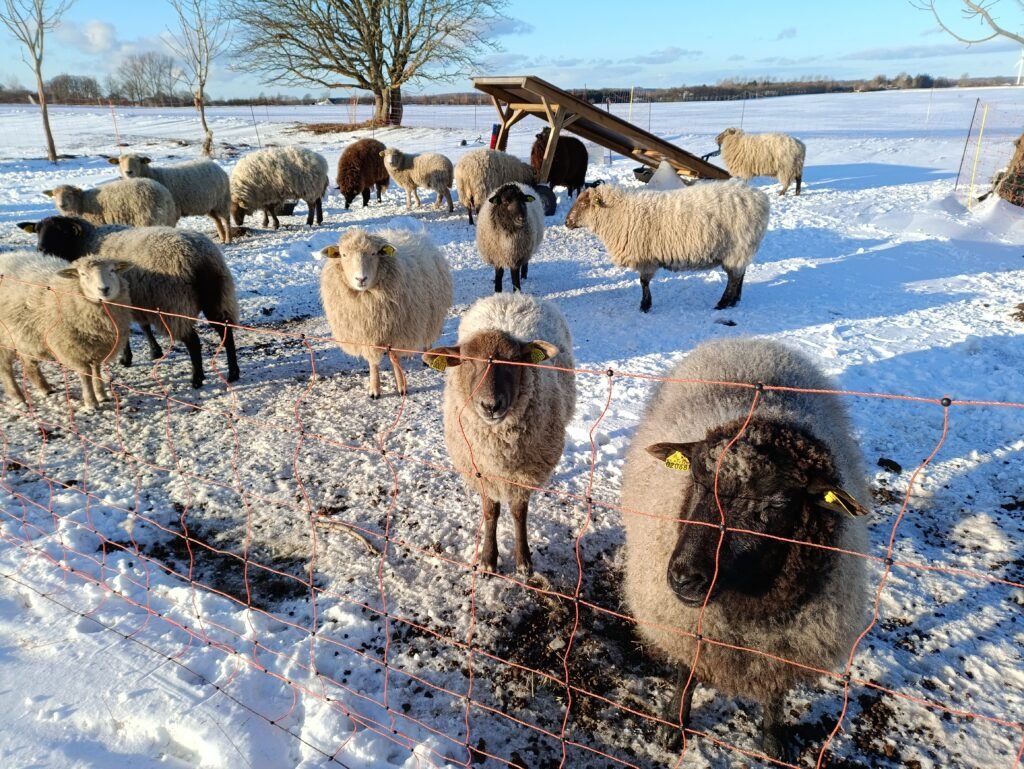
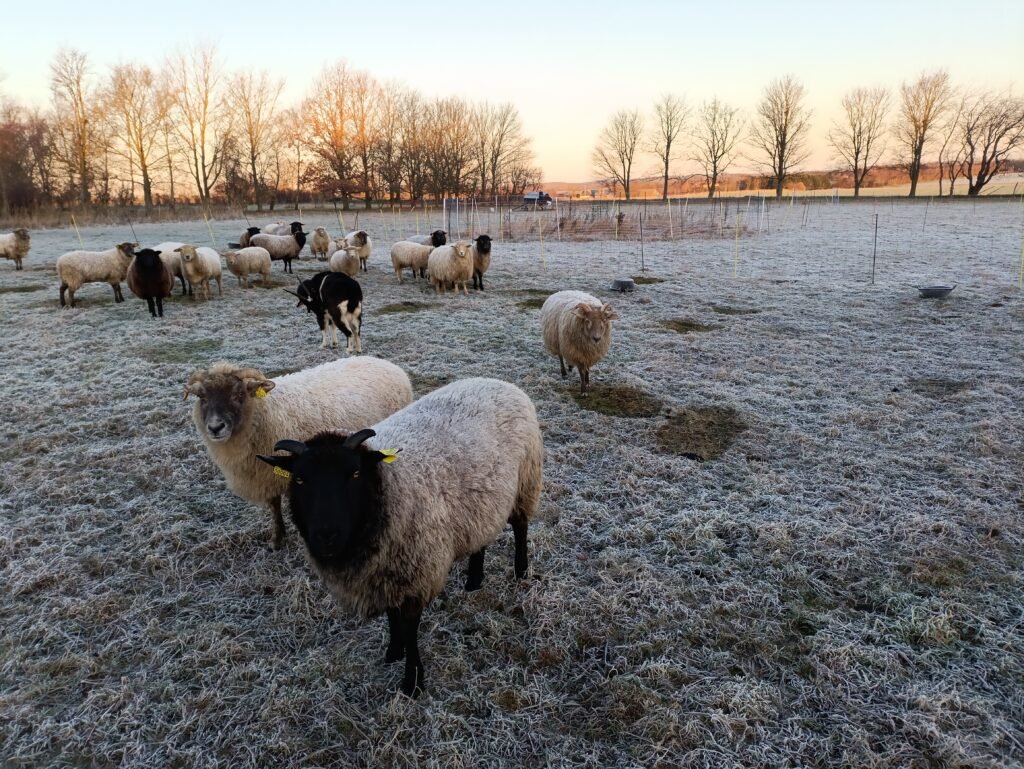
Lambing season has begun. The first lambs were born four days ago, followed by some goats two days ago, and another lamb yesterday. It’s good to know that both the breeding ram and the breeding billy were fertile. The first lambs were born just 145 days after we let the ram join the ewes—that was quick. We’re expecting about 30 more births. At first, there’s always great joy when a live newborn is spotted. Then the worry sets in—will it drink properly from its mother so it gets its dose of colostrum?.
Since we've had problems in the past with both intervening too late and too early, it's difficult to decide when we need to provide support.
The newcomers had all already left the womb when we spotted them. The lambs were already on their feet. With the first two from our sheep Nelli, it quickly looked as though they were drinking. You can tell this, among other things, by the jerky movements at the udder and the wagging tail. Sometimes, however, the tail also wags when the infants are not „docked.“ If the lambs' bellies feel well-filled, and at the latest when orange-colored feces appear, these are also good signs.
The mother sheep has taken very good care of the two of them, encouraging them to drink and keeping others from the flock away. By now, the two of them are running so fast across the pasture that we can no longer catch them.
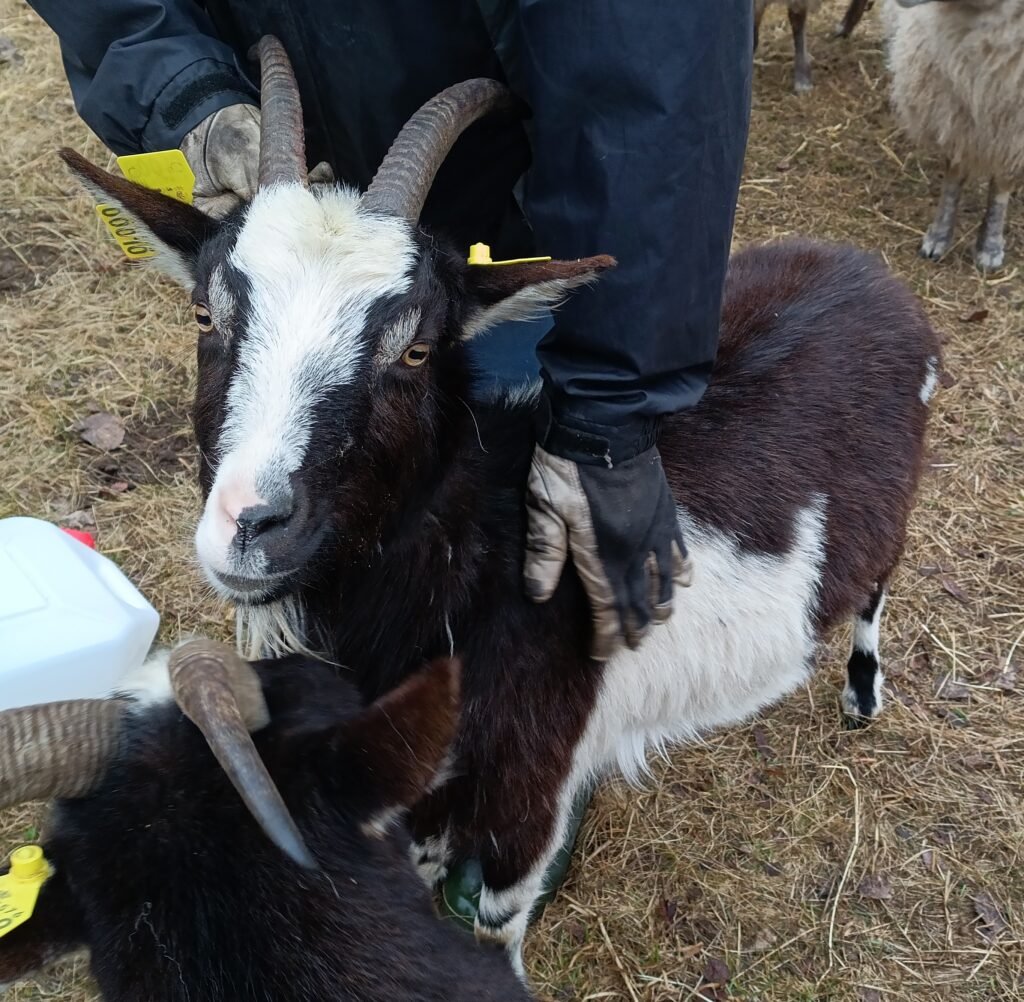
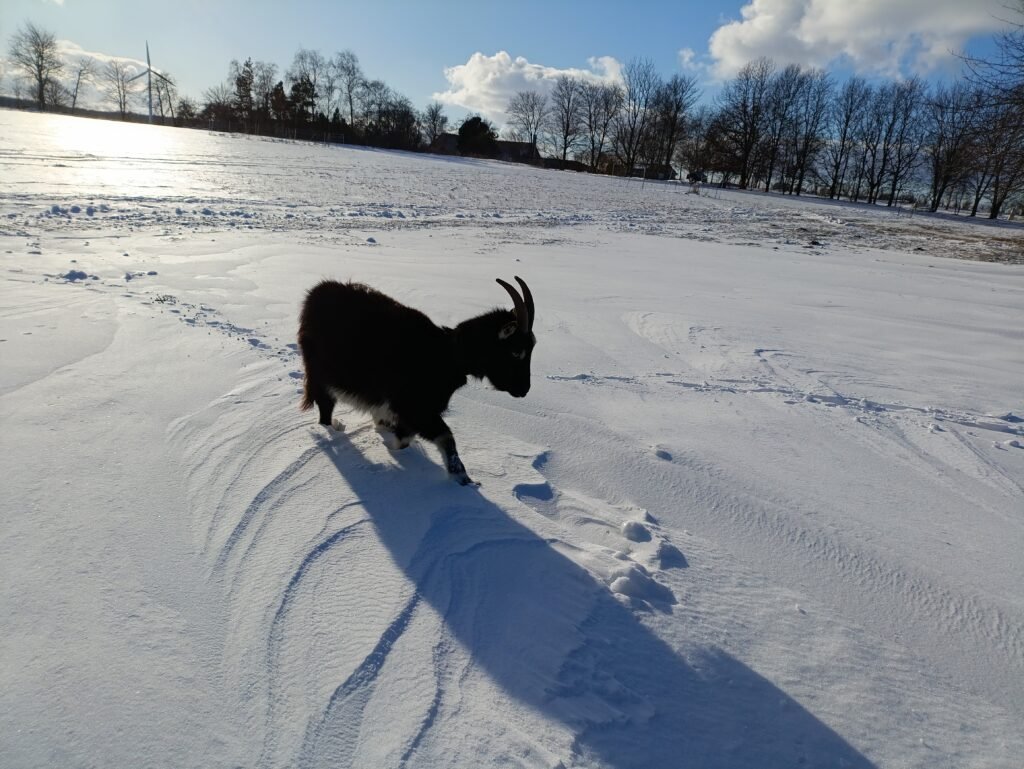
The two kids from our goat Splitti apparently had been born just shortly before our arrival, at least the placenta was lying right next to them. The smaller of the two seemed very weak, so we were a bit worried.
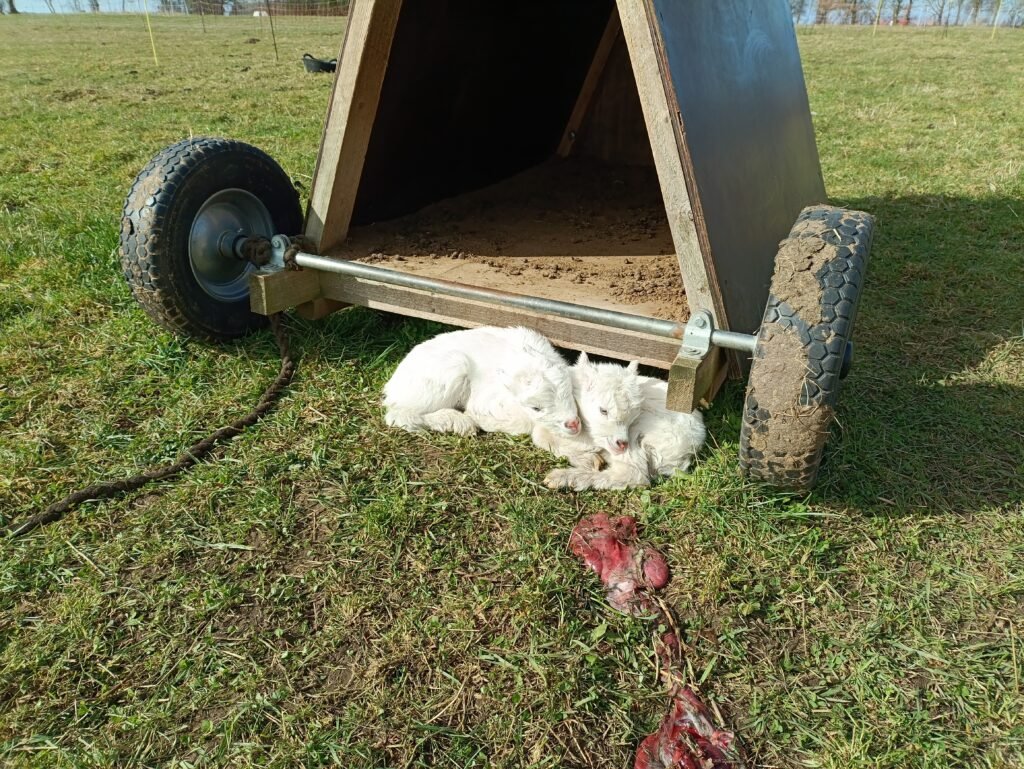
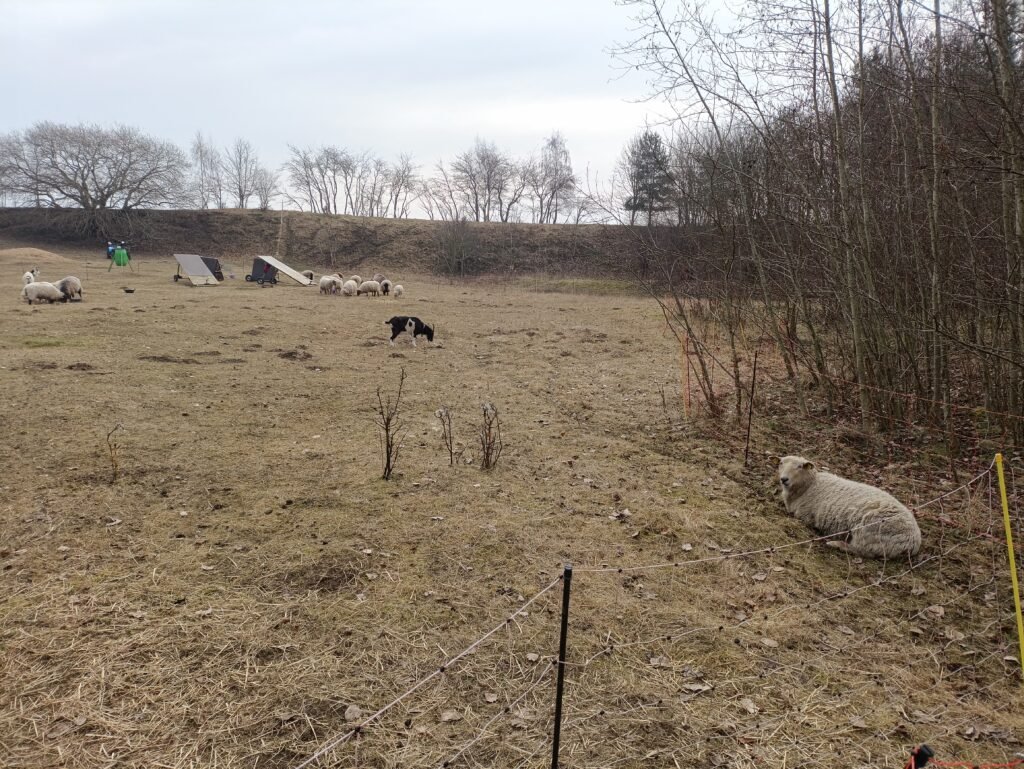
Mother goat Splitti was quickly back on her feet and even outside the fence, so it wasn't entirely easy to observe how well she was taking care of her kids.
We spent quite a while in the pasture until we were relatively sure that the two of them had had something to drink.
In the evening, we put the little goats on a bed of straw in the small shed so they wouldn't get too cold.
We had not seen the lamb that was born yesterday morning by our sheep Rudolfine drink until the afternoon.
However, it appeared quite mobile, so we only intervened towards evening.
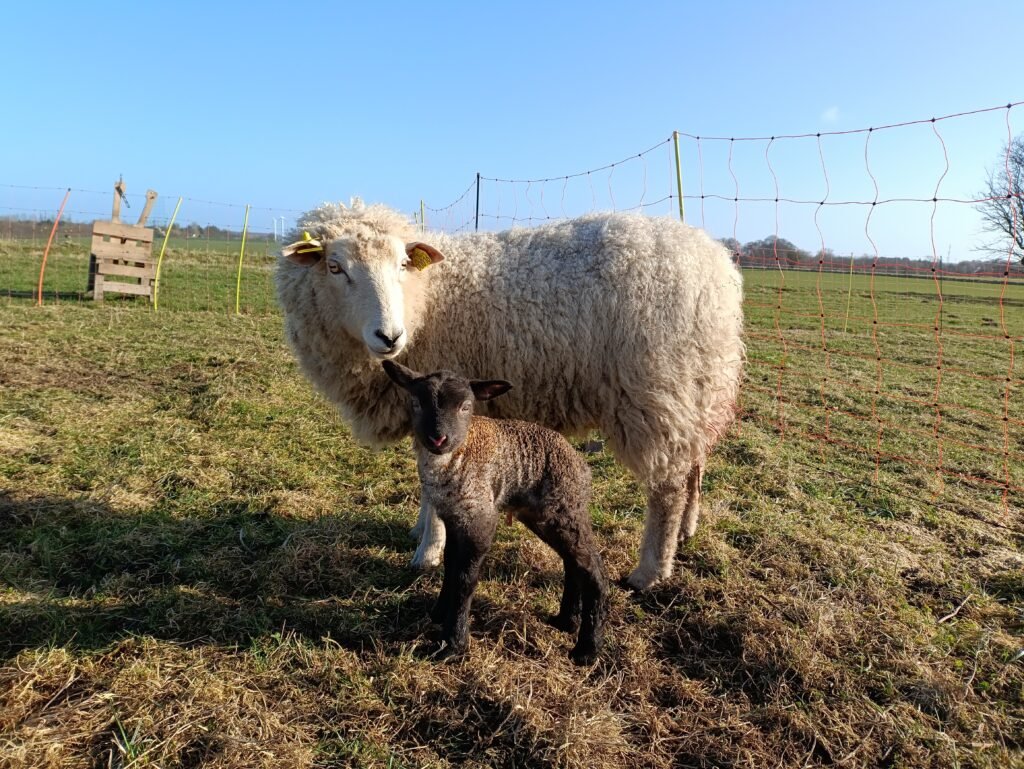
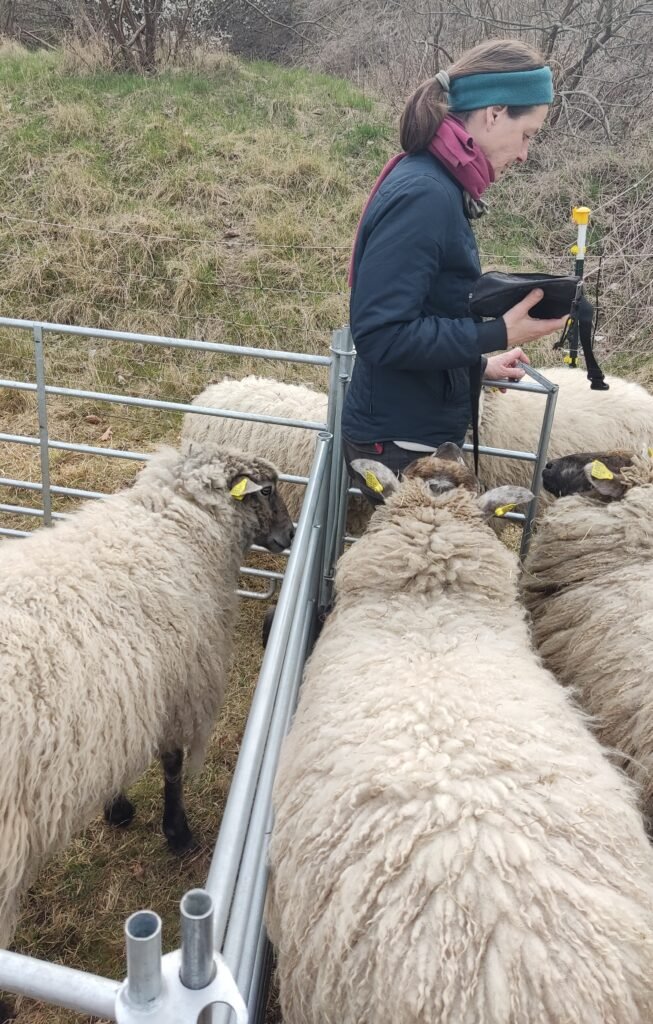
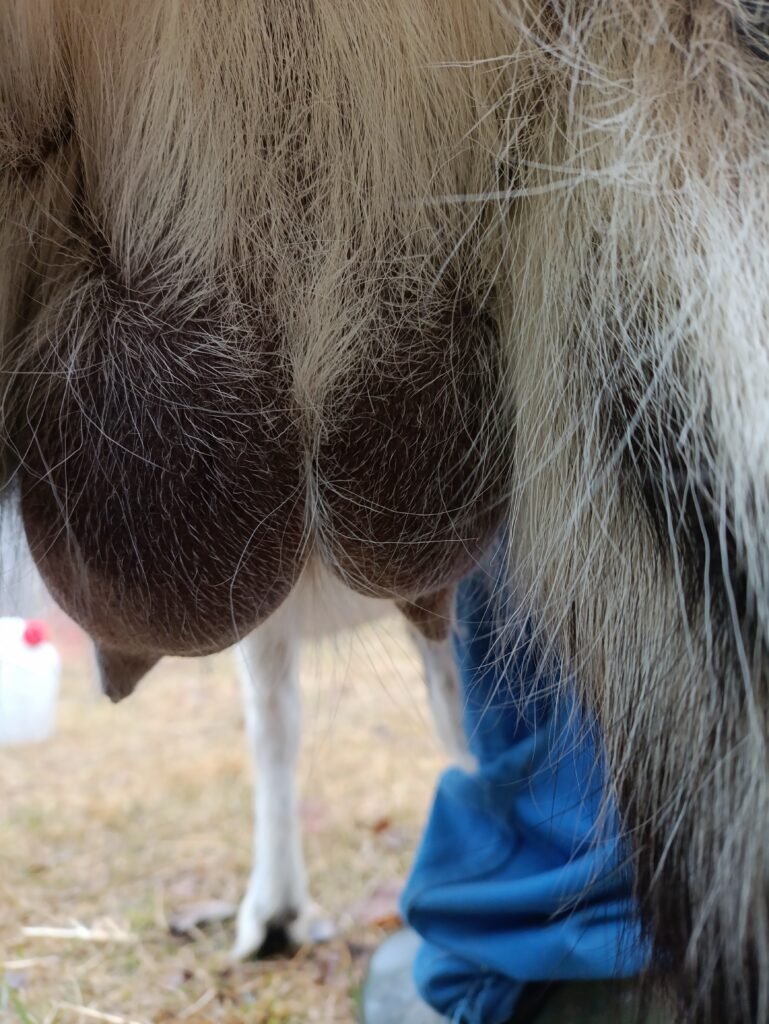
Actually, the little ones are supposed to drink colostrum within the first six hours. We set up a small enclosure into which we lured the ewe with the help of the lamb. Then we checked with clean hands to see if milk was coming out of the udder. Since the lamb is quite large relative to the mother, it might not have been so easy to find the teat. We sat the mother on her rump and guided the lamb's snout directly to the udder and squirted milk on it. After that, we had the impression that it drank a little bit on its own. It is not certain whether the intervention was necessary. But since we have already lost a weakened lamb, we do not want to wait too long.
This morning all five seemed active. Now we can relax a bit until the next births, as long as the newborns don't suddenly change their behavior and become lethargic.

 Deutsch
  Dansk
Dansk  English