13/5/26

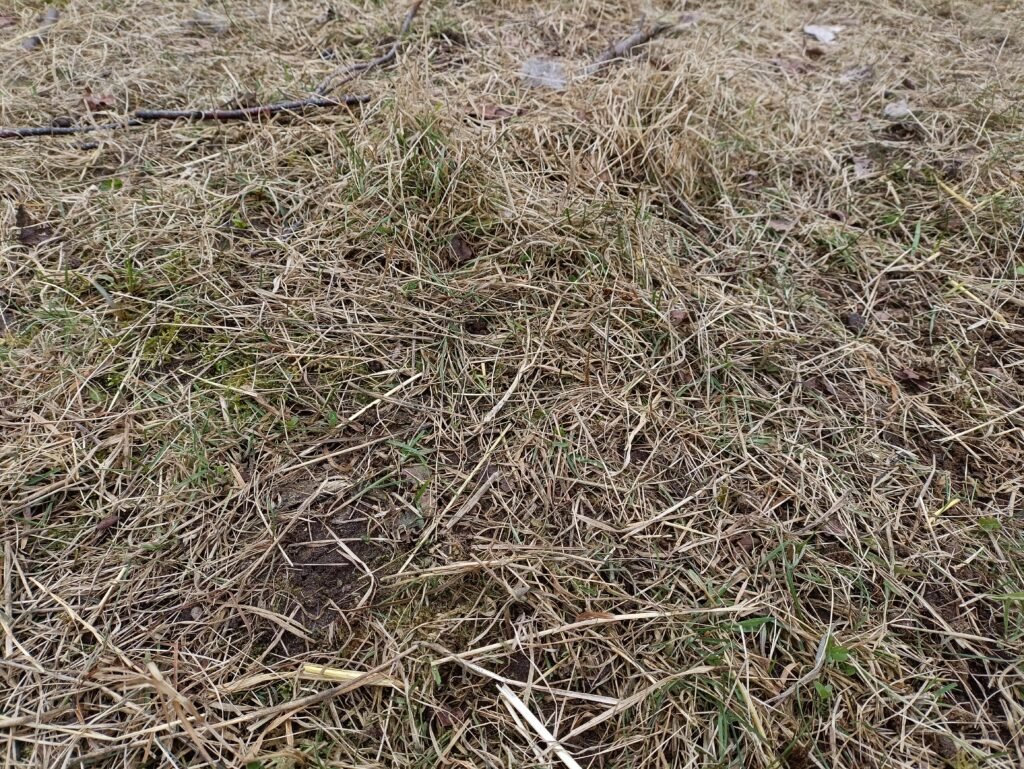
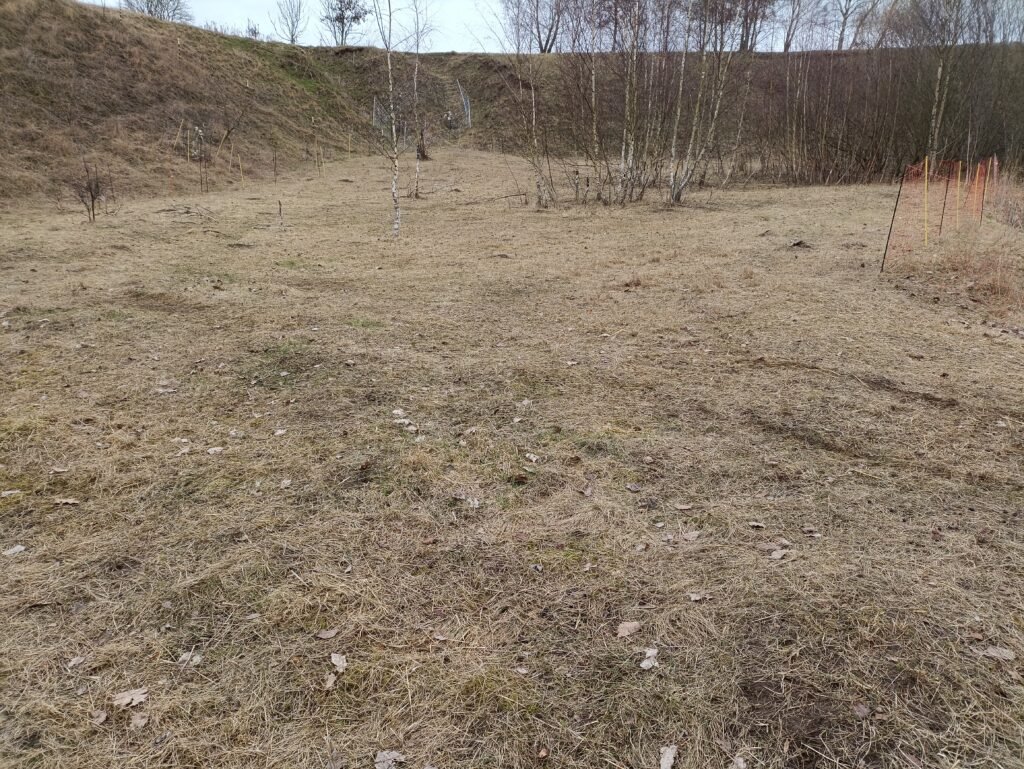
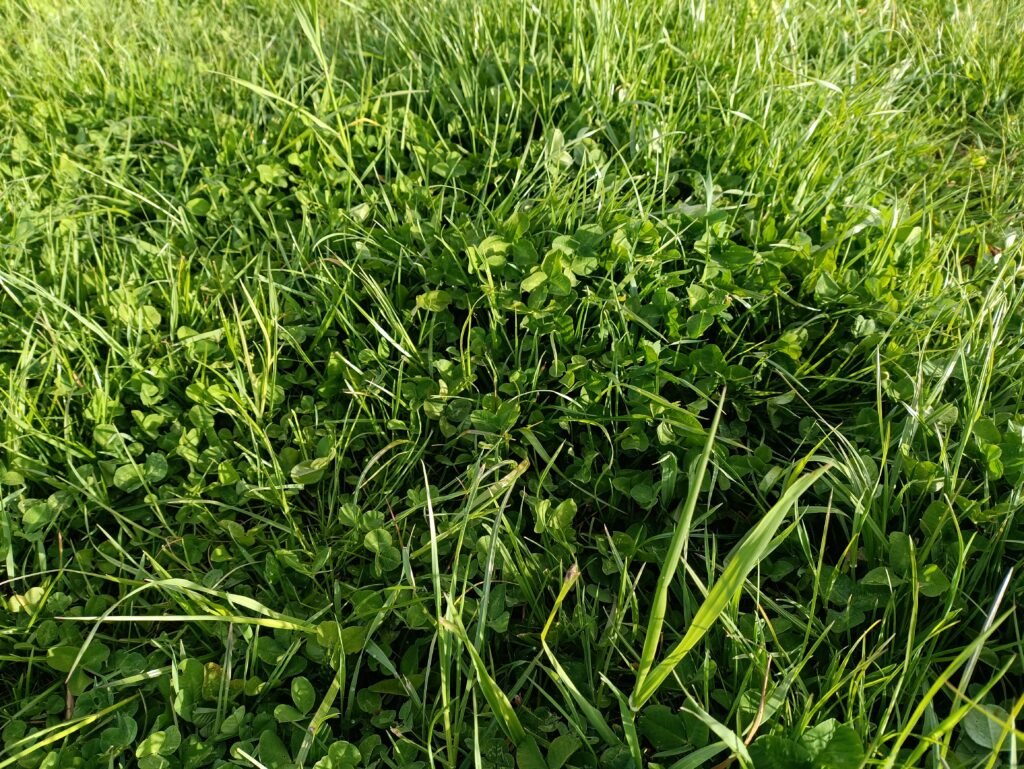
We want to increase biodiversity on our pasture. Johnny regularly sows grass and herb seeds with our Faunamaster seed drill. Since the turf is already quite dense, the young seedlings often cannot compete with the established plants. Above all, white and red clover have nevertheless established themselves well on our large pasture by now. Unfortunately, we haven't been able to find most of the herbs from our seed mix again on the pasture.
img 20260513 192005

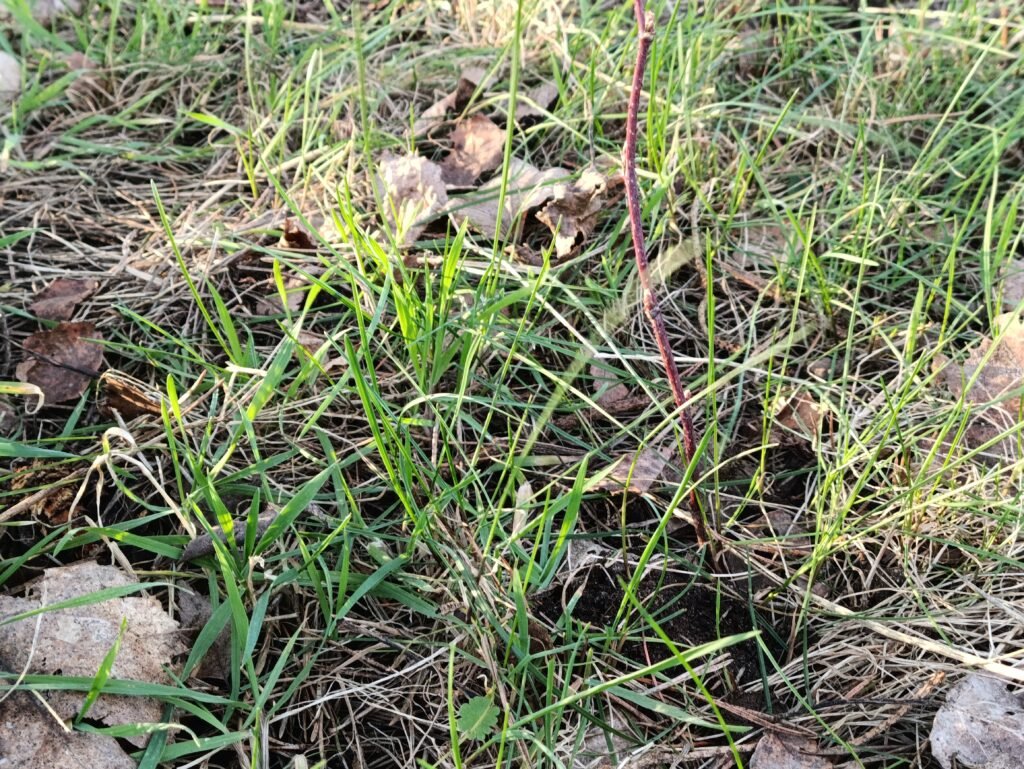
That is why we sowed flower seeds in our tree rings in the pasture this year. Our goal is for the flowers growing there to seed themselves onto the adjacent meadow.

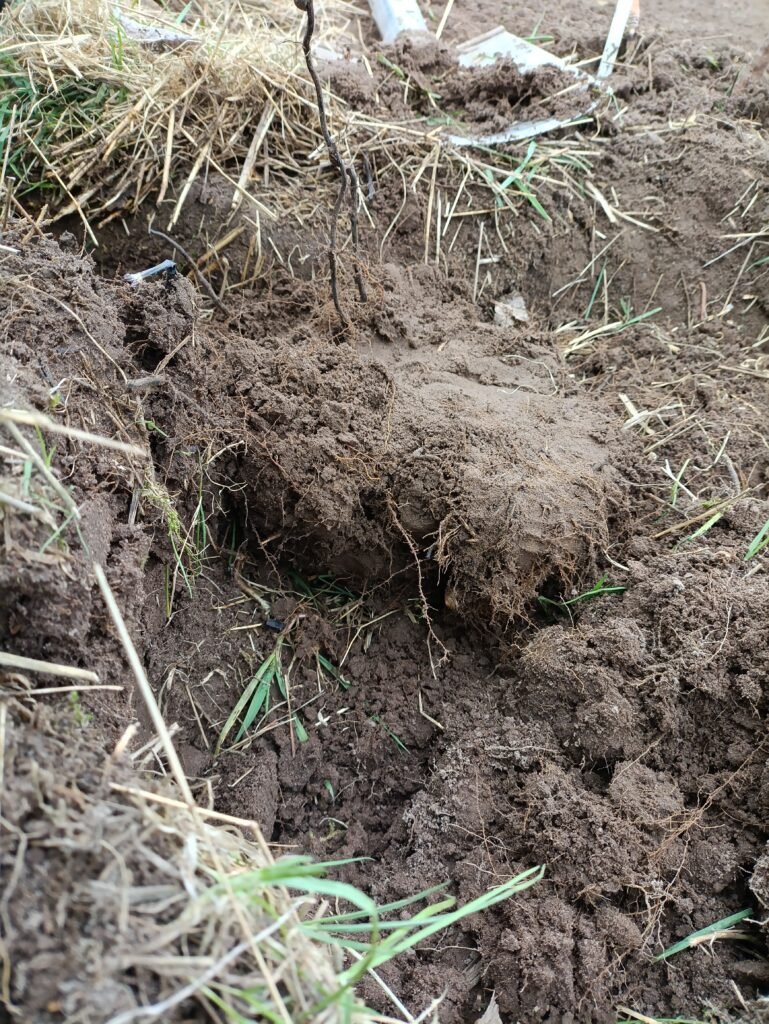
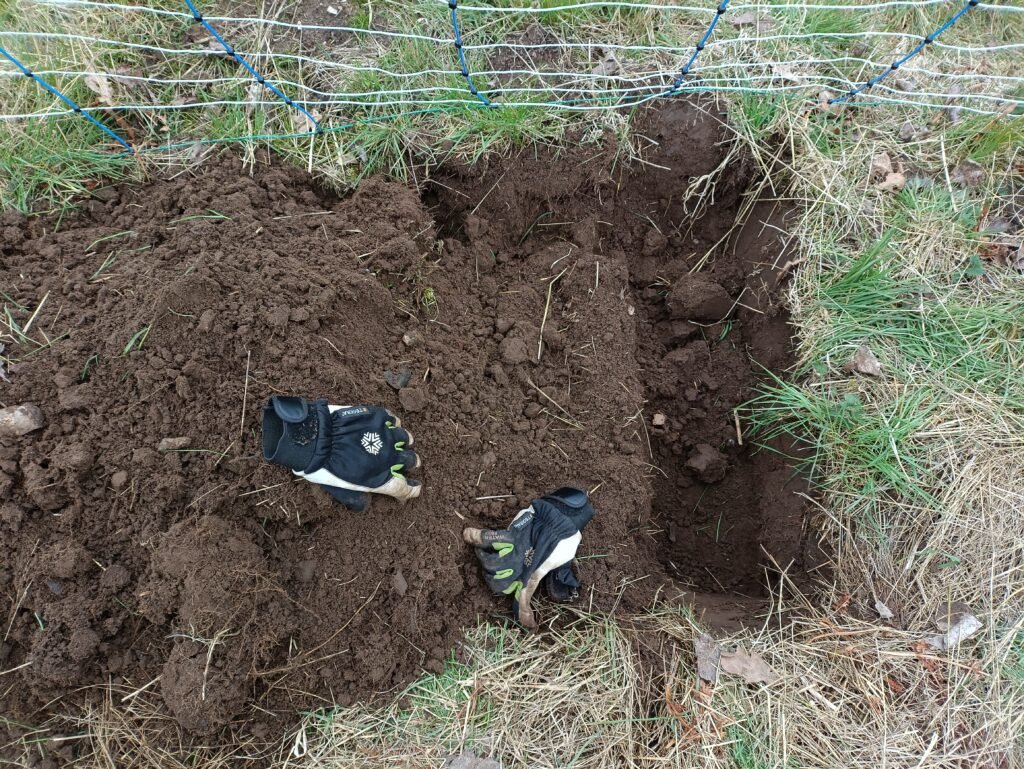
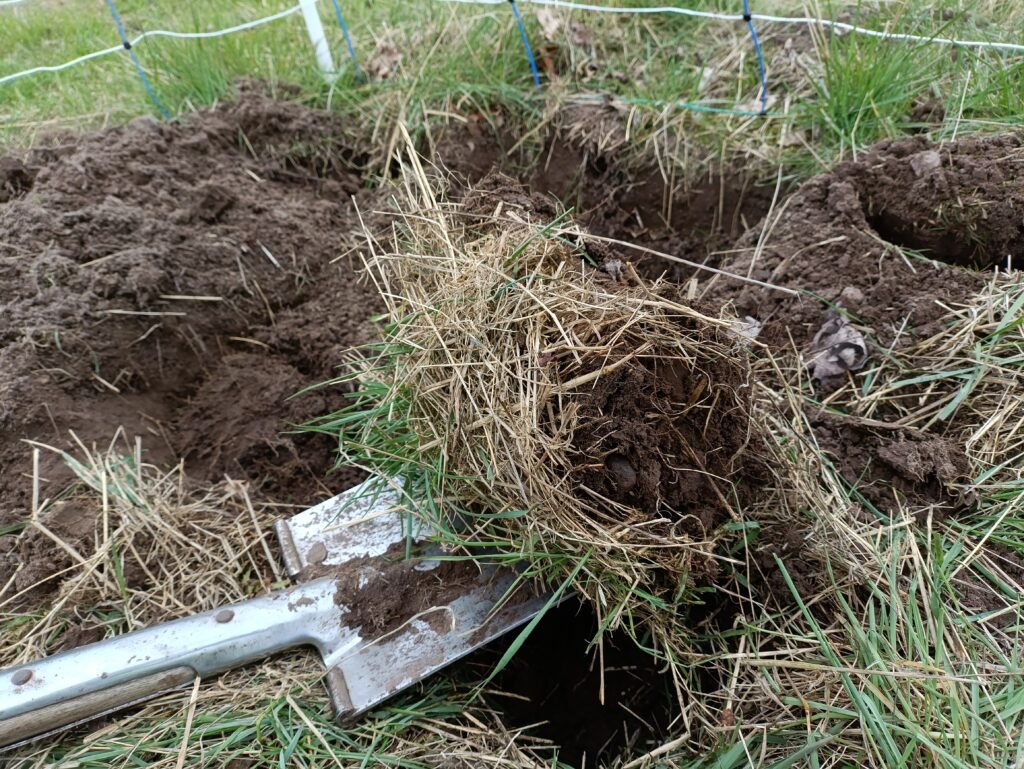
First, I turned the sod over to do this.
img 20260413 143107

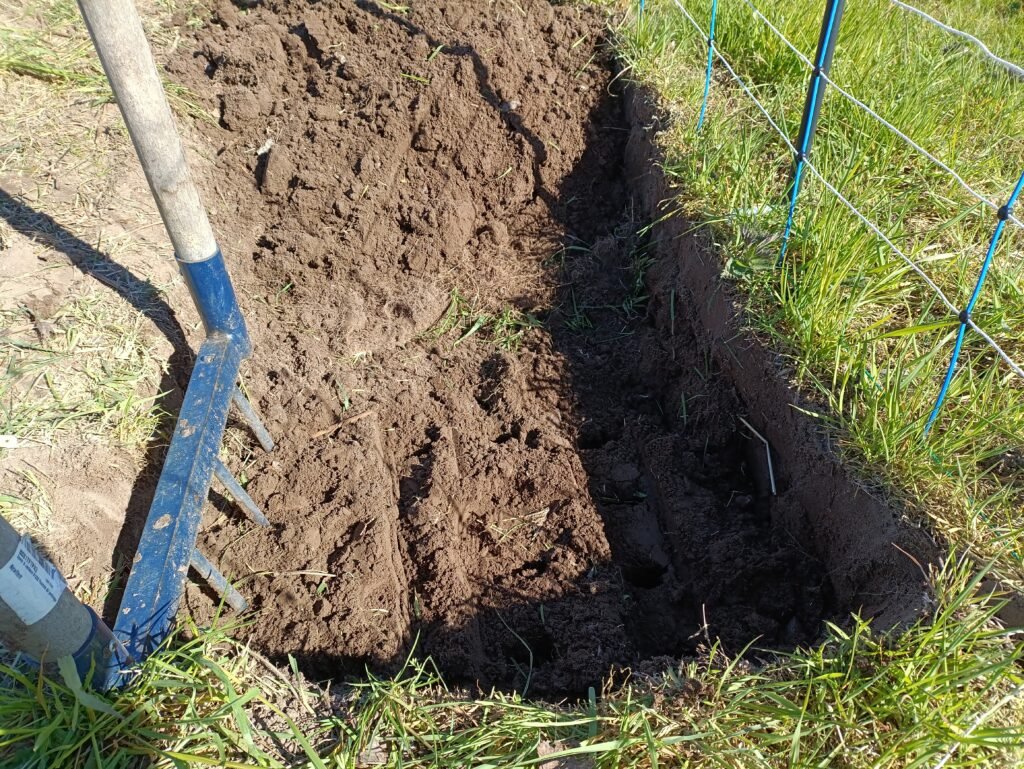
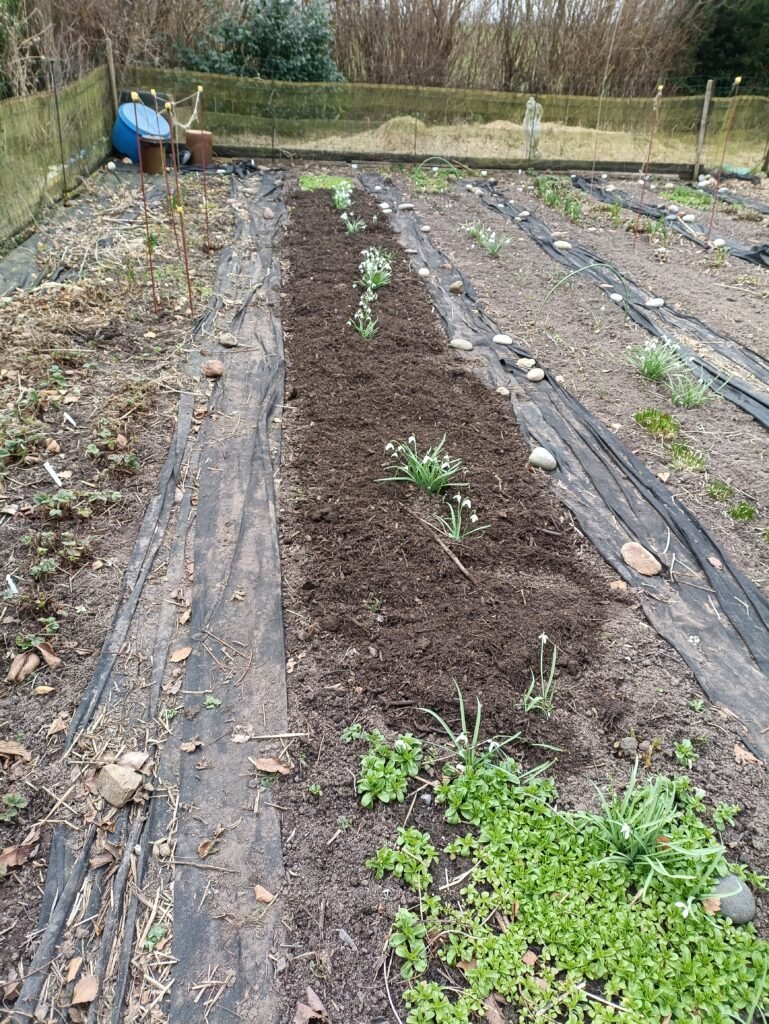
I dug up part of the beds two spade depths deep, and the other part only one spade deep. Below that, I loosened the soil with a broadfork. This way, I can observe how well the seeds establish themselves and how quickly the new plants are crowded out by the neighboring grasses.
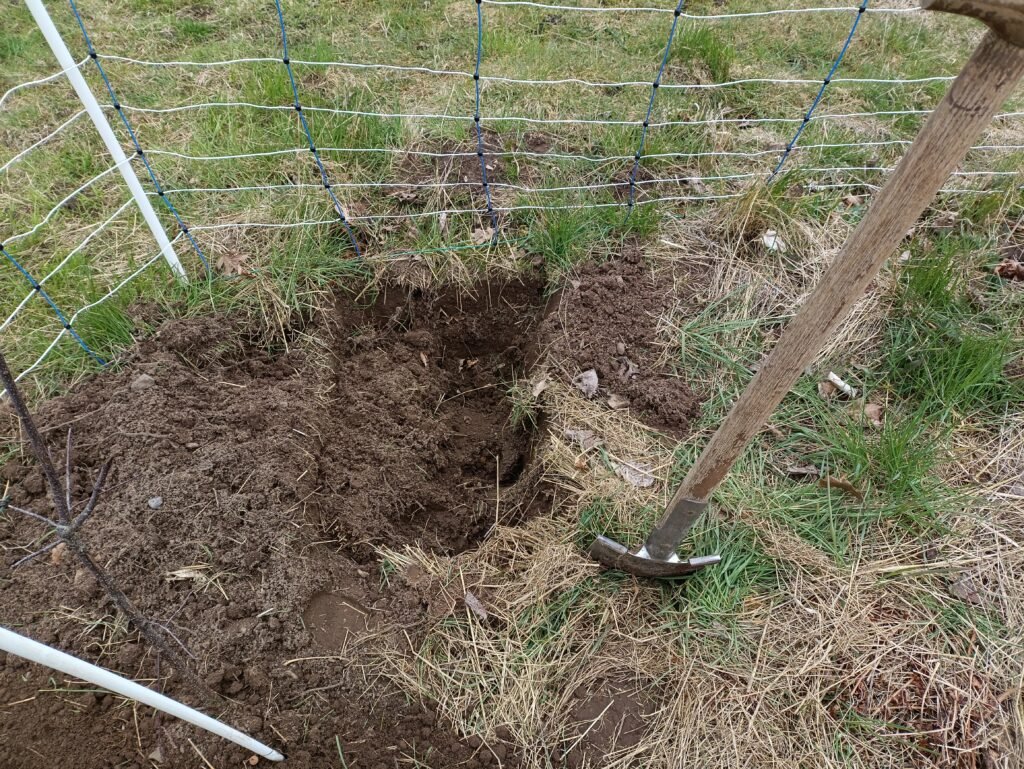
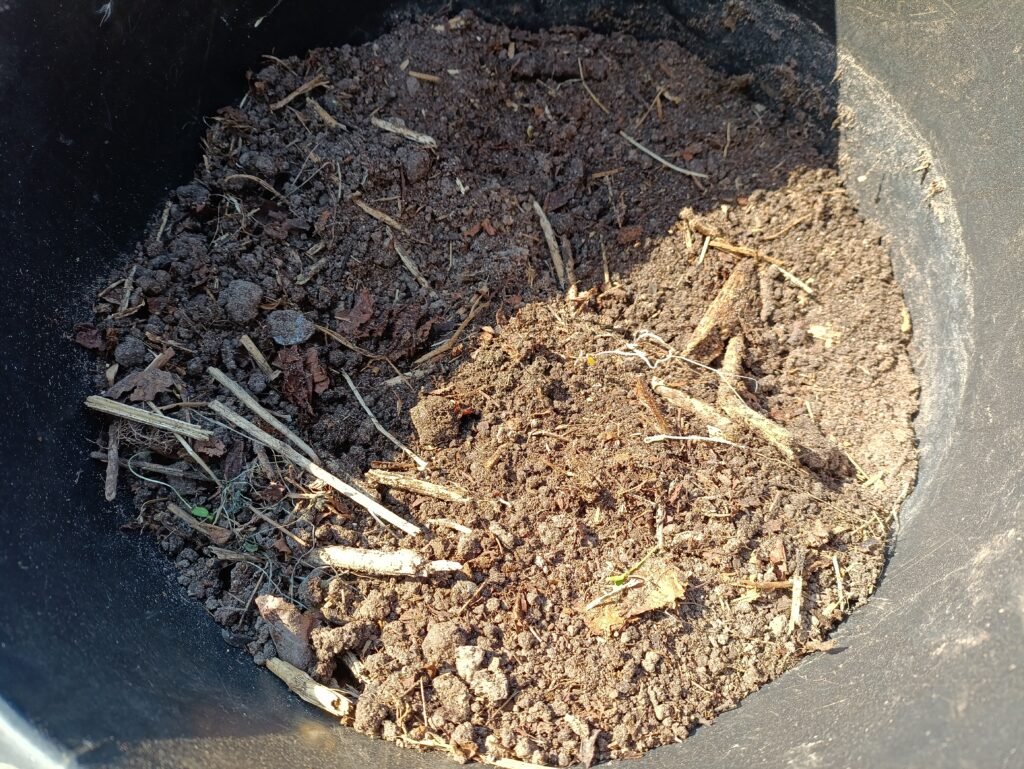
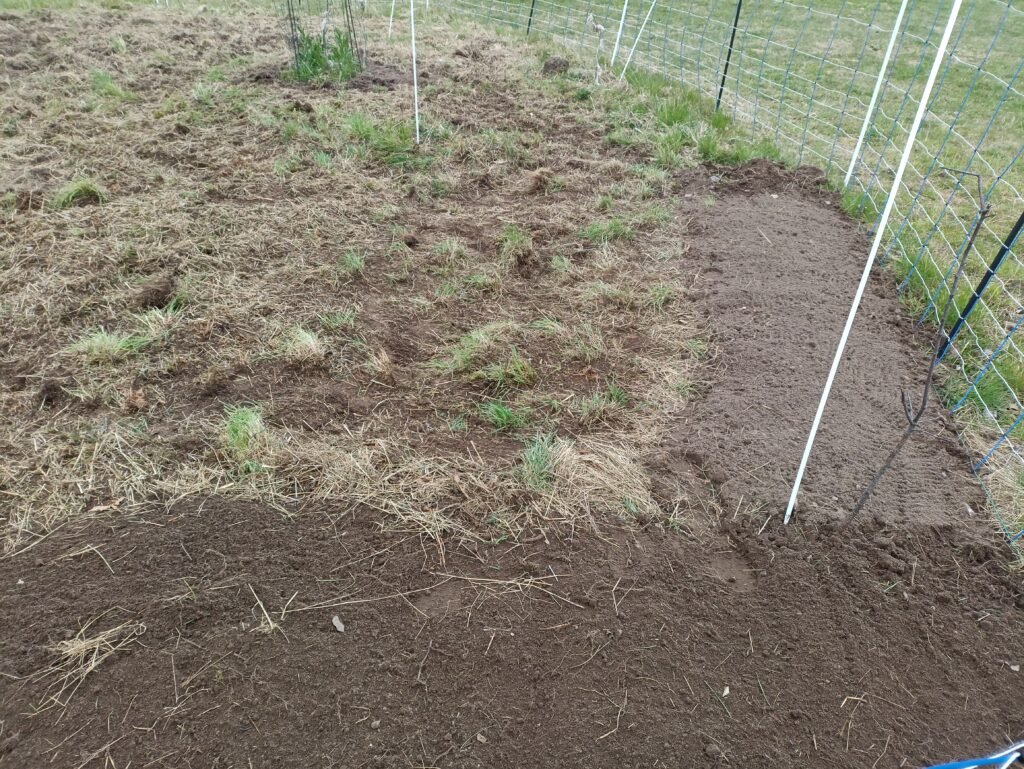
Before sowing, I soaked the seeds in a molasses (or honey/sugar) water mixture (1:9) along with some purchased mycorrhizal fungi. Then I mixed the mass with some dry soil so the seeds could be distributed better. In some areas, I raked the seeds in lightly. In others, I scattered the seeds and covered them with a little soil. In some circles, I just scattered them without covering them. In the final circles, I also raked in some of our Johnson-Su compost, which we opened for the first time, before sowing.

Now I can observe which method worked best.

Inside the tree rings, Johnny opened up the turf with the tiller, and then I raked away the loose grass with the rake. There I simply scattered the rest of the flower seeds and hope that some of them will germinate and take root as well.
img 20260413 155952

4/5/26

Almost a month has gone by already. A lot has happened on the farm and in my personal life...

Fortunately, Mikro finally started drinking from the mother after all. At first, only when we held the mother down to milk her. For about two weeks now, he has been drinking all by himself. However, he is still a very trusting lamb and is not afraid of us. The other lambs run away when we approach them. Meanwhile, we have 19 lambs and 8 goat kids that play happily together.


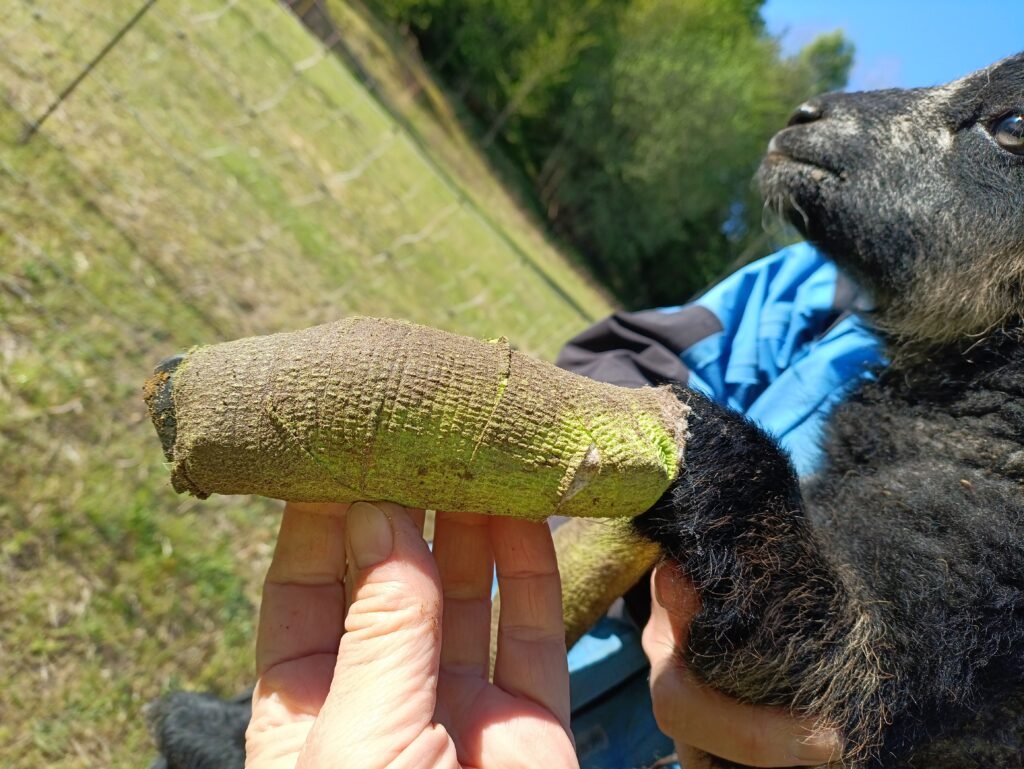
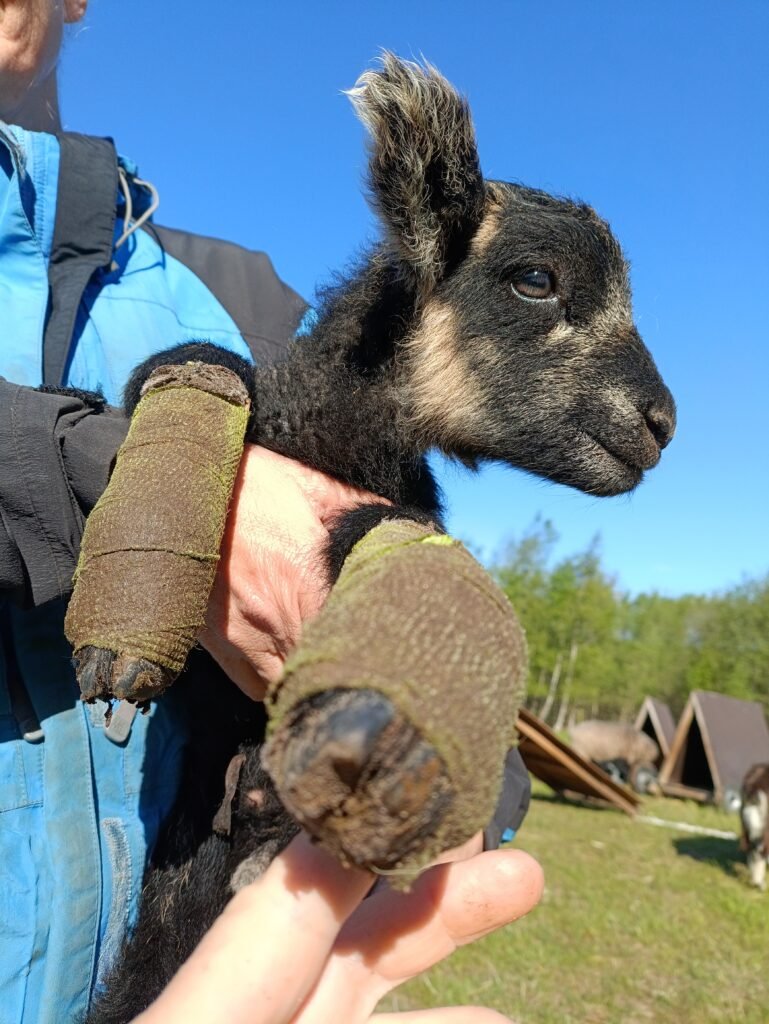
One of our youngest lambs is still having trouble keeping up with the others. Its front legs buckle backward at the fetlock joint, causing the hooves to point upward.

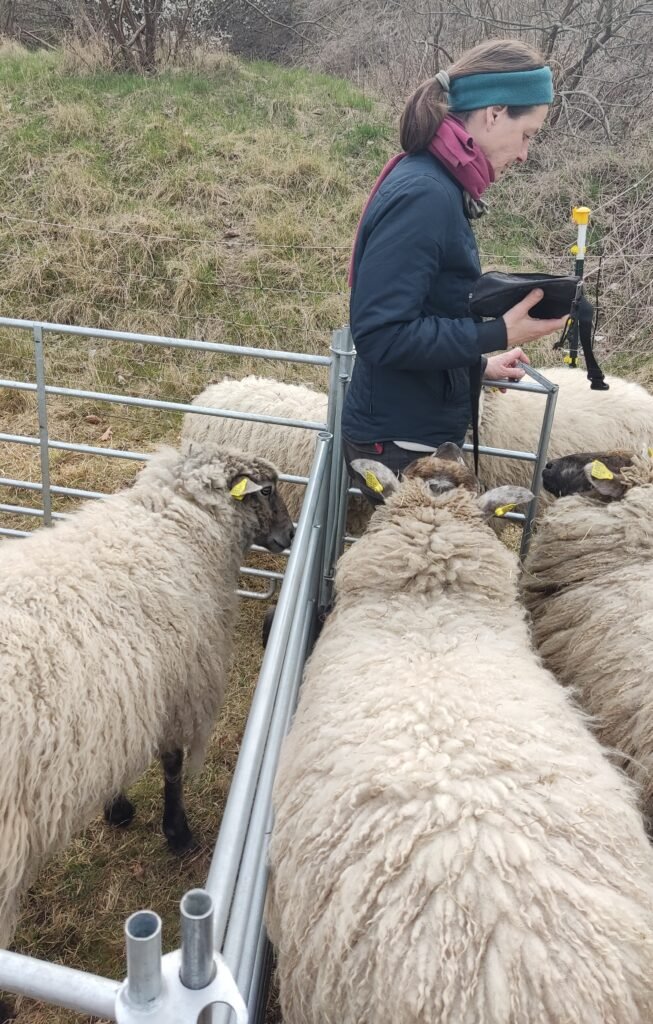
We tried unsuccessfully to find a nearby veterinarian (our former vet is no longer in practice). The nearest clinic that also treats livestock is an hour's drive away. Our research into various reasons for the malformation revealed that the lamb may have a selenium deficiency, shortened tendons, or was cramped in the mother's womb. In fact, there was also a twin in there, which was unfortunately stillborn.
Since only selenium was available as a dietary supplement from the pharmacy on short notice, we got it and crushed half a tablet of it (50 µg selenium) with a mortar and gave it in a bottle with some powdered milk. In addition, we applied comfrey ointment to both front legs up to below the carpal joint, wrapped a compress and a bandage around each, and secured them on the outside with tape.

It looks like the little lamb isn't stumbling as much now. In any case, it's hopping along cheerfully.

10/4/26

Actually, we wanted to write something nice about our 5th anniversary, but then things turned out differently.
When we arrived at the pasture on Easter Saturday, we found a stillborn lamb and another lamb that was barely showing any signs of life. We had just opened the gate to the new pasture, and the animals had rushed toward the fresh grass when we discovered the two of them.

The ewe had also left the live lamb behind. Apparently, she had already given up on it. The animal was so weak that it could barely move its head. We held it right in front of the mother's nose and she recognized it. Afterward, we set up a small mother-infant pen with hurdles. The mother followed the little one, which we carried inside.

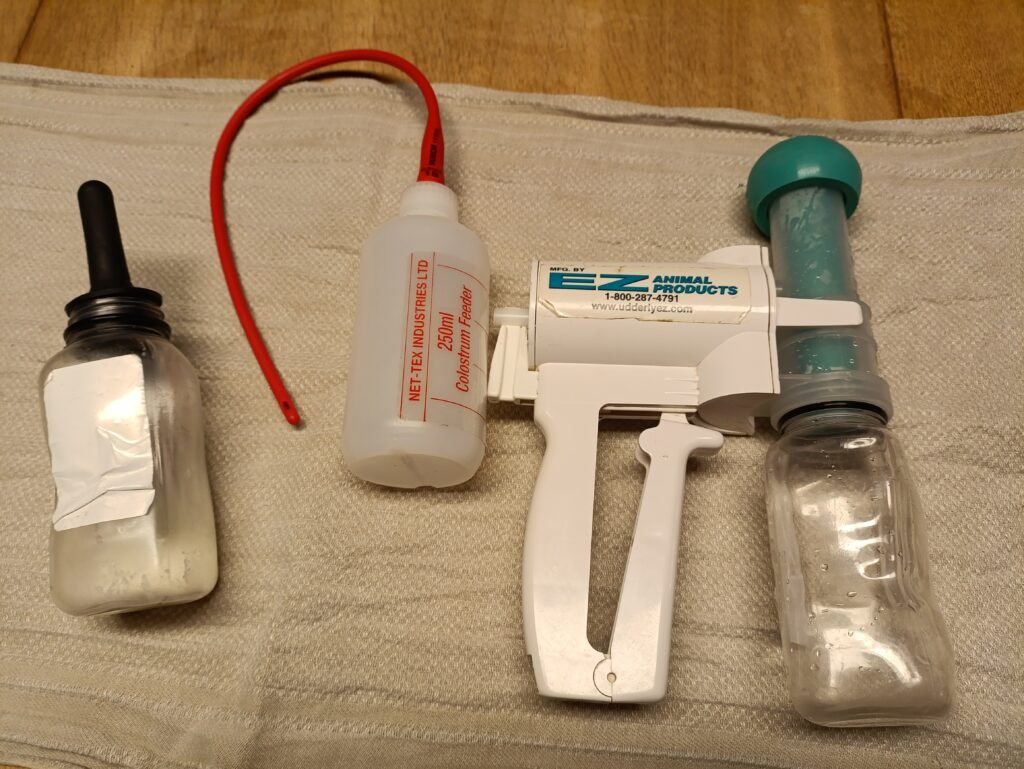
Even though the mother made every effort to lick the lamb clean and motivate it to drink, the lamb was far too weak. We tried to create some warmth using straw and also tried to rub the lamb dry with straw. Suddenly, the birth process started again. Unfortunately, the third of the triplets was also stillborn. Since the living lamb was unable to stand, we pumped milk from the ewe and tried to feed the lamb with a bottle.

But even the suction was too much for the little one. It already felt chilled. So we took it inside and warmed it up with a hair dryer while we continued to rub it dry with old towels. Luckily, we’d been given a feeding tube by a former sheep farmer.

With this we introduced the breast milk or colostrum through the esophagus. From then on things were looking up. The lamb could hold its head better, the suckling reflex set in, and the body temperature felt like it had risen. The mother accepted it right back when we brought it back. In the evening it even got on its feet. 

Unfortunately, the mother was in very poor health for the next few days. She barely ate and had severe diarrhea. Unfortunately, the lamb isn’t able to nurse directly from its mother. Every day, we express two small bottles of milk from the mother and feed the little one. Even today, six days later, it’s still much weaker than most other lambs are after just one day. The mother’s milk production seems to be slowly decreasing. We’ll probably have to start supplementing with formula soon.

img 20260414 212847

30/3/26

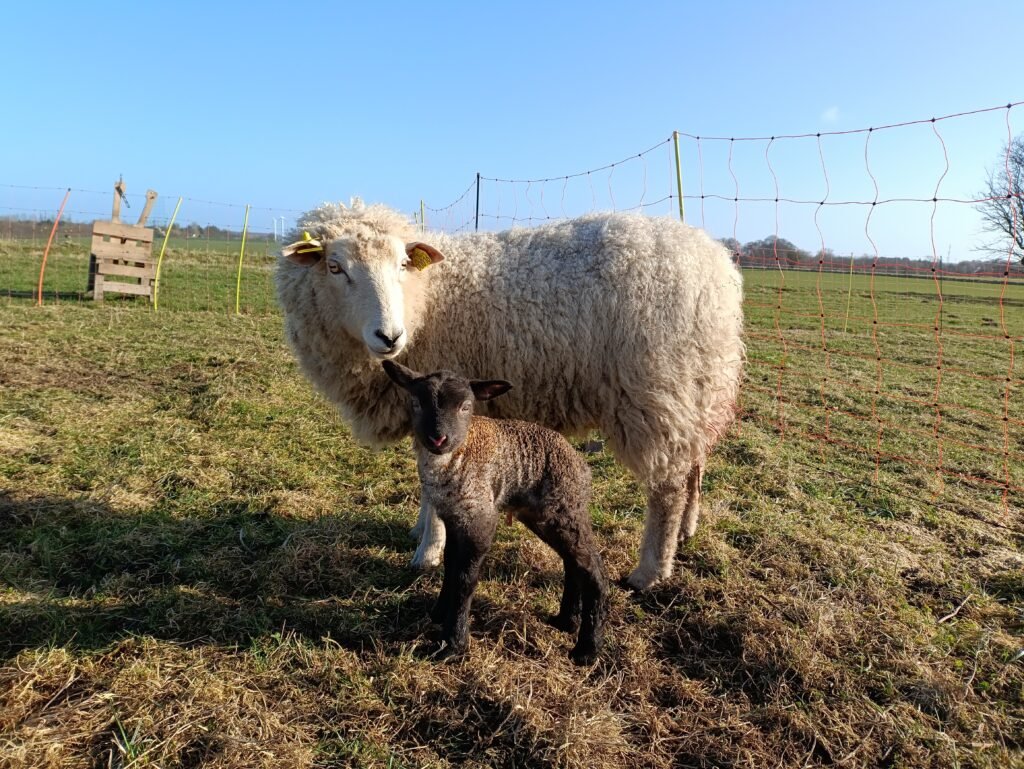
Lambing season has begun. The first lambs were born four days ago, followed by some goats two days ago, and another lamb yesterday. It’s good to know that both the breeding ram and the breeding billy were fertile. The first lambs were born just 145 days after we let the ram join the ewes—that was quick. We’re expecting about 30 more births. At first, there’s always great joy when a live newborn is spotted. Then the worry sets in—will it drink properly from its mother so it gets its dose of colostrum?.

Since we've had problems in the past with both intervening too late and too early, it's difficult to decide when we need to provide support.

The newcomers had all already left the womb when we spotted them. The lambs were already on their feet. With the first two from our sheep Nelli, it quickly looked as though they were drinking. You can tell this, among other things, by the jerky movements at the udder and the wagging tail. Sometimes, however, the tail also wags when the infants are not „docked.“ If the lambs' bellies feel well-filled, and at the latest when orange-colored feces appear, these are also good signs.

The mother sheep has taken very good care of the two of them, encouraging them to drink and keeping others from the flock away. By now, the two of them are running so fast across the pasture that we can no longer catch them.

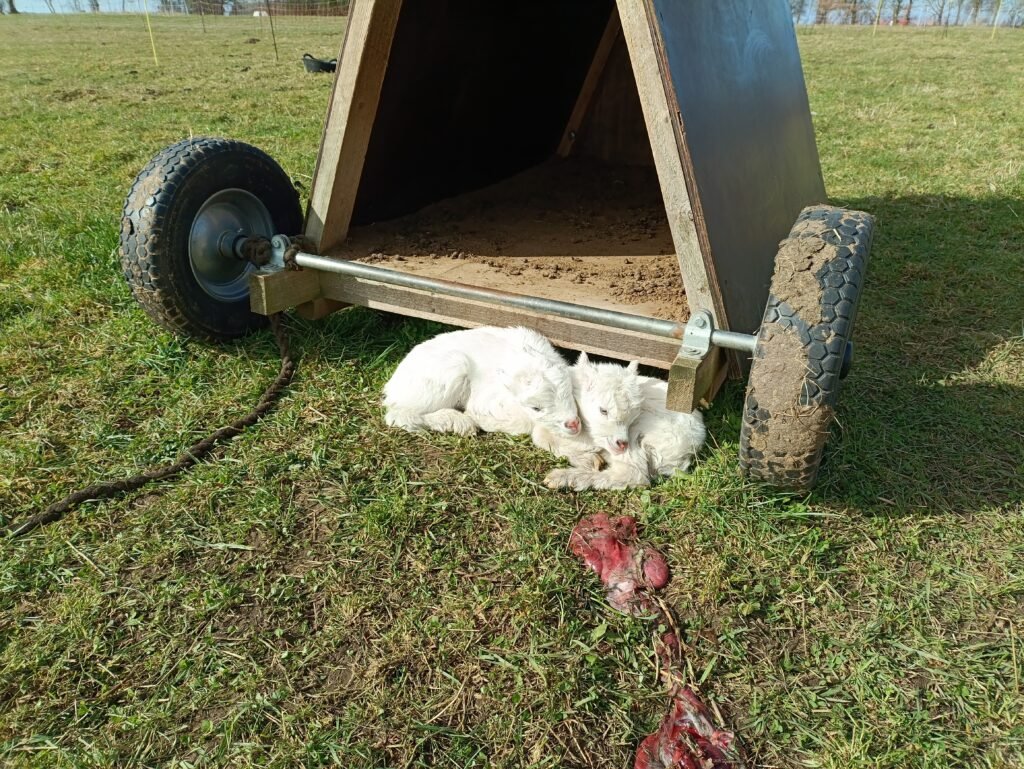
The two kids from our goat Splitti apparently had been born just shortly before our arrival, at least the placenta was lying right next to them. The smaller of the two seemed very weak, so we were a bit worried.

gedekid

Mother goat Splitti was quickly back on her feet and even outside the fence, so it wasn't entirely easy to observe how well she was taking care of her kids.

We spent quite a while in the pasture until we were relatively sure that the two of them had had something to drink.

In the evening, we put the little goats on a bed of straw in the small shed so they wouldn't get too cold.

We had not seen the lamb that was born yesterday morning by our sheep Rudolfine drink until the afternoon.
However, it appeared quite mobile, so we only intervened towards evening. 

comes with lamb

Actually, the little ones are supposed to drink colostrum within the first six hours. We set up a small enclosure into which we lured the ewe with the help of the lamb. Then we checked with clean hands to see if milk was coming out of the udder. Since the lamb is quite large relative to the mother, it might not have been so easy to find the teat. We sat the mother on her rump and guided the lamb's snout directly to the udder and squirted milk on it. After that, we had the impression that it drank a little bit on its own. It is not certain whether the intervention was necessary. But since we have already lost a weakened lamb, we do not want to wait too long.

This morning all five seemed active. Now we can relax a bit until the next births, as long as the newborns don't suddenly change their behavior and become lethargic.

24/3/26

Over the weekend, we picked up compost from the recycling center and spread it on the beds for the heavy feeders (zucchini, pumpkin, white cabbage) as well as in the greenhouse. Over the last five years, we have picked up several trailer loads of municipal compost. In the long run, we mainly want to use our own home-produced compost, but so far we don't have that much of it, and sometimes the quality isn't so good for the kitchen garden because it contains a lot of weed seeds.

img 20260321 145108

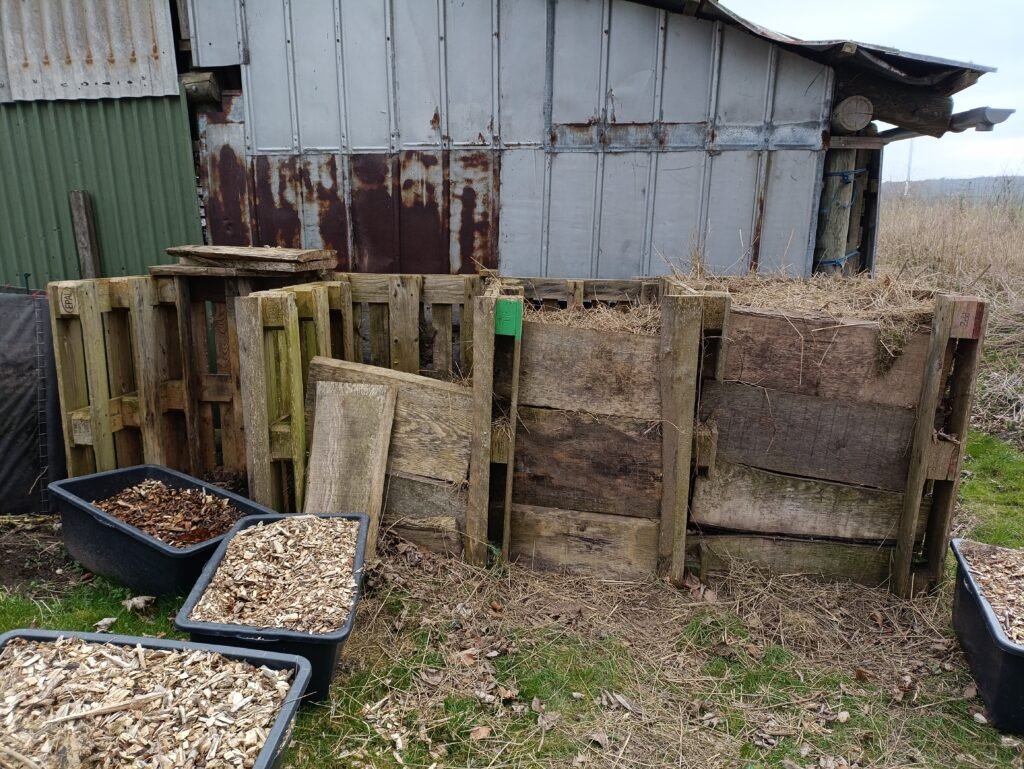
Right now, we have four different ways of composting ourselves.
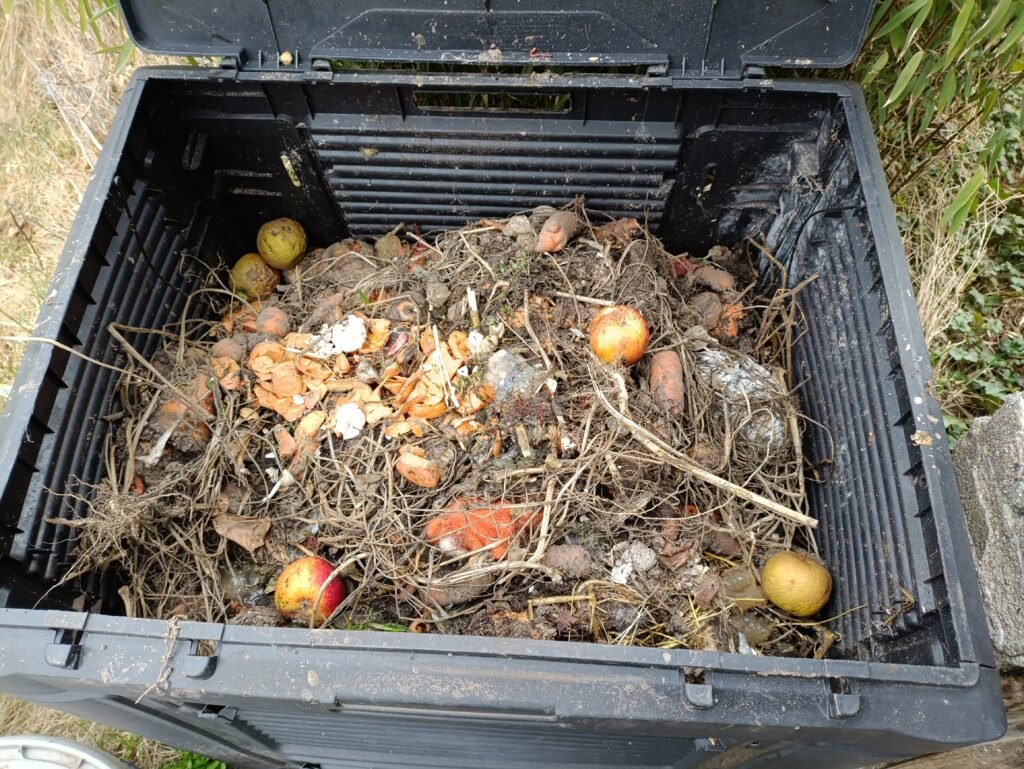
Our kitchen waste and small parts of the garden waste, which does not contain many seeds, go into a composter that we inherited from our predecessors. We don't pay much attention to correct filling here because we usually don't use this material directly, but rather as a starter for the next stage.

img 20260321 150133

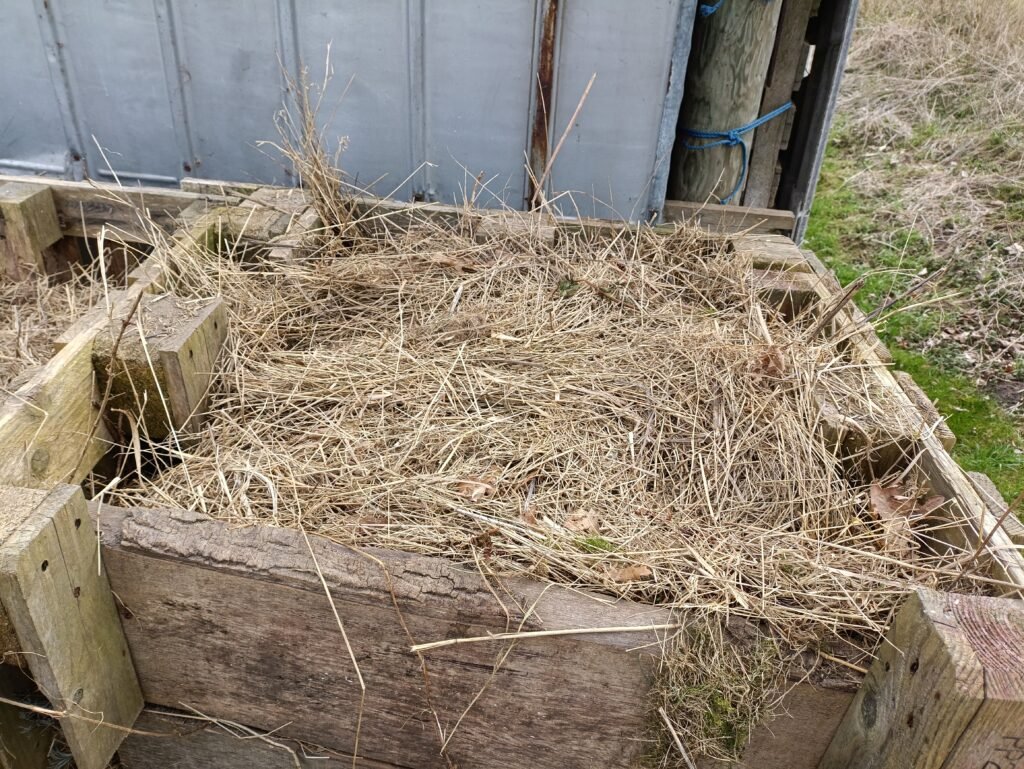
The majority of our garden waste ends up in self-made pallet bins. Since we don't water these and the bins are open at the top, it takes quite a long time for the coarse material to break down. After that, however, the compost is nice and loose. We mainly use this compost around our planted fruit trees in the fruit garden to improve the soil a bit and suppress the growth of grasses, etc., under the layer of compost.

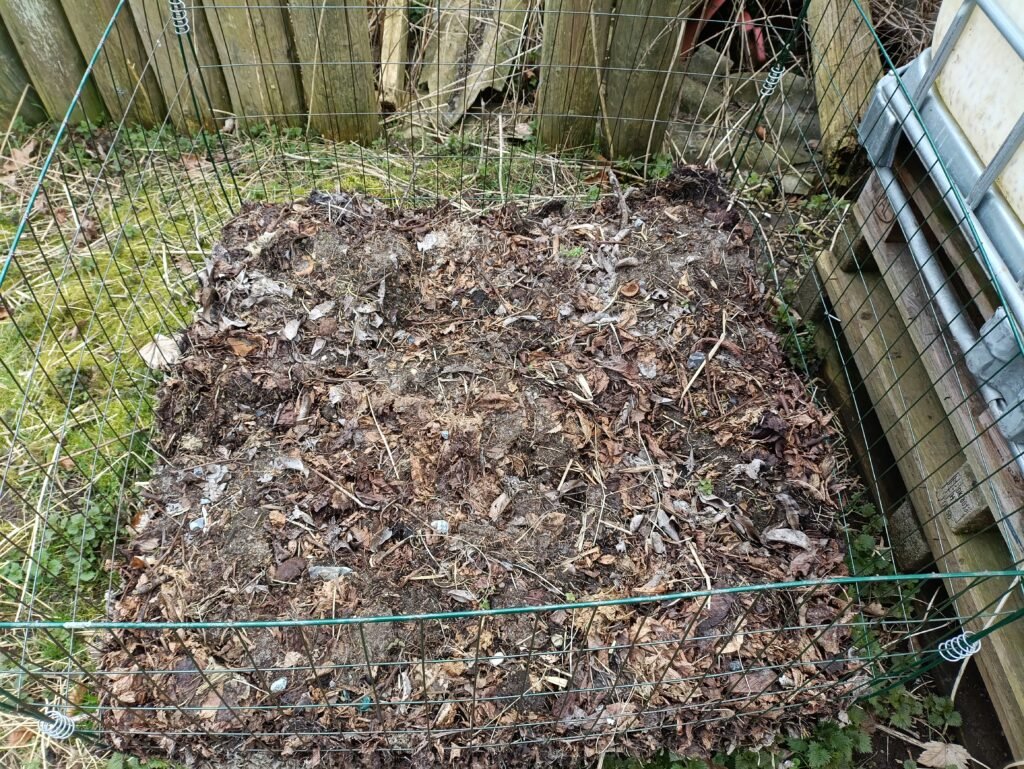
I use leaf compost for mixing my seed-starting soil. I rake up the leaves in autumn and pile them into one of the compost bins. They stay in there for at least a year. After that, the collapsed mass is moved into a small wire bin so that the large bin is free again. The material stays in the wire bin for another year before it is sifted. In the post from February 26, 2026, I describe how the potting soil is mixed.

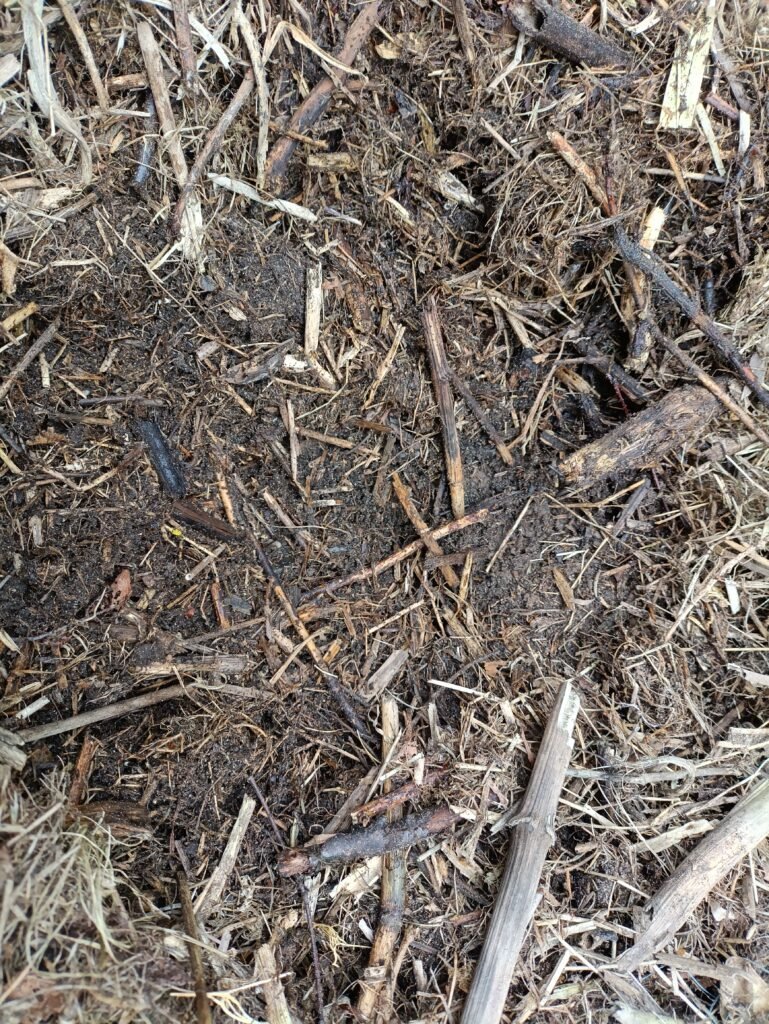
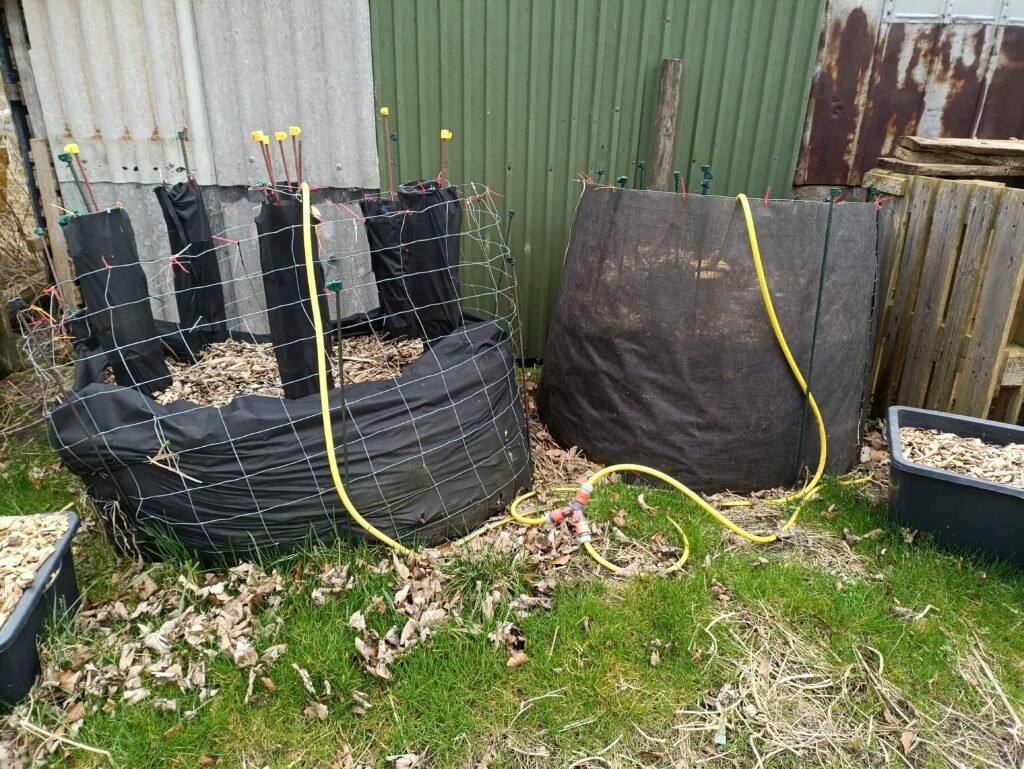
Last year in May, we started a new method of composting based on the so-called „Johnson-Su“ compost, though slightly simplified. Here, air is supplied through tubes, and the material is sprinkled with water daily. This is intended to promote a large number of beneficial microorganisms over a period of at least one year.

img 20260321 145806

The Johnson-Su goes with garden waste, old straw and hay, as well as kitchen compost and compost from our pallet boxes that has not yet completely decomposed. Actually, almost any organic material can go in there.

18/3/26

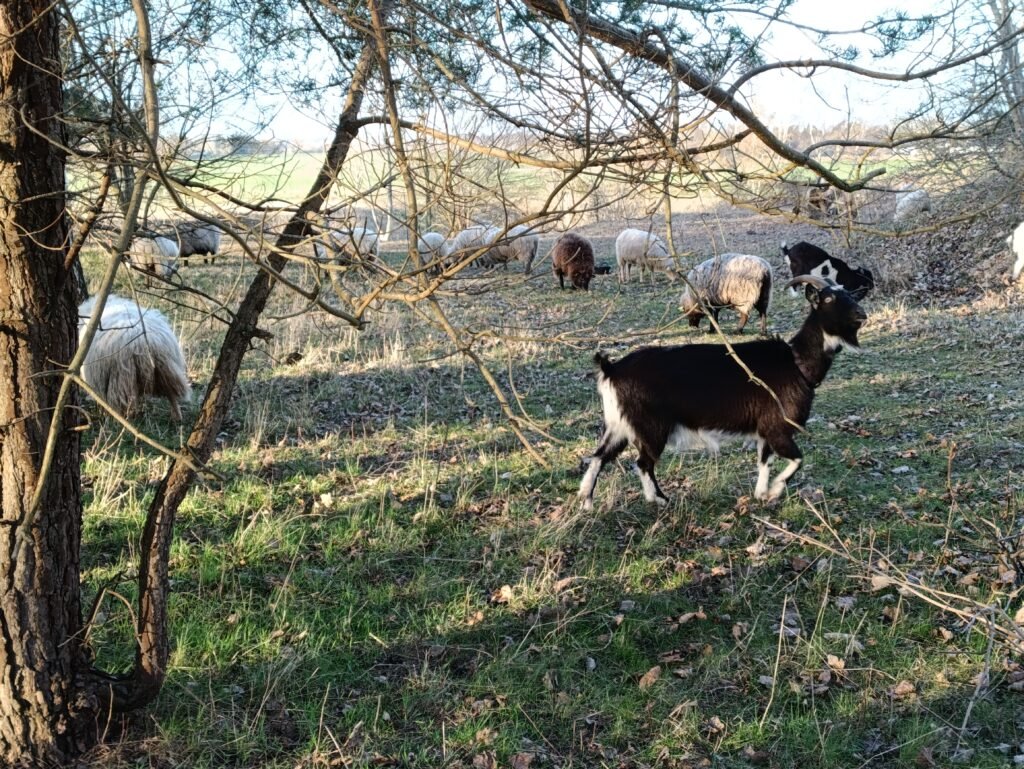
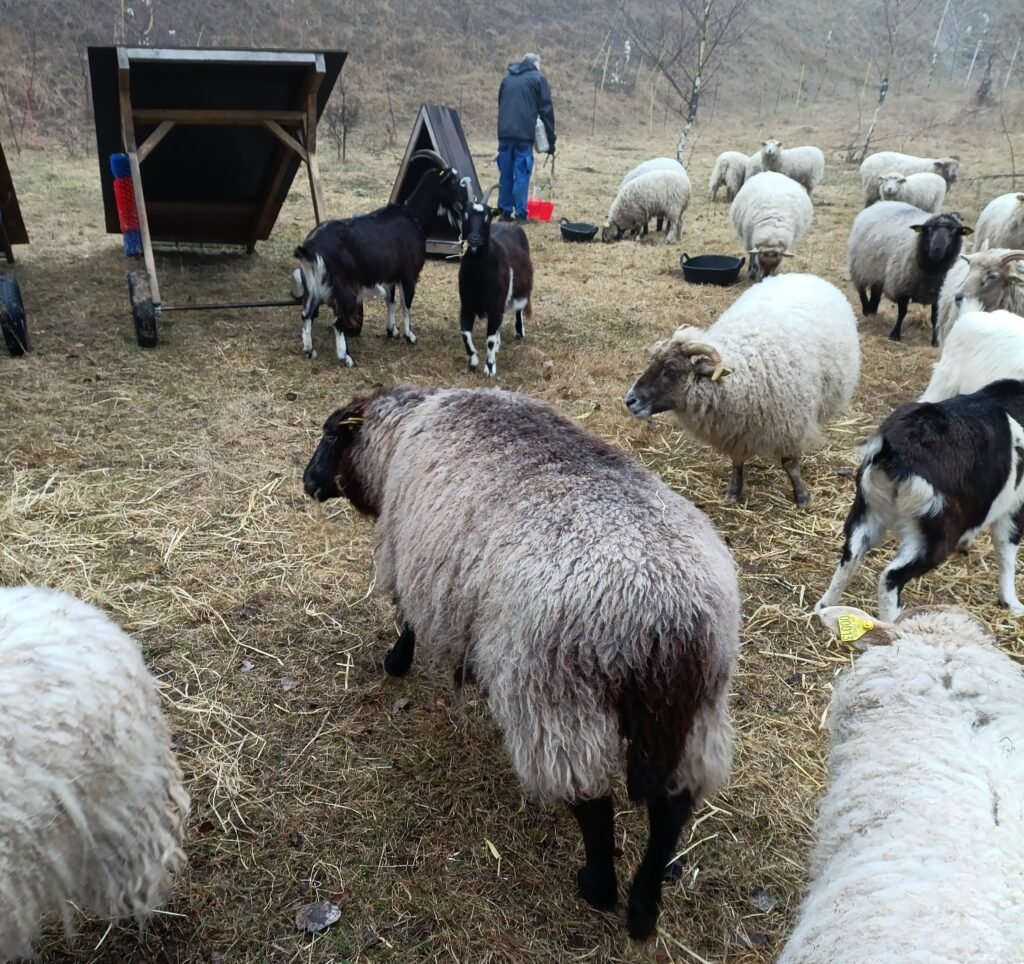
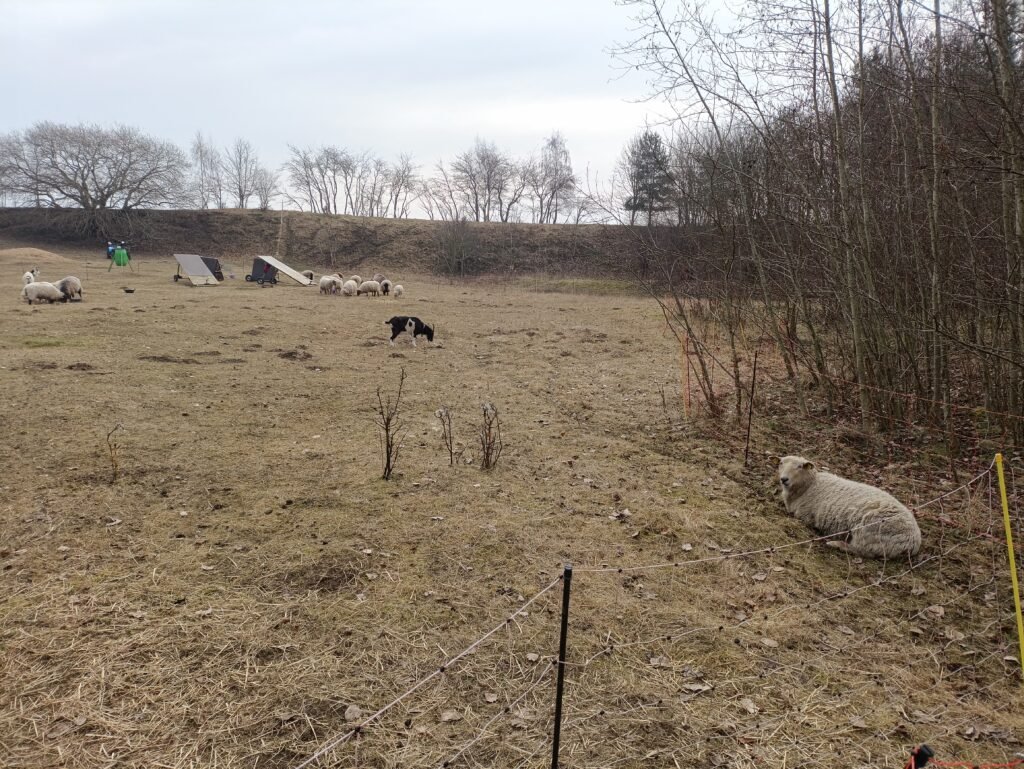
Slowly spring is coming. Two days ago, the sheep and goats completely left the gravel pit and came to a patch of land where a few fresh, green grasses were growing. After being moved, the animals were completely calm there and appeared to graze very contentedly.

By now the tender grasses have been eaten up. Apparently the animals have acquired a taste for it. Today the sheep and goat broke out of their enclosure and feasted in the large field on what was actually supposed to be available for later.

16/3/26

The decision of whether the animals should be moved to a new paddock is not always easy to make. On the one hand, we must keep in mind that the plants have enough time to recover, which is why we must not move the animals too quickly or we must significantly reduce the size of the fenced areas. Especially when plant growth picks up again, they are sensitive to frequent grazing.

In the gravel pit, it didn't look like the growth phase had really started again yet. Therefore, we would have liked to leave the animals there a little longer. Small remnants of grass were still present on the large pasture area.

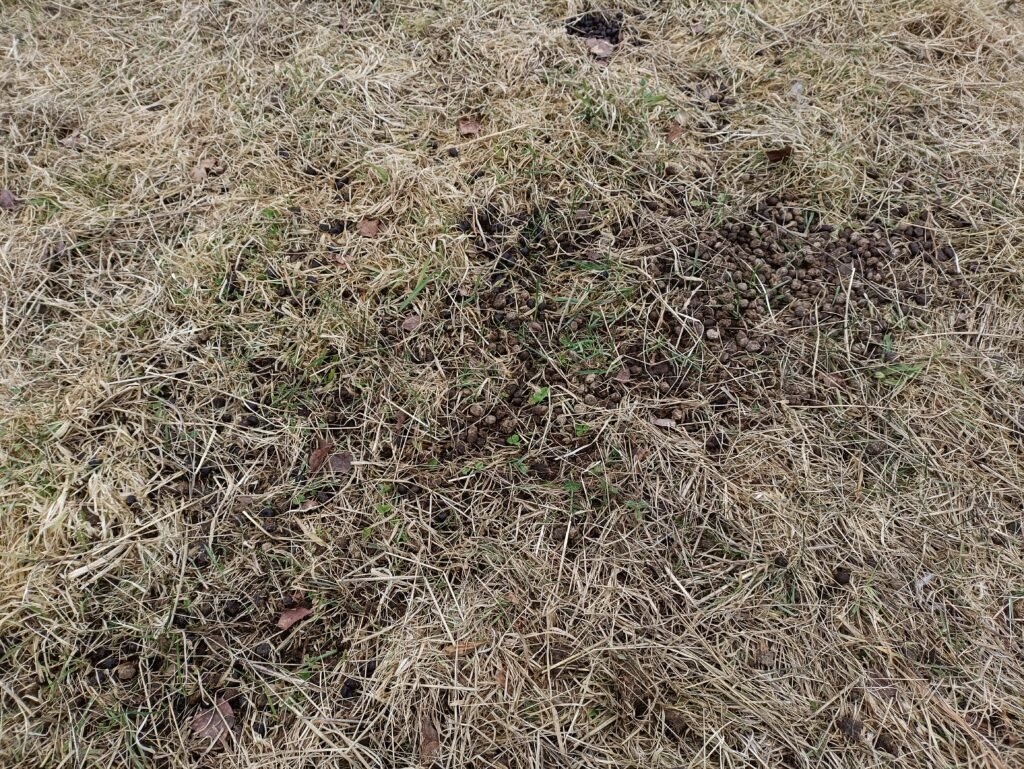
On the other hand, the animals had grazed down almost everything across a large portion of the area, and in places there was plenty of dung on the ground. The animals avoid these areas. Since our hay storage is already severely depleted, we did not want to supplement with whole bales of hay, but only a minimum so that some roughage is definitely available during feeding.

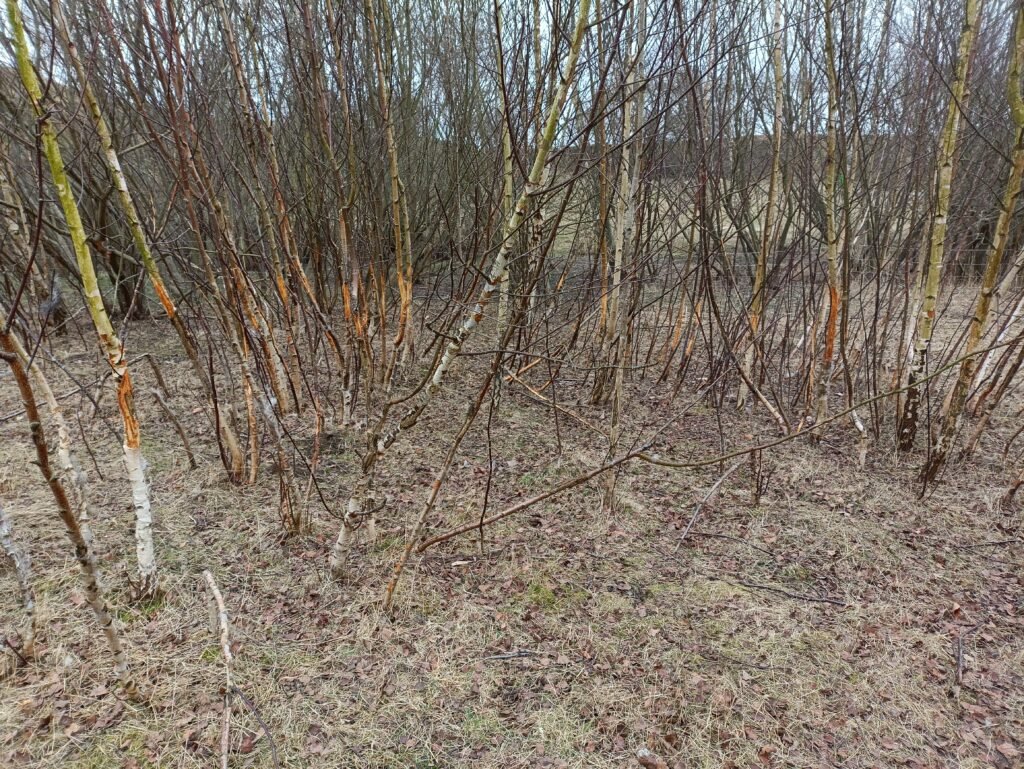
Furthermore, the goats in particular had already damaged a large portion of the trees, and the chances of survival for these trees were decreasing with each passing day. Therefore, we decided to move the animals to the next section.

10/3/26

Slowly, the first signs are appearing that our sheep and goats are pregnant. This is especially difficult to tell with the sheep.
Many already look very rounded, but this can also be due to their thick fur.  

Chocolate
Schoki in March 2026

Last year Schnauzi, our oldest lamb from the year before that, had grown very wide, but did not give birth to a lamb. 

Schnauzi
Schnauzi in March 2025

In addition, the animals drink significantly more, even though the temperatures this year have not exceeded 14°C so far.
Today we even had frost again. While only 10-20 liters were drunk during the winter months, 60 liters are currently being consumed.

Another sign that may indicate an impending birth is that sheep isolate themselves from the flock.
However, this can also happen for other reasons.

Schlacksi
Schlacksi is taking some time off

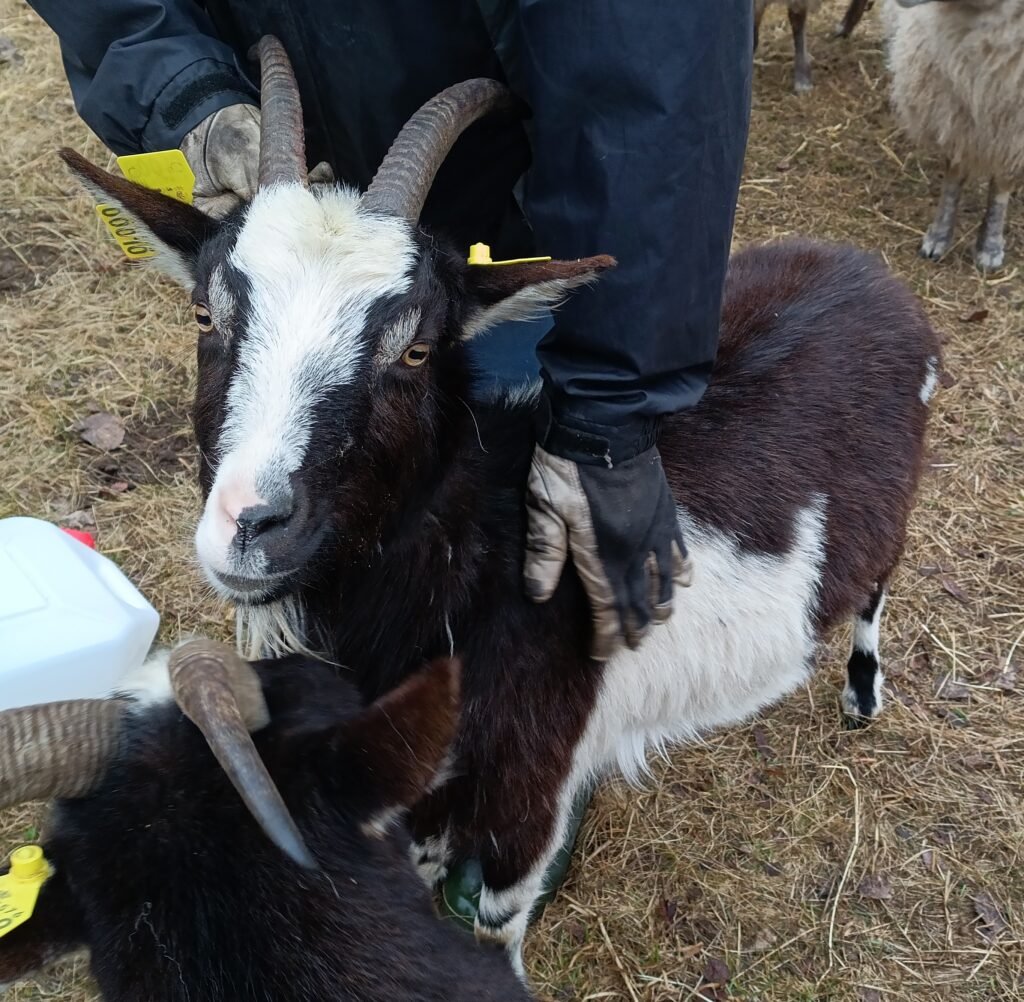
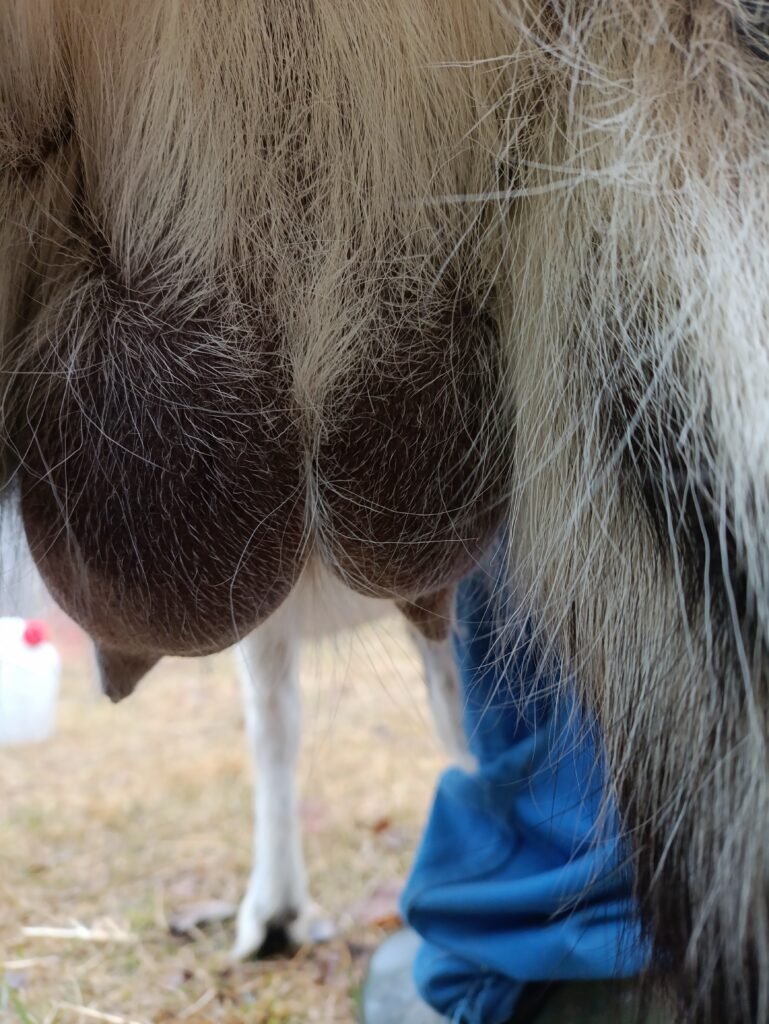
In the case of Splitti, one of our two goats who have been put with a buck for the first time since reaching sexual maturity, you can now clearly see that her udder has enlarged. In this case, we are quite sure that she is pregnant. 

There is also the option of confirming pregnancy with an ultrasound examination. However, we have never had this done and fortunately have always had rams or bucks that did their job well. This year we weren't quite sure if everything would go well again because both gentlemen are quite small. But apparently it worked out anyway.

26/2/26

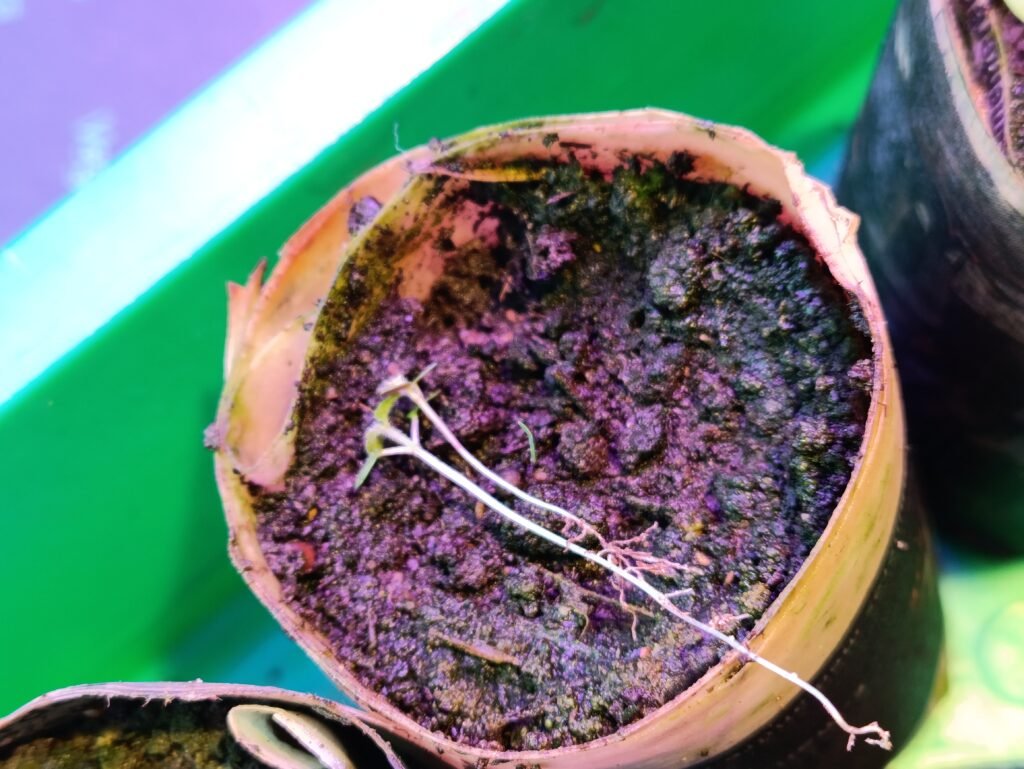
Even though our main focus is on the animals, we try to grow some vegetables in our small greenhouse and kitchen garden. During the frost period in early February, I sowed bell pepper seeds. Since both the topsoil and our sand hill were frozen, the only seed-starting soil I had available was our home-composted leaf mold, which I had roughly sieved back in December. Unfortunately, not a single bell pepper germinated. Instead, various weeds sprouted, and a fine layer of algae is slowly spreading.

e15030de 7950 43a9 97c0 0d269bd00a1c

I didn't heat the leaf compost because I was hoping that many beneficial microbes had colonized it over the last two years.

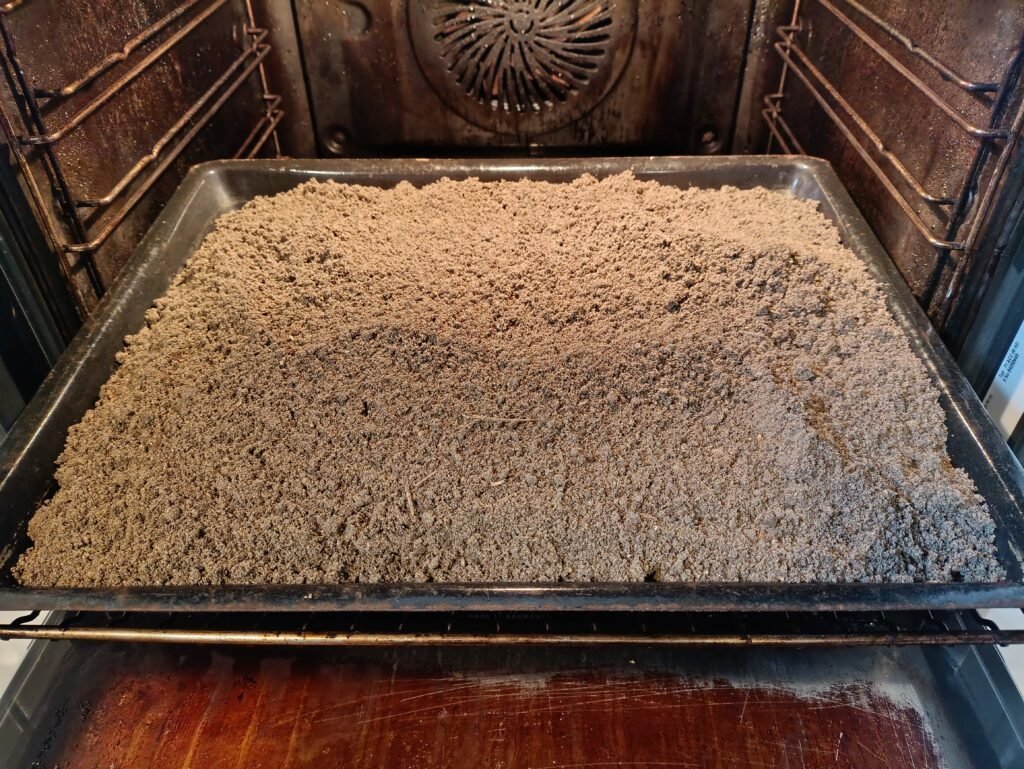
Yesterday I made a second attempt with the pepper seeds. This time the top layer of soil was thawed and I was able to mix the seed starting soil from 1/3 leaf compost, 1/3 molehill soil and 1/3 sand. The mixture then went into the oven at over 100 °C for a good hour, so that probably everything that lived in it was killed.

706855d8 d4a1 4ad2 b563 06c9c72024bf

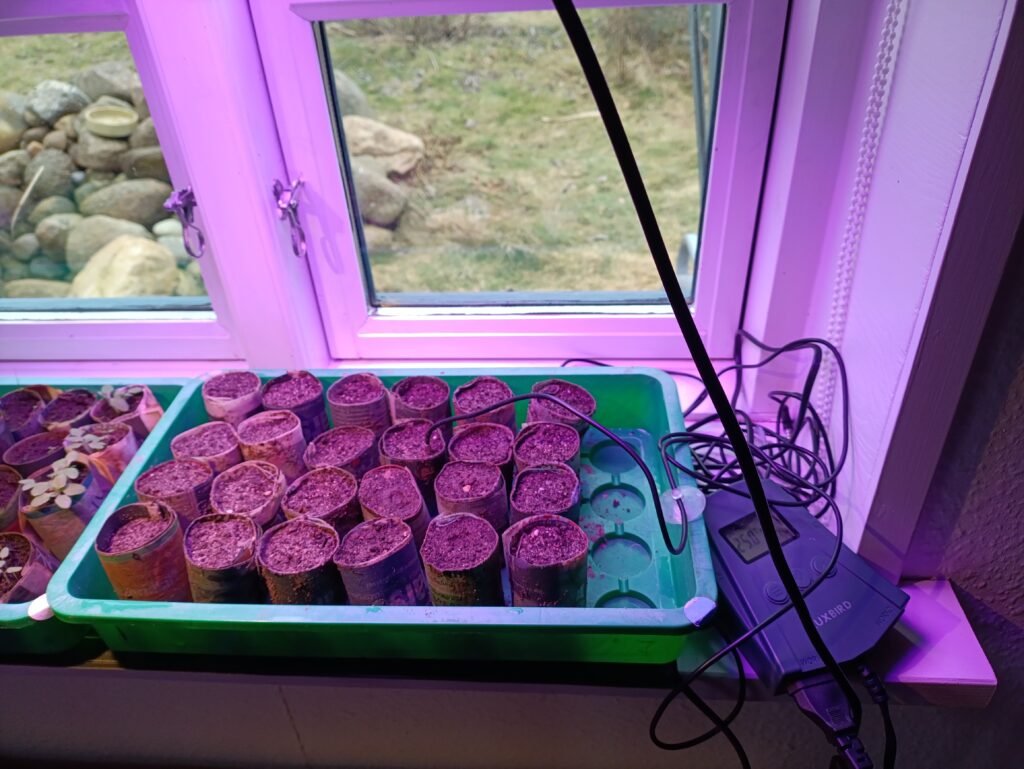
The soil then goes into small paper pots that I make myself with a “Paper Pot Maker”.

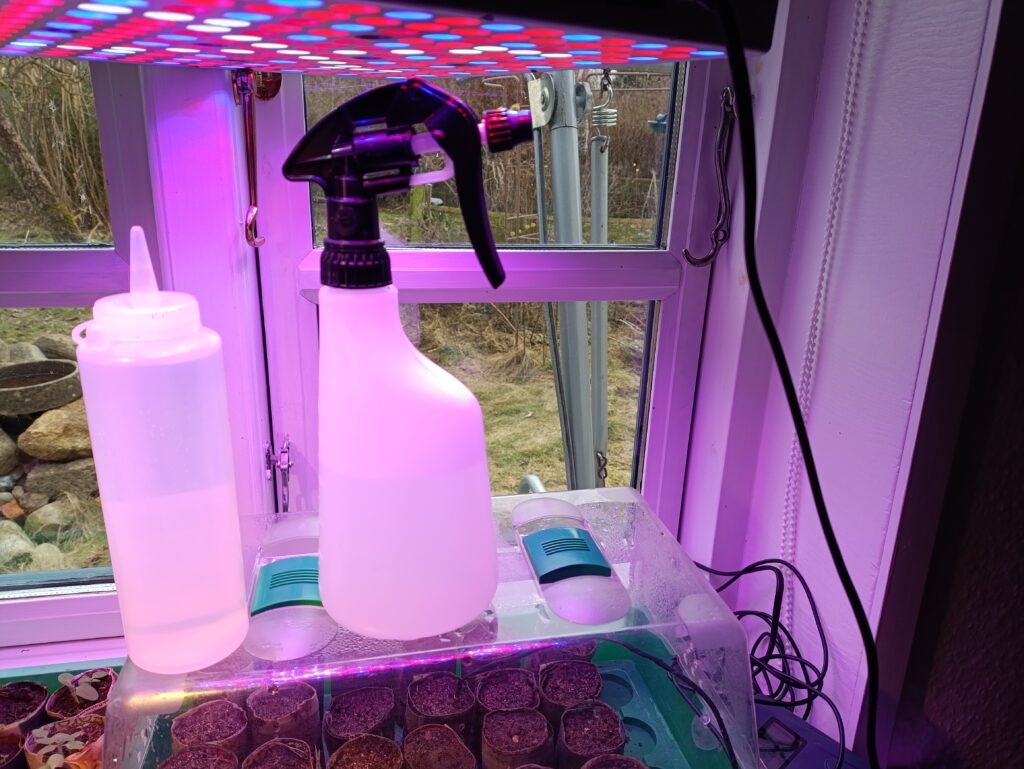
First, it is filled only to just below the upper edge, then the very dry soil is almost saturated with water from the dressing bottle. The seeds are distributed over the slightly sunken soil, and another layer of soil about 1 cm thick is placed on top. This time I moistened this layer only with a spray bottle so that the seeds are not completely wet and do not rot.

The entire mini greenhouse is placed on a heat mat between 22 °C and 25 °C and illuminated with a grow light. The lid is removed for 1-2 hours daily to prevent it from becoming too humid. After aerating, it is misted again.

21/2/26

Until recently, the world was completely white. After being moved, the sheep set upon the few blades of grass. In part, they also used their hooves to scrape away a bit of the snow.

The goats ventured into the deep snow because a few blackberry shoots were too tempting to resist.

The less daring goats set upon the branches of the birches. Unfortunately, they later set upon the bark again. The sheep also want to get a share of the branches and try to profit from the goats' actions.

Last night, a thaw set in and today the world looks completely different. There are no trees on the current plot that we need to worry about, but due to the meltwater, the ground is very wet and there is a risk that grazing will cause more severe hoof damage and weaken the vegetation. Therefore, we will move the animals faster than originally planned.

img 20260221 150346 scaled

Scroll to Top