13/2/26

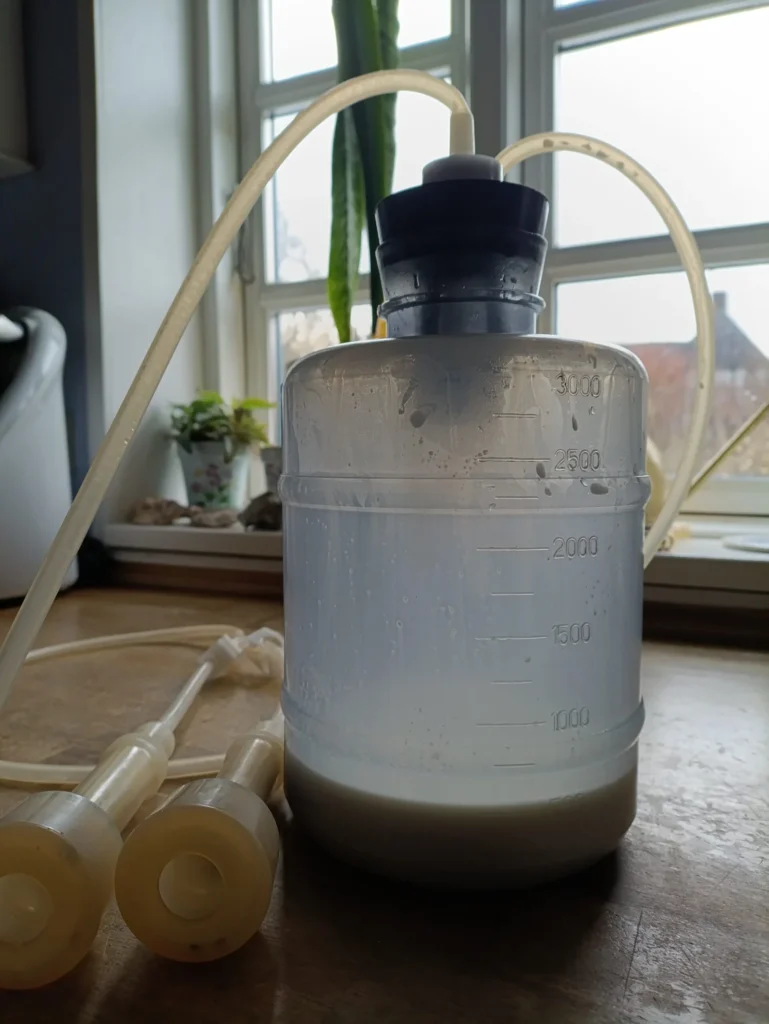
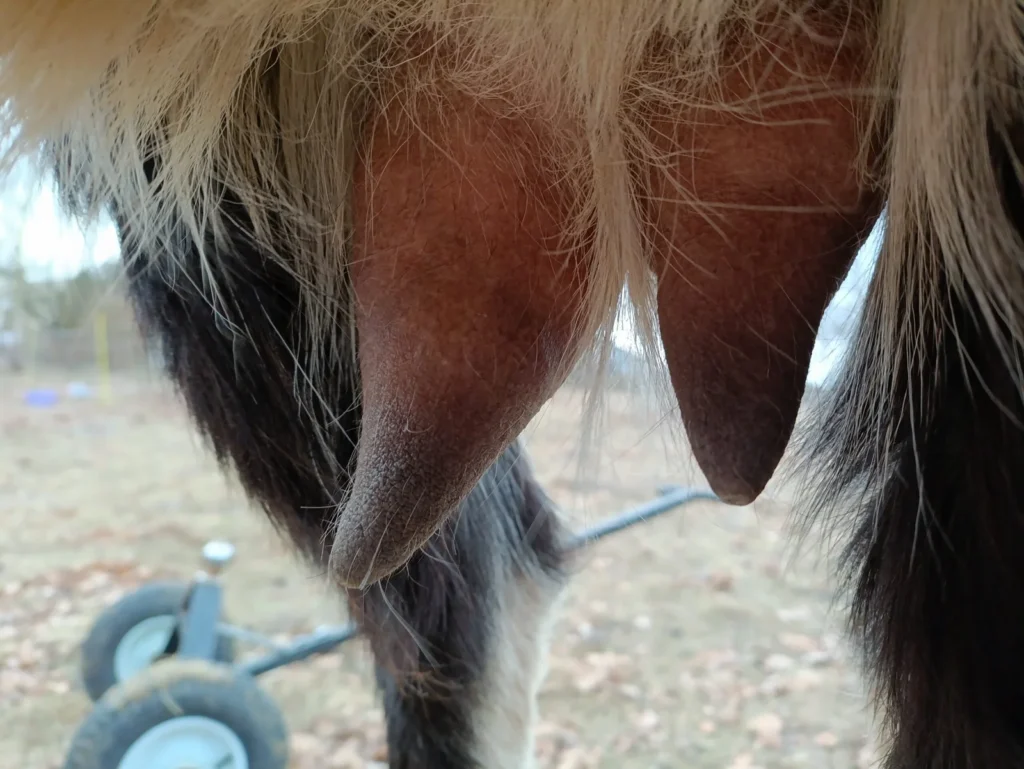
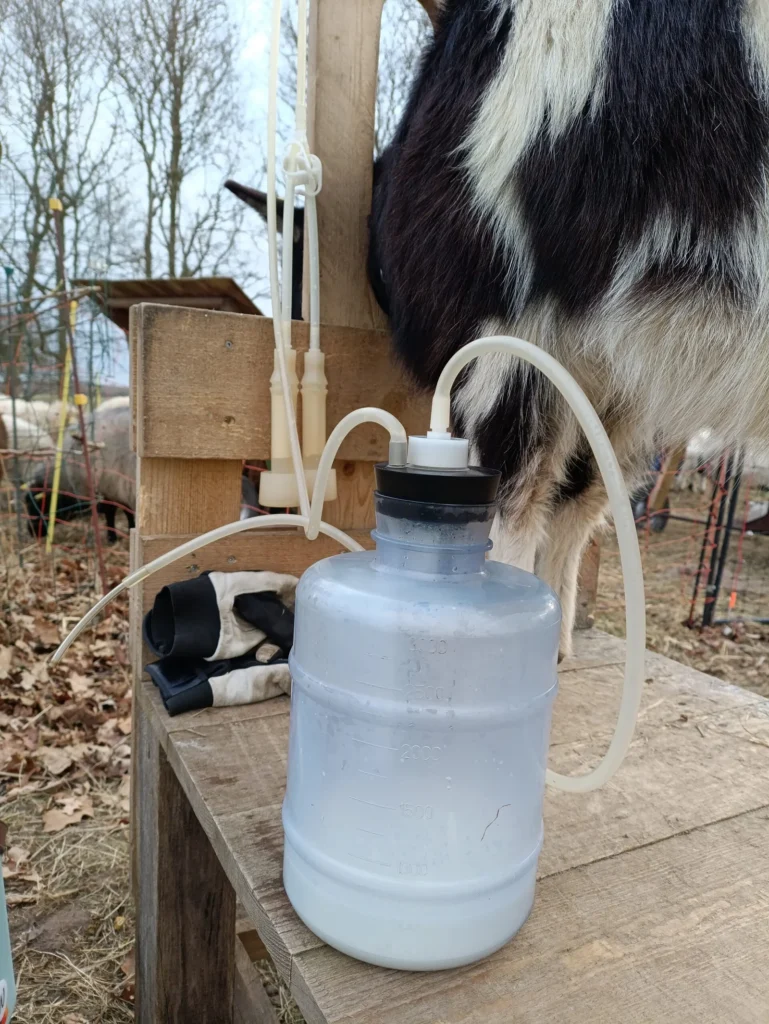
Yesterday I milked for the last time. I had actually planned to stop in five days. We don't milk the first two or three streams into the bottle, because too many bacteria can accumulate in them. Besides, you can see the milk's consistency. In Bulette's case, yesterday mostly a thick, creamy substance came out. Her udder was also noticeably smaller.
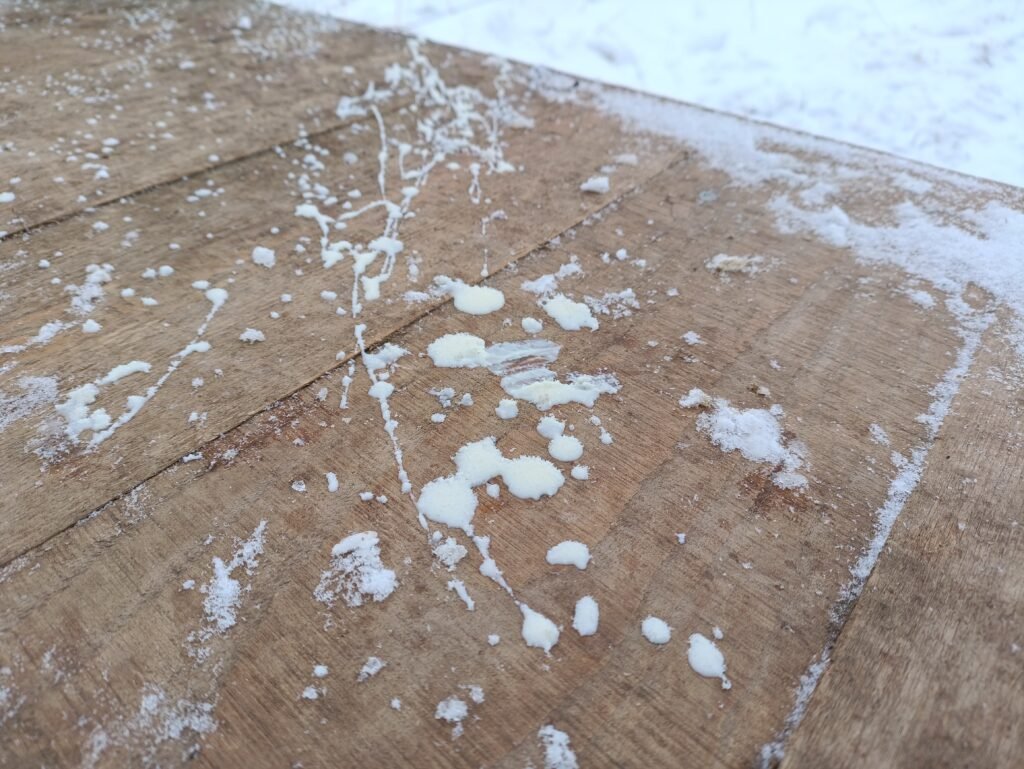
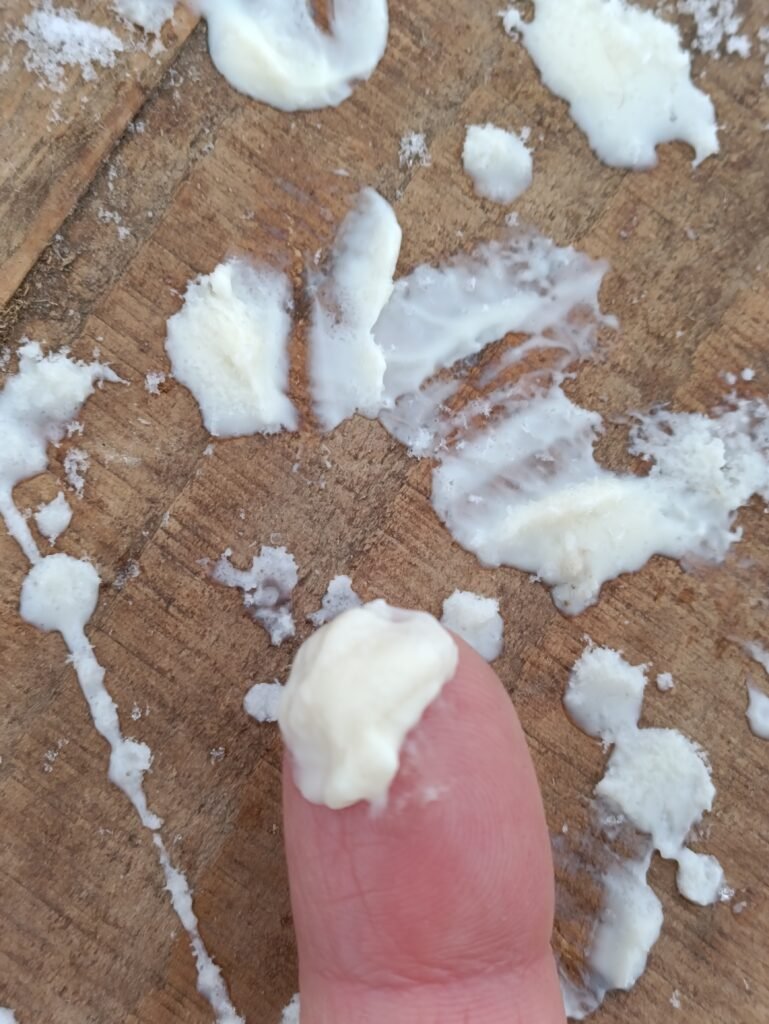
I only gave Anna another minute with the milking machine, but she only produced 150 ml. Her udder wasn't very full either. So I decided not to intervene further. I think Anna and Bulette will stop producing milk. Now we just hope they're both pregnant and that we'll have goat kids in about two months.

Annas' milk also has a much thicker consistency. Apparently, the process by which fluid is absorbed into the udder has already begun. In that context, the proportion of antibodies is said to increase. Therefore, I will no longer use the milk.
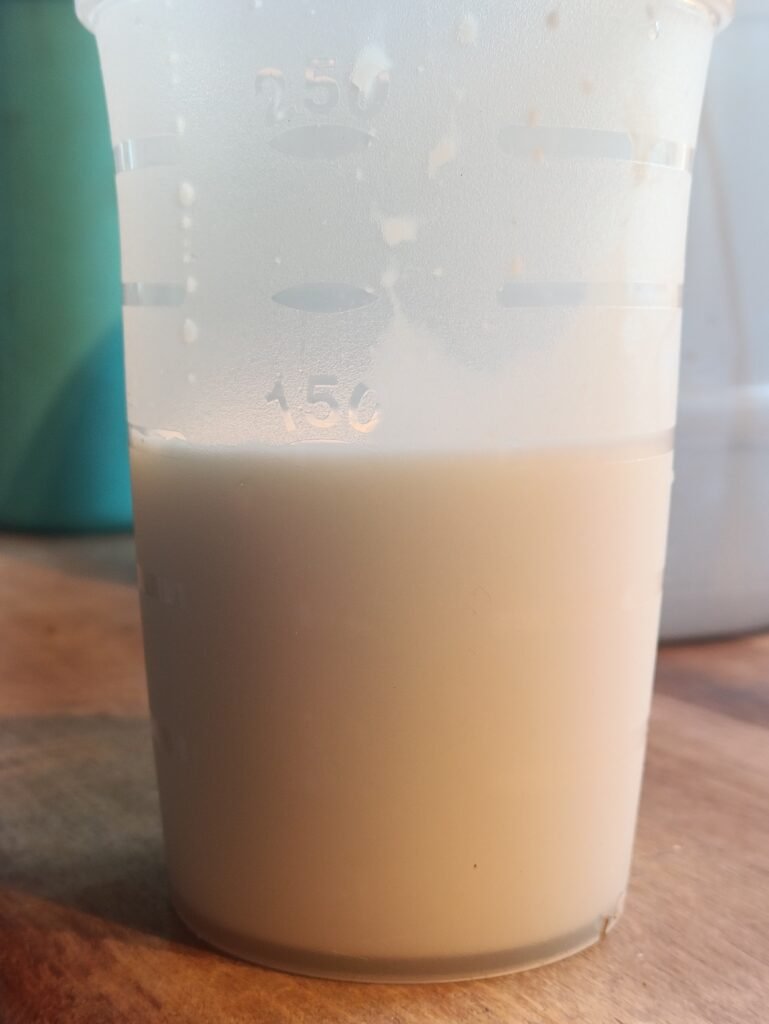
milk

I wiped the ganglion cyst out four days ago. By then the milk was already pretty thick. Maybe I could have stopped at that point.
30/1/26

It hasn't worked as well to dry off the goats as I had imagined. After I stopped the evening milking, milk production from our two milking goats fell from a total of 750 ml per day to 700 ml. The milk yield stalled.

img 20260131 102829 scaled

Another step to reduce milk production was to milk using the machine and not to help manually. That reduced the milk volume to about 600 ml. At the moment I milk each goat for only one minute with the machine, and in total about 500 ml of milk comes out.

As a final step, I will no longer milk every day and will increase the intervals between milking sessions. The supplement of pellets at milking is also reduced with immediate effect. No later than two weeks from now, I will stop milking.

16/1/26

You milk them even in winter. The goats have been milked twice a day since May 2024 (i.e., for 20 months). But lately it's hardly been worth milking in the evening. We didn't get more than a quarter liter. In the morning we get about half a liter.

small ball

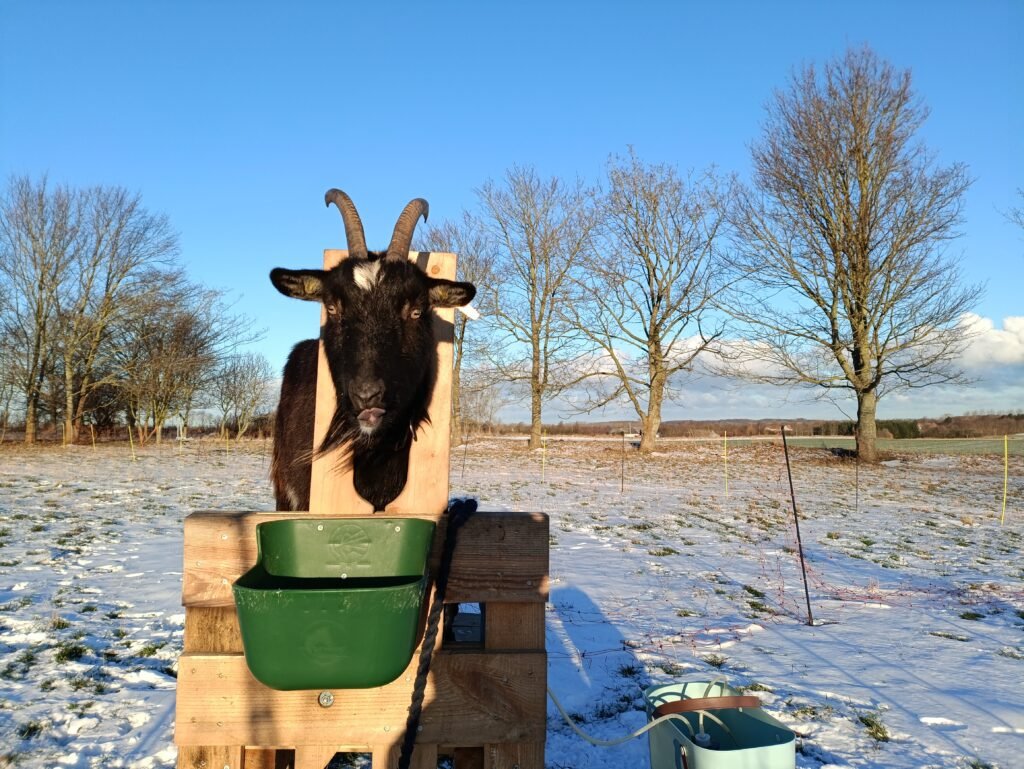
Today I skipped the evening milking for the first time and now only milk in the morning. Gradually, milk production in the udder will decrease. If all goes well, I can stop milking altogether in early February. We hope that Anna and Bulette, our two milking goats, are pregnant, so they'll need at least two months to recover a bit and regain their strength.

Anna

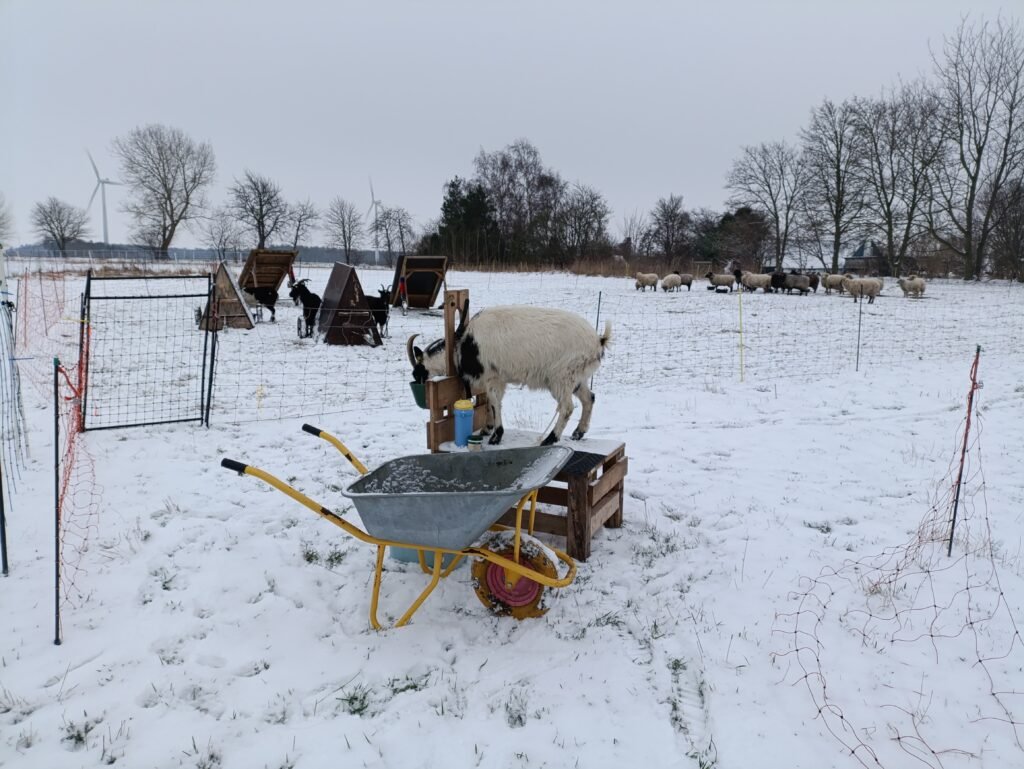
The goats are Danish landrace goats and so robust that they can be kept outside year-round. However, they don't like rain and strong winds very much, so they hide in the small shelters, which we try to place according to the wind direction. The goats also need hay and straw to keep warm. On very cold days, they shiver all over their bodies when we bring the feed.

Certificate of Eligibility

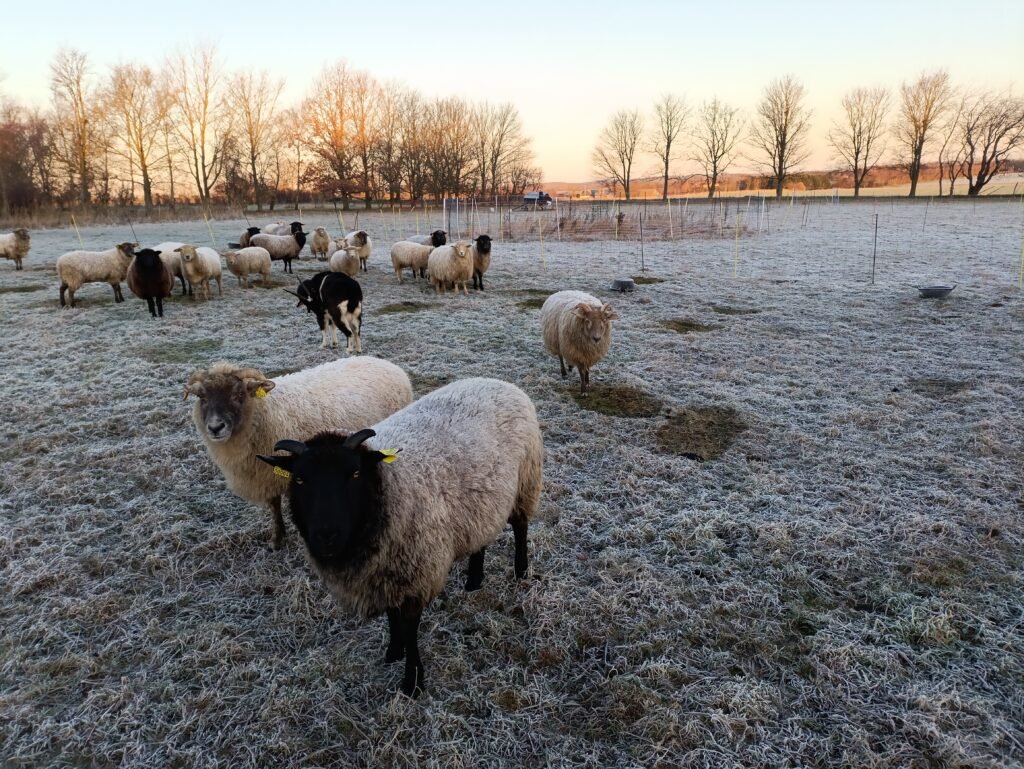
The Ertebølle sheep are even more insensitive than the goats. In freezing weather they have lain scattered across the pasture overnight, thawing the frozen grass mat a bit. Four years ago we had a severe storm and drove the sheep into the open barn. They didn't like that, though, and they quickly wanted to return to their cold pasture.

Scroll to Top